request to quote
Leave Your Message

Blog

Top 10 Factors for Choosing the Right Cold Plunge Capacity

Top 10 Factors for Choosing the Right Cold Plunge Capacity

Okay, so here's the thing about picking a cold plunge – it really boils down to one practical question: who's going to be using it, and how often? If it's just you hopping in solo, you don't need a huge tank. But if the whole family's planning to take turns every day, that's a whole different story. And honestly, the size difference doesn't just affect how comfy you feel. It changes everything – the footprint, how long it takes to fill, how much you're fussing over water care, and what it'll cost you in the long run. So before you commit, measure the space you have – and don't forget to leave room for actually getting in and out! Then, once you've got that sorted, check the manufacturer's usable water volume, not just the external dimensions. That's where the real capacity lies. So, according to the Global Wellness Institute's 2024 report, the global wellness economy was worth a whopping $6.3 trillion back in 2023. Now, that number covers a whole lot of ground—it's not just about cold plunges or things that actually work. But still, with that kind of money floating around, you'd think buyers would deserve some straight answers when they're picking products. You've probably heard of Wim Hof, the cold-exposure guy, always saying, 'The cold is my warm friend.' It sounds great, but it doesn't really tell you how much water you need at home, does it? Honestly? That part takes some real planning, you know. So, this guide walks you through ten things to think about—like how many people will actually use it, how often you’ll soak, plus the nitty-gritty like filtering, keeping it clean, and where you’ve got room to put it. A smaller tub might be perfect if it’s just you, but if you’re planning to share, a bigger one makes sense—though it’ll guzzle more water and take up more space. Honestly, there’s no one-size-fits-all here. If I were to guess my own ideal size without measuring the doorway first—or checking how easy refilling would be—I’d probably get it wrong. But when you find the right one, it’s not just a tub; it’s a little slice of comfort and class right in your own backyard. Honestly, that can totally lift your everyday vibe.You know what? You can have elegance right in your own backyard – and honestly, it's a total game-changer for your lifestyle. Seriously, who wouldn't want that?
Read more »
Sophia By:Sophia - November 4, 2026
How to Choose the Right Cold Plunge Capacity in 2026?

How to Choose the Right Cold Plunge Capacity in 2026?

Honestly, picking the right cold plunge isn’t just about squeezing a tub into your yard. It’s more about matching the water volume, the interior space, and the cooling power to the actual people who’ll be using it. A compact plunge might be perfect if it’s just you and a narrow patio. But if you want two people to use it comfortably, you’ll need a bigger model — which also means more water, more floor space, and more time to cool down. So it’s a bit of a trade-off. Okay, so before you get too excited about how a tub looks in pictures, actually check the interior dimensions—not just the outside measurements. Sit in it, stretch your legs out, and think about whether you'd want to sit upright or recline. Then, and this is the boring but important part, look at the filled weight, the chiller capacity, and what the manufacturer says about user limits. Little things can catch you off guard. Seriously, a tub that looks roomy in a product photo can feel super cramped once you're actually in it. So yeah, bigger doesn't always mean better. Wim Hof, the guy known for cold exposure, often says, “The cold is your warm friend.” And honestly, that’s more about mindset than about finding the perfect tub size. What works best for you really depends on how comfortable you are, how much space you have, and how often you think you’ll actually use it. A bit of uncertainty is totally normal—your needs might change, and dimensions on paper can’t tell you what a plunge will feel like in person. So compare specs closely, and don’t be shy about asking the seller about returns and maintenance before you commit. You know, finding the right model really makes a difference. It brings comfort and elegance right in your own backyard—and honestly, it just elevates your whole lifestyle.
Read more »
Olivia By:Olivia - November 3, 2026
What Is a Commercial Cold Plunge System?

What Is a Commercial Cold Plunge System?

Let’s be real—a commercial cold plunge isn’t just a big tub you fill with cold water. There’s actually a lot going on behind the scenes: an insulated basin, a cooling unit, circulation, filtration, and controls, all built to handle repeated use. So when you’re at a busy studio, hotel, or recovery spot, that equipment is quietly doing its job. All you see is the simple stuff—clear water, a steady temperature on the display, and a clean deck waiting for the next person. Wim Hof, the cold-exposure guy, is the one behind that saying, “The cold is your warm friend.” It sounds great—but honestly, running a shared cold plunge takes more than just hype. You’ve got to think about capacity, cleaning routines, keeping the temperature steady, noise, drainage, and making sure people can actually get in there to service it. Little details make a big difference. For example, if the filter is a pain to reach, that routine maintenance is probably going to slide. Honestly, when you’re looking at a commercial cold plunge, the looks matter, sure—but dependable operation and clear guidance deserve just as much attention. Alright, let's talk commercial cold plunge systems. This guide walks you through the main equipment options, the installation stuff you'll need to think about, and what it's actually like dealing with these things day to day. It's really meant for operators who are comparing different systems — not someone hoping there's one perfect setup that works everywhere. A compact recovery room and a high-traffic wellness club? They've got totally different demands. Honestly, there's no perfect system out there. You can plan everything down to the last detail and still miss some practical little thing, so your actual site conditions and how much maintenance you can realistically handle should be what shapes the final call.
Read more »
Alexander By:Alexander - November 2, 2026
7 Tips on How to Choose a Commercial Ice Bath Tub?

7 Tips on How to Choose a Commercial Ice Bath Tub?

Picking a commercial ice bath isn't just about how cold you can get the water. Honestly, it’s about matching things like size, cooling power, sanitation, and service to what you’ll actually be dealing with day in and day out. A tub in a busy recovery studio is going to have way different needs than one in a small training room, right? So before you get too deep into the specs, ask yourself: who’s using it, how often, and who’s stuck cleaning the thing? So Alex Morgan—he’s a consultant who works with commercial recovery equipment—puts it about as simply as you can get: “Go with something that works reliably every day, not the one with the flashiest spec sheet.” Honestly, that mindset is a solid reality check. You want to look at the actual usable space inside the tub, how the filtration handles water, temp controls, drainage, insulation, warranty—the whole package. And here’s a good trick: imagine someone having to swap out the filter at the end of a long shift. If that routine chore feels like a pain just thinking about it, it’s probably going to be a pain in real life too. Just because something has a lower price tag doesn't mean it's actually cheaper in the long run—maintenance costs can sneak up on you. So yeah, make sure you're looking at the full operating picture, not just the sticker price. Alright, so if you're trying to figure out how to choose a commercial ice bath tub, this guide walks you through seven things worth checking—everything from build quality to what kind of after-sales support you're actually going to get. We also touch on how something like an Ice Bath Machine Ice Bath Cold Plunge setup might fit into different types of facilities. Honestly, there's no one-size-fits-all option for every business. Look, it's easy to get swept up by a shiny showroom display. But specs? You really need to dig into them—and don't just take the supplier's word for it. Verify before you buy. That glossy machine might look great on day one, but it won't tell you how it holds up after months of real, everyday use. And honestly, the small details are what make or break a purchase. The right fit isn't just about features—it needs to suit your actual users, your space, and how much time your team can realistically spend on upkeep.
Read more »
Alexander By:Alexander - October 31, 2026
China Top 10 Wooden Cold Plunge Tub Suppliers for Spas

China Top 10 Wooden Cold Plunge Tub Suppliers for Spas

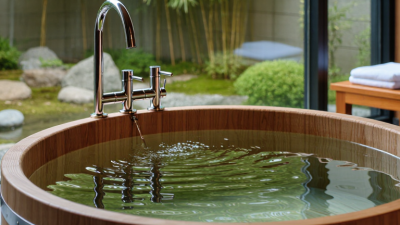
You know what truly separates a luxury spa from the rest? It's those tiny, tangible details – the feel of the wood grain under your hand, the faint trickle of water, that first crisp breath when you step into the cold plunge. A wooden cold plunge tub, especially one meant for upscale wellness spaces, can bring a lovely warmth and natural texture to a treatment room, a garden, or even a private recovery suite. And sure, aesthetics matter, but you can't overlook how it's built and how you'll maintain it day to day. So take a close look at the wood species, the quality of the joints, what the inner liner is made of, insulation, drainage, and definitely the clarity of the maintenance instructions. That's where the rubber meets the road. Honestly, it's those little details that make all the difference. They shape the guest experience, sure, but they also dictate how much work the operator ends up doing. You know, Wim Hof, the cold-exposure guy, is famous for saying, “The cold is your friend.” But honestly, that’s more about getting your head in the right place than promising you’ll never get sick. A good spa, though, should be way more careful than just dropping you in an ice bath. They need to walk you through the whole routine, think about how comfortable you actually are, train their staff properly, and pay attention to what each person can handle. Fancy tubs look cool, but they don’t mean squat if the whole thing isn’t run thoughtfully. Honestly, you can't just swap a Wellness Hot Tub for a cold plunge – they're not interchangeable at all. Each one has its own place in a wellness routine. So, I put together this guide that walks you through ten China-based suppliers if you're shopping around for wooden cold plunge tubs. Keep in mind, it's just a starting point—definitely not a certification or a stamp of approval. You'll want to take their claims with a grain of salt and do your own digging. Ask them for up-to-date specs, real photos of actual installations (not just renderings), detailed instructions on how to care for the wood, and don't forget to clarify customization options and what happens after the sale if something goes wrong. If you can, try to get your hands on a sample or visit a completed setup before you commit—it's a big purchase, so it's worth being thorough. You know, wood can age beautifully – I mean, it looks great over time – but it's not exactly maintenance-free. So you've got to weigh that trade-off, don't you think?
Read more »
Olivia By:Olivia - October 30, 2026
What Is a Stainless Steel Cold Plunge Tub Buying Guide?

What Is a Stainless Steel Cold Plunge Tub Buying Guide?

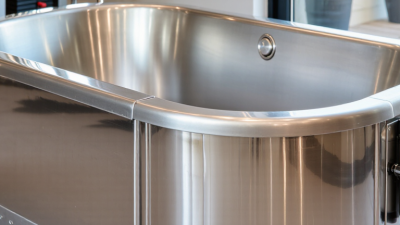
Okay, so you're thinking about getting a cold plunge tub? Well, picking the right one is more than just falling for that polished metal and minimalist look. I mean, those are nice, but there's a lot more to consider. That's exactly what this Stainless Steel Cold Plunge Tub buying guide is for—it dives into all the little things that affect comfort, durability, hygiene, and what you'll have to deal with on a daily basis. So, here's the thing: a well-made stainless steel cold plunge tub? It's got to resist corrosion, keep the water at a stable temperature, and fit safely in the area you've got for it. And the inside should feel totally smooth – clean welds, no sharp edges, you know? Honestly, it's those little details that really matter. So, this guide is really built around what you actually deal with when you're picking a tub—practical stuff like how it performs, what the manufacturer claims, and the usual installation headaches. We dig into things like steel grade, insulation, how well it cools, drainage, filtration, electrical needs, and, of course, the warranty. But it's not just about the tub in isolation—we also look at how it fits into real spaces, like next to your home gym, out on a covered patio, or in a tiny wellness nook. And here's a big one: before you even think about ordering, you've gotta measure your doorways, check the floor's strength, and make sure you've got room for service access. Trust me, that part saves you a ton of grief later. You know, having a super powerful chiller is all well and good, but if it's a real pain to keep it maintained, then that power kind of counts for nothing, doesn't it? Look, safety isn't something you want to skimp on. Water and electricity, for instance—those really need a pro to handle, plus you gotta read the instructions carefully, no shortcuts. And hey, don't forget about your own health. If you've got any conditions that might matter, it's worth checking with a doctor before you dive in. Now, here's the thing: no tub is perfect, right? A tempting low price might catch your eye, but if the insulation's weak, you'll end up paying more on energy bills and scrubbing away more time than you'd like. Even those fancy finishes can get scratched if you treat them roughly. So the whole point of this guide is to help you weigh things realistically, not jump into a rushed decision. Take a breath, compare what really counts, and you'll be better off. Honestly, the best pick isn't just about looks. You've gotta weigh the materials, how well it cools, whether it's comfy, and the kind of after-sales support you're getting. Plus, don't forget how much time you can actually spare for upkeep. That might sound a bit dry compared to fancy ads, but trust me, it leads to a way more dependable cold-plunge routine in the long run.
Read more »
Sophia By:Sophia - October 28, 2026
2026 Wood Fired Sauna Buying Guide What Should Buyers Know?

2026 Wood Fired Sauna Buying Guide What Should Buyers Know?

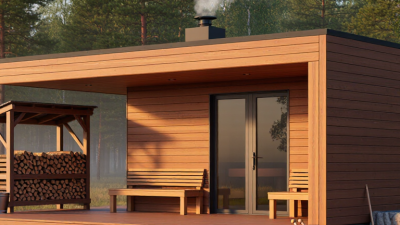
So you're thinking about getting a wood-fired sauna in 2026? Honestly, it's about more than just scrolling through pretty photos and comparing price tags. You really need to dig into heat performance, build quality, airflow, where you're going to keep the firewood, and what installation will actually involve before you commit. Because trust me — a gorgeous cedar cabin can still end up being a huge letdown if the stove doesn't match the space. Alright, so if you're building or buying a sauna, the stuff that really matters is how it feels to actually use it every day. People who build saunas for a living will tell you to pay attention to things like how moisture-resistant the wood is, how thick the insulation is, whether the door seals properly, how high the benches sit, and what the chimney setup looks like. Honestly, these little details make a big difference—they affect how comfortable the sauna is, how quickly it heats up, how much energy it gobbles, and how much upkeep you're looking at down the road. And before you commit, double-check that the stove has the proper safety documentation, and that the installation actually meets your local building and fire codes. Don't be shy about asking for clear specs, either. Honestly? It's the little details that matter. They really do. You know, a good seller ought to walk you through the materials, what the warranty actually covers, where to find replacement parts, and how to use the sauna properly – none of that vague 'trust me' stuff. Sure, reviews are helpful, but they're often written by people in different climates or with their own quirks, and sometimes they skip over installation details. So you really have to do your own checking. No guide out there is going to cover all the bases. You'd think seasoned buyers would have this stuff down, but they still get caught out by things like delivery access, preparing the foundation, or the surprisingly long time it takes to dry firewood properly. Honestly, picking the right wood-fired sauna isn't just about chasing the highest temperature you can find. You've got to weigh in your household size, how you like to bathe, the space you have, your local climate, and honestly, how much maintenance you're willing to put up with. That's where this 2026 guide comes in – it'll help you compare models with a critical eye, spot the avoidable weak points, and choose a wood-fired sauna that's safe, durable, and actually fits your everyday life.
Read more »
Sophia By:Sophia - October 27, 2026
2026 How to Choose a Custom Cold Plunge Tub Buying Guide

2026 How to Choose a Custom Cold Plunge Tub Buying Guide

Picking a cold plunge isn’t just about grabbing the biggest tub or the lowest price. In 2026, buyers have to compare a few more things — insulation, water circulation, temperature control, how easy it is to get to things for maintenance, and what installation actually requires. That’s where this Custom Cold Plunge Tub Buying Guide comes in: it lays out a practical way to evaluate custom designs before you place an order. Honestly, a good tub should fit you, your space, and how you'll actually use it. Before anything else, measure the floor space you've got, check the doorway width, figure out where the drainage goes, and don't forget the electrical hookup. If it's going in a home gym, a compact plunge might be just right; taller folks may want to look at a deeper model for comfort. And yeah, pay attention to materials too—fiberglass, stainless steel, and sealed wood all clean up differently, hold up differently, and look pretty different too. A Wooden Tub Hot Tub really does have that warm, natural look—but the treatment and moisture control? Those are things you’ll want to look at carefully. You know, cold water still needs to stay clean and consistently managed. So ask the manufacturer about filtration, sanitation, insulation thickness, warranty coverage, and replacement parts. And if you can, test the control panel too. Honestly, it’s the small details that matter. Don’t just go by flashy specs. In real life, you often run into limits the product page never mentions—pump noise, condensation, slow service, stuff like that. And honestly, some of your assumptions may turn out wrong once the thing is installed. Even a premium system can let you down if ventilation is bad or maintenance is a hassle. So look for suppliers who give you clear technical docs, realistic delivery times, and support that actually responds. Getting guidance from qualified installers can really cut down on electrical and drainage risks. This guide is all about what actually works—evidence, practical use, and long-term value—so buyers can choose a custom cold plunge with fewer expensive surprises.
Read more »
Sophia By:Sophia - October 25, 2026
How To Import Cold Plunge Tubs From China?

How To Import Cold Plunge Tubs From China?

So you want to import cold plunge tubs from China? Well, it all starts with evidence—not just pretty factory photos. I mean, sure, China has huge manufacturing capacity, prices can be competitive, and you can get designs customized. But here's the catch: quality can vary a lot, and it's often hidden deep inside the stainless-steel walls, insulation layers, pumps, and control panels. So, the Global Wellness Institute put the global wellness economy at $6.3 trillion back in 2023. And they think it could hit $9 trillion by 2028. McKinsey's Future of Wellness research backs this up too—wellness is now a big priority for consumers. All of that does suggest there’s demand for Cold-Plunge Tubs, sure. But here’s the thing: it doesn’t automatically mean importing them will be profitable. Look, product positioning, shipping costs, certifications, and after-sales service — these things still have a huge say in how well you do commercially. And honestly? The little details matter. Honestly, if you're serious about importing, don't just skim the specs. You'll want to compare things like water-temperature ranges, how fast it cools, filtration systems, electrical ratings, drain designs, how sturdy the packaging is, and whether replacement parts are easy to find. Ask for test reports, production samples, factory videos, and a written quality-control plan. And if you want some extra peace of mind, Intertek, SGS, and TÜV Rheinland can do independent inspections or testing - it just depends on where you're selling. Import rules? They vary by country—and by how the product is set up. For electrical safety, you might be dealing with standards like IEC 60335-1, and local certification rules can pile on extra obligations. So yeah, always check with qualified customs and compliance folks. That step can feel slow, I know. But it’s usually cheaper than fixing a shipment that failed. Factory claims? Yeah, they aren't proof. Grand View Research and other market analysts say wellness is growing fast, but honestly, the published market estimates are all over the place. That uncertainty is worth paying attention to. If you're putting together a practical sourcing plan, I'd test one production batch, check every critical component, and figure out the landed cost before you scale. And even then, mistakes can still happen—careful prep or not. So yeah, that's why responsible importing isn't just about one thing — it's really a blend of supplier experience, technical checks, and realistic financial assumptions.
Read more »
Olivia By:Olivia - October 24, 2026
China Top 10 Cold Plunge Recovery Equipment For Gyms

China Top 10 Cold Plunge Recovery Equipment For Gyms

Picking the right cold plunge recovery setup for a gym? Yeah, it's not just about price tags and water temp. Owners really need to look at things like hygiene, insulation, filtration, electrical safety, service support, and how many people will actually use it each day. A packed training spot might get away with a smaller, compact tub for a little studio - but a sports club? That's probably going to need a commercial unit that cools faster and is easier to clean. So, Dr. Andrew Huberman—he's a neuroscientist who talks a lot about cold exposure and recovery—has said, “Cold exposure increases norepinephrine, a hormone and neurotransmitter that boosts focus and attention.” And that kind of explains why athletes and gym-goers often hop into cold water after a hard session. Still, recovery gear isn't some magic fix. A lot depends on timing, your own health, keeping the water clean, and having someone responsible keep an eye on things. So, this guide takes a look at China’s top 10 picks for gym setups—and yes, it includes those Cold Plunge Recovery Tub models built to handle repeated commercial use. When you’re comparing them, though, it really comes down to the practical stuff: how fast the water actually gets to the target temp, whether the filters are easy to get to, and how clear the controls are when your hands are wet. Sure, some suppliers list specs that look great on paper. But how well does the thing actually hold up? That's hard to know unless you've got installation feedback or long-term testing to go on. And honestly, that's a big gap in a lot of product comparisons. No ranking gets it all right—none of them are perfect. So before buyers lock in a final pick, they should ask for certifications, warranty details, cleaning instructions, and after-sales support. At the end of the day, a reliable choice should keep members safe, make life easier for staff, and still be manageable when things get crazy busy.
Read more »
Olivia By:Olivia - October 22, 2026
China Top Wooden Cold Plunge Tub for Luxury Wellness Spaces

China Top Wooden Cold Plunge Tub for Luxury Wellness Spaces

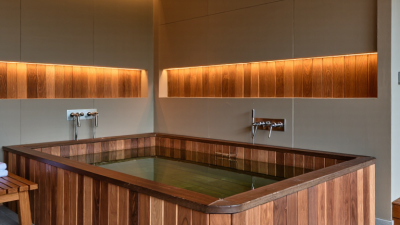
A Wooden Cold Plunge Tub For Luxury Wellness Spaces brings natural warmth to a traditionally clinical recovery ritual. In China, skilled manufacturers combine traditional timber craftsmanship with modern water-care engineering. Cedar, teak, and thermally treated wood can create rich textures, subtle aromas, and a calm visual focus. Each grain pattern feels different. That difference gives the space character. Luxury wellness design requires more than attractive materials. A reliable tub should support stable water temperatures, secure drainage, smooth interior surfaces, and practical maintenance access. Designers should review insulation, filtration, plumbing, and ventilation before installation. These details influence comfort and long-term operating costs. They also protect the surrounding floor from moisture damage. A cold plunge should complement, not compete with, a sauna or Wellness Hot Tub. Experienced suppliers can provide material samples, production photographs, installation guidance, and clear warranty terms. Buyers should ask how the timber is sealed and how joints respond to repeated temperature changes. Wood is beautiful, but it is not maintenance-free. That matters. User experience deserves equal attention. A well-positioned tub may sit beside stone tiles, warm lighting, folded towels, and a non-slip access platform. Water quality must follow local health and safety requirements. Users with medical conditions should seek professional advice before cold-water exposure. Even premium projects need thoughtful limits. The best result balances craftsmanship, evidence-based planning, and honest care expectations.
Read more »
Olivia By:Olivia - October 20, 2026
2026 Top Cold Plunge Cooling Systems How They Work?

2026 Top Cold Plunge Cooling Systems How They Work?

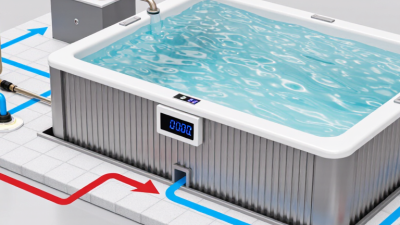
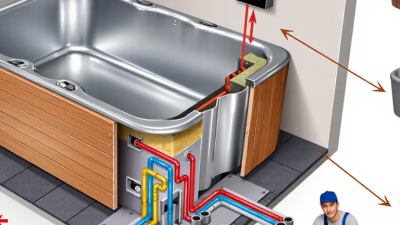
So 2026 is here, and cold plunging is getting more practical—but the tech behind it? Yeah, that still deserves a close look. Understanding how cold plunge cooling systems work is what lets buyers compare performance, safety, energy use, and long-term reliability. These systems aren’t just about making water cold. They pull heat out, move water around, filter junk, and hold a steady temp in an insulated tub. Professor Mike Tipton, an environmental physiologist and cold-water immersion researcher, puts it plainly: “Cold water immersion is a powerful physiological stressor.” And that matters. A cooling unit isn’t just some luxury gadget. It’s managing the environment around a pretty intense physical experience. Most setups use a refrigeration circuit, kind of like an air conditioner. A pump pushes water through the heat exchanger. The exchanger moves heat away from the water, and the compressor dumps that heat outside the circuit. The specifics? They vary a lot. Some units get cold fast. Others focus on running quietly or using less electricity. A strong Cooling System Cold Plunge setup should also have filtration, sanitation support, insulated plumbing, and controls that aren’t a pain to use. Look for real specs, not flashy marketing talk. Keep an eye on flow rate, cooling speed, how it does in real ambient temps, and whether service access is actually practical. Small stuff matters, too. Warm water can sneak in through uncovered plumbing. Bad insulation can kill efficiency overnight. And a spotless exterior? That doesn’t prove much. This guide looks at leading 2026 systems through a practical lens. It pulls together expert guidance, manufacturer data, user experience, and sensible safety limits. The picture isn’t perfectly neat. Performance can shift with climate, body size, how often you use it, and how you maintain it. And honestly, that uncertainty deserves some honesty.
Read more »
Alexander By:Alexander - October 16, 2026
How to Start Private Label Cold Plunge Manufacturing in 2026?

How to Start Private Label Cold Plunge Manufacturing in 2026?

Starting a private label cold plunge business in 2026? It's not just about slapping a logo on an existing tub. You need real product judgment, supplier discipline, and planning that's backed by evidence—not just gut feel. This Private Label Cold Plunge Manufacturing Guide walks through how to evaluate factories, define your specs, and set up a launch you can actually rely on. And honestly? The process should start with the user experience. Picture a customer opening the crate, checking the fittings, filling the basin—without scratching their head. Those small details matter more than you'd think. Wim Hof, the well-known cold-exposure educator, says, “The cold is your teacher.” That idea applies to manufacturing decisions, too. A capable partner should be able to explain chiller performance, insulation, filtration, sanitation, noise levels, and electrical protection in plain terms. Ask for production samples, material certificates, inspection records, and realistic lead times. Don't just accept impressive claims—ask for test evidence. A factory visit can tell you more than any polished sales presentation. Look for clean assembly areas, traceable components, and trained quality staff. Your specification should cover temperature range, cooling recovery, water capacity, drainage, packaging, warranty support, and replacement parts. Also ask whether the same platform can support [Cold Plunge Hot Plunge](https://www.vapasauna.com/cold-plunge-hot-plunge) models without making things unnecessarily complicated. Regional electrical requirements and consumer safety expectations should guide the design. And keep your marketing language restrained—especially around health outcomes. Some assumptions may turn out wrong after customer testing. That's useful information, not failure. Collect feedback from early users, review return reasons, and improve the next production batch. A dependable private label program grows through documented decisions, honest claims, and consistent quality. Cold water attracts attention, but trust builds the brand.
Read more »
Alexander By:Alexander - October 14, 2026
China Top 10 Cold Plunge Tub With Chiller Manufacturers?

China Top 10 Cold Plunge Tub With Chiller Manufacturers?

China's cold plunge market isn't just tiny wellness studios anymore—it's moved into hotels, gyms, clinics, and even people's homes. That's great, more options. But comparing product quality? Not always so easy. A slick website can make a company look way more experienced than it really is. And yeah, that matters. This Cold Plunge Tub With Chiller: Complete Guide rounds up ten China-based manufacturers for buyers who want practical, reliable gear. The review digs into tub construction, cooling performance, insulation, filtration, sanitation, warranty terms, and after-sales support. It also looks at production capacity, customization experience, certifications, and how well they communicate on exports. Honestly, those details usually tell you more than flashy marketing copy. A dependable Cold Plunge Tub Chiller should keep water temps steady during repeated use. It also needs to handle heat, moisture, drainage, and electrical safety without cutting corners. Stainless steel, acrylic, fiberglass, and insulated composites all have pros and cons. No material is perfect. Real-world inspection still matters. Ask for factory videos, test reports, sample units, and clear specs. Check cooling capacity under realistic room temps—not just lab conditions. And before you place a big order, get the replacement-part policy in writing. The companies in this guide may fit different buyer types. Some lean toward premium commercial systems. Others are more flexible with OEM and private-label work. A few might offer better value for smaller projects, though their service networks deserve a closer look. This selection isn't a final verdict. Supplier info can change. Buyers should verify certifications, production claims, lead times, and warranty coverage themselves. Careful comparison helps you avoid costly surprises and make safer purchasing decisions. Truthfully? Even a supplier that looks strong may need more questions. That's just part of responsible sourcing.
Read more »
Alexander By:Alexander - October 13, 2026
Top Commercial Cold Plunge Tub Size Guide for Buyers

Top Commercial Cold Plunge Tub Size Guide for Buyers

Picking the right commercial plunge pool isn't just about grabbing the biggest model you can find. A practical Commercial Cold Plunge Tub Size Guide has to line up dimensions with how many people will use it each day, the room layout, user comfort, and what it'll cost to run. A 78-by-35-inch tub might be fine for a private studio, but a busy wellness club will probably want a wider basin, faster filtration, and easier entry. So measure the room first. Then measure the workflow. Cold-exposure researcher Dr. Susanna Søberg puts it plainly: “Cold exposure is a stressor.” And that matters when you're planning commercially. Water depth, entry steps, handrails, circulation space, and how quickly the water recovers temperature all shape the customer's experience. A compact tub can cut installation costs, sure, but tight shoulder space may put off bigger users. Go larger and comfort improves, yet now you need stronger flooring, better drainage, and more water treatment. Honestly, there's rarely a perfect choice. This guide looks at internal dimensions, external footprint, water volume, clearance, and realistic user capacity. It also covers cleaning access, filtration cycles, electrical requirements, and daily maintenance. Those are the details that separate a durable business asset from an expensive showpiece. If you're comparing commercial hot tub solutions, check warranty coverage too, along with replacement-part availability and service response times. A pretty spec sheet from a supplier isn't enough. Ask for tested recovery times and documented sanitation procedures. Small oversights have a way of turning into repeated headaches.
Read more »
Olivia By:Olivia - October 11, 2026