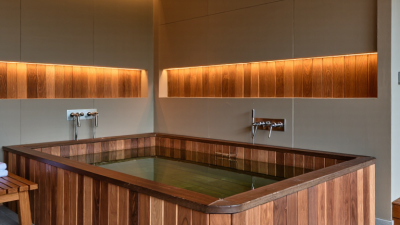
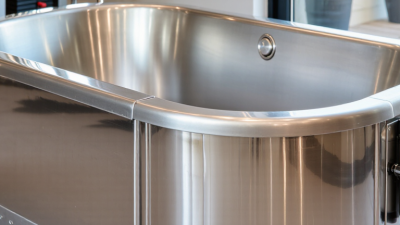
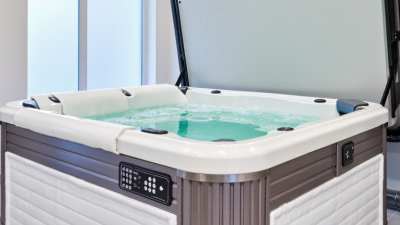
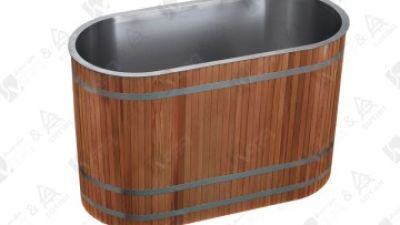
You know what truly separates a luxury spa from the rest? It's those tiny, tangible details – the feel of the wood grain under your hand, the faint trickle of water, that first crisp breath when you step into the cold plunge. A Wooden Cold Plunge Tub, especially one meant for upscale wellness spaces, can bring a lovely warmth and natural texture to a treatment room, a garden, or even a private recovery suite. And sure, aesthetics matter, but you can't overlook how it's built and how you'll maintain it day to day. So take a close look at the wood species, the quality of the joints, what the inner liner is made of, insulation, drainage, and definitely the clarity of the maintenance instructions. That's where the rubber meets the road. Honestly, it's those little details that make all the difference. They shape the guest experience, sure, but they also dictate how much work the operator ends up doing.
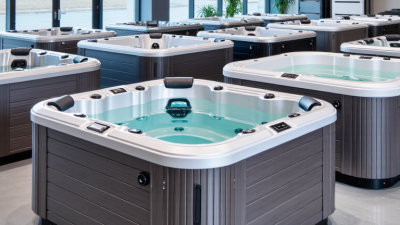
You know, Wim Hof, the cold-exposure guy, is famous for saying, “The cold is your friend.” But honestly, that’s more about getting your head in the right place than promising you’ll never get sick. A good spa, though, should be way more careful than just dropping you in an Ice Bath. They need to walk you through the whole routine, think about how comfortable you actually are, train their staff properly, and pay attention to what each person can handle. Fancy tubs look cool, but they don’t mean squat if the whole thing isn’t run thoughtfully. Honestly, you can't just swap aWellness Hot Tub for a cold plunge – they're not interchangeable at all. Each one has its own place in a wellness routine.
So, I put together this guide that walks you through ten China-based suppliers if you're shopping around for wooden cold plunge tubs. Keep in mind, it's just a starting point—definitely not a certification or a stamp of approval. You'll want to take their claims with a grain of salt and do your own digging. Ask them for up-to-date specs, real photos of actual installations (not just renderings), detailed instructions on how to care for the wood, and don't forget to clarify customization options and what happens after the sale if something goes wrong. If you can, try to get your hands on a sample or visit a completed setup before you commit—it's a big purchase, so it's worth being thorough. You know, wood can age beautifully – I mean, it looks great over time – but it's not exactly maintenance-free. So you've got to weigh that trade-off, don't you think?
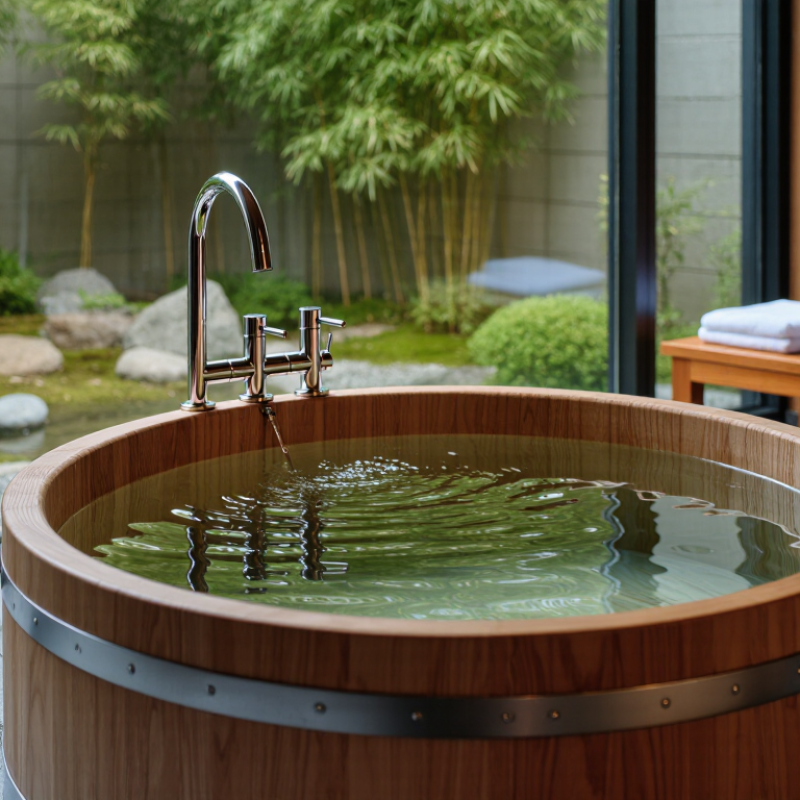
Understanding Wooden Cold Plunge Tubs for Spa Use
A wooden cold plunge tub brings a tactile, quieter presence to a spa than a standard metal or molded-plastic basin. The timber’s grain, rounded rim, and subtle scent can shape the bathing area’s atmosphere. Looks matter, but water contact matters more. Ask how the tub handles repeated filling, draining, and temperature changes. A fitted liner or carefully sealed interior can help protect the wood, though each design needs clear care instructions.
For spa use, check the tub’s usable capacity, entry height, and space around the rim. Staff need room to clean surfaces and inspect fittings. A smooth interior is easier to wipe down than one with tight corners or rough joints. Confirm that the circulation, filtration, and temperature-control equipment suit the tub’s volume. Not every wooden vessel includes these systems. Small detail, big difference.
Wood can move as moisture and temperature change, so ask about drying routines, sealant upkeep, and replacement parts. Request written guidance for water treatment and cleaning, rather than relying on vague assurances. Cedar or other commonly used woods may be offered, but species alone does not prove durability. A sample finish can reveal how the surface feels when wet. That check is easy to overlook. I would also ask who handles repairs; supplier answers can be less specific than the brochure.
How Wooden Cold Plunge Tubs Are Designed and Manufactured
Design starts with water, not the timber. Manufacturers select stable, properly dried wood, then shape staves to fit closely around the tub’s base. Stainless-steel hoops hold the structure together while allowing some seasonal movement. The USDA Forest Products Laboratory’s Wood Handbook explains how moisture changes affect wood dimensions, making drying and joint design important—not decorative details. A liner or carefully specified interior finish may help manage water exposure, but it must suit the chosen wood and maintenance plan. Details matter.
The Global Wellness Institute’s 2024 Global Wellness Economy Monitor valued the worldwide wellness economy at $6.3 trillion in 2023. That broad figure signals a large market for outdoor wellness products; it does not prove demand for wooden plunge tubs specifically. During production, makers should check stave fit, hoop tension, surface finish, and drainage before filling the tub. They should also document materials and care requirements for spa operators. One awkward reality: wood can move, and upkeep is part of ownership. A design that hides this fact may look polished, but it is not fully transparent.
Key Criteria for Evaluating Chinese Tub Suppliers
When comparing China’s wooden cold plunge tub suppliers, look beyond polished product photos. Ask which wood species are used, how boards are dried, and how joints are sealed. Details matter. Request specifications for the inner liner, drainage fittings, and insulation, where applicable. These parts affect cleaning, water retention, and installation, but claims should be supported by product documents or sample inspections.
A reliable supplier should explain its production checks clearly. Ask how it inspects seams, surface finish, and drainage before shipment. Request recent photos or video of the actual workshop process, not only staged images. Ask for a written warranty, spare-part options, lead times, and export packaging details. If possible, inspect a sample or arrange a third-party quality check. This takes effort, but it can reveal uneven staves or rough edges early. I would not treat one successful sample as proof that every batch will match; consistency still needs checking.
For spas, confirm that the tub’s dimensions, access points, and maintenance needs fit the intended site. Discuss how the wood should be cleaned and cared for, and ask which instructions are supplied to staff. A cold plunge tub may be part of wellness routine equipment, yet practical service matters as much as appearance. Compare suppliers using the same checklist. If an answer stays vague, note that uncertainty rather than filling in the gaps yourself.
China Wooden Cold Plunge Tub Suppliers: Evaluation Criteria
Suggested weighting for comparing suppliers serving spas. These buyer-defined weights are an evaluation framework, not measured supplier performance or market statistics.
Prioritize documented material quality and leak resistance, then assess hygiene, customization, export documentation, after-sales support, and delivery planning. Adjust the weights to fit your project requirements.
China’s Top 10 Wooden Cold Plunge Tub Suppliers
China’s Top 10 Wooden Cold Plunge Tub Suppliers should be compared by construction details, not polished catalog photos. Check the wood species, board thickness, joint design, inner lining, drainage, and replacement-part availability. Ask how each tub is tested for leaks and repeated temperature changes. Details matter. A neat exterior can hide a difficult-to-maintain interior.
The Global Wellness Institute’s *2024 Global Wellness Economy Monitor* estimated the worldwide wellness economy at $6.3 trillion in 2023, with a projection of $9 trillion by 2028. This broad figure is context, not proof of cold-plunge demand. ISPA’s *2024 U.S. Spa Industry Study* reported $21.3 billion in U.S. spa revenue for 2023. That points to a substantial spa-services sector, but does not guarantee sales for any tub. Buyers considering hot tubs for wellness should separate general market growth from product-specific evidence. Request material specifications, care instructions, and written test details from shortlisted Chinese suppliers. Then compare actual samples where possible. A top-ten ranking is never perfect; quality can vary between batches, and attractive wood may need regular care.
China Top 10 Wooden Cold Plunge Tub Suppliers for Spas - China’s Top 10 Wooden Cold Plunge Tub Suppliers
This table is a supplier-screening guide, not a verified ranking. No company-specific supplier data is included; confirm each item directly with prospective manufacturers.
| No. | Supplier Evaluation Dimension | What to Verify | Useful Evidence to Request |
| 1 | Wood species and sourcing | Confirm the species, grade, origin, and whether the wood is solid timber or another construction. | Written material specification, sample photos, and applicable chain-of-custody documentation. |
| 2 | Tub dimensions and water capacity | Check external and internal dimensions, usable water volume, and the number of intended users. | Dimensioned drawings and a stated capacity with the measurement method. |
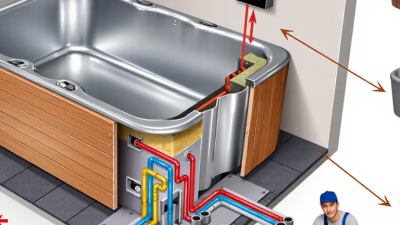
| 3 | Water-retention construction | Understand how the tub holds water, including joints, liner or insert details, and drainage design. | Cross-section details, assembly instructions, and documented leak-test procedure. |
| 4 | Chiller compatibility | Confirm connection sizes, flow requirements, and whether a chiller is included or supplied separately. | Plumbing diagram and chiller specifications for the proposed configuration. |
| 5 | Filtration and sanitation options | Ask what filtration or water-treatment equipment is offered and whether it suits the intended use and local requirements. | Equipment list, maintenance instructions, and replacement-part details. |
| 6 | Surface finish and care | Identify coatings, sealants, and recommended cleaning methods; confirm compatibility with the intended water-treatment routine. | Finish specification, care guide, and product safety information where applicable. |
| 7 | Customization and spa installation | Check available sizes, access steps, covers, fittings, and installation clearances for the spa site. | Options list, site-planning drawings, and written confirmation of custom work. |
| 8 | Commercial-use suitability | Clarify intended duty, operating guidance, maintenance needs, and warranty coverage for spa or other commercial settings. | Warranty terms and written operating and maintenance instructions. |
| 9 | Electrical and market compliance | For powered equipment, identify the destination market and verify applicable electrical and product requirements. | Relevant test reports or certificates for the exact model and destination market. |
| 10 | Export packing and shipment | Confirm packed dimensions, shipment terms, protective packaging, lead time, and responsibility for installation. | Packing specification, written quotation, and shipment schedule. |
Comparing Supplier Products, Customization, and Services
Comparing ten Chinese wooden cold plunge tub suppliers starts with details a spa team can verify. Ask which wood species are used, how the interior is sealed, and what maintenance the finish requires. Request drawings showing tub dimensions, water capacity, drainage position, and access for cleaning. These details affect installation and daily operation. Small differences matter.
Customization can include seating, exterior finish, steps, insulation, and connections for filtration or temperature-control equipment. Confirm which options are standard and which require a separate quote. Ask for production timelines, packaging details, replacement-part availability, and written warranty terms. Photos are useful, but a sample or a live video walkthrough can reveal joinery and finish quality more clearly. Sometimes, a detail gets missed.
Service deserves the same attention as the product. A responsive supplier should answer technical questions clearly and provide installation and care instructions in a usable format. Compare quotes line by line; shipping, accessories, and after-sales support may be treated differently. Supplier comparisons are not perfectly tidy, especially when specifications use different units or omit details. That is a reason to ask for clarification, not to assume two tubs are equivalent.
How to Source and Verify a Wooden Cold Plunge Tub Supplier
When sourcing a wooden cold plunge tub supplier, look beyond polished product photos. Request drawings with internal dimensions, wood species, wall thickness, insulation details, and the exact liner or waterproofing method. Ask how the tub handles drainage, freezing conditions, and routine cleaning. A clear answer should match the written specification, not change between emails. Ask for proof.
Verify claims with dated production photos, material records, and references from buyers who use similar tubs. If possible, inspect a sample or arrange a third-party pre-shipment inspection. Check how the supplier packs the tub, what parts are included, and how defects or shipping damage are handled. Get these terms in writing. Small details matter.
Treat promotional copy as a prompt for questions, not evidence. For example, “Transform your outdoor space with the VAPA HT010 Supreme Hot Tub. Experience luxury” describes a hot tub, not verified cold-plunge performance or wooden construction. Confirm that any quoted listing actually matches the model, materials, and intended use you are buying. Suppliers may have gaps in their documentation; note them, ask follow-up questions, and decide whether the remaining uncertainty is acceptable before paying a deposit.
A Practical Guide to the Vapasauna 2-Person Oval Cold Tub with Custom Sizing, Lid, and Cover
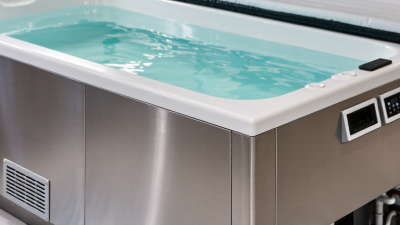
A two-person oval cold tub should feel spacious without overwhelming the room. Its capsule-shaped footprint supports side-by-side immersion, while custom sizing can help it fit a home recovery area, studio, or spa. A fitted lid and protective cover make the setup easier to maintain between sessions by helping shield the water from dust and debris. Inside, durable 304 stainless steel offers a smooth, easy-to-clean surface and helps keep the water cold—practical details for regular use, not just visual appeal.
Cold immersion is best approached as a considered wellness practice rather than a cure-all. A Cochrane review published in 2012 examined 17 small trials involving 366 participants and reported that cold-water immersion may reduce post-exercise muscle soreness, while noting that the evidence was limited in quality. For a shared tub, adjustable sizing can make it easier for both users to settle in comfortably, and a lid helps simplify day-to-day care. Choose a placement with convenient drainage and access, and follow sensible session lengths and temperature guidance, especially if either user has a health condition.
Conclusion
This guide explores how wooden cold plunge tubs can enhance spa experiences, from their role in contrasting-temperature wellness routines to the design and manufacturing choices that shape comfort, durability, and upkeep. It outlines the materials, construction methods, insulation, liners, cooling systems, and finishing details buyers may encounter, helping readers understand how a Wooden Cold Plunge Tub For Luxury Wellness Spaces can be tailored to different settings and service needs.
The article also presents a practical framework for comparing Chinese suppliers, including production capabilities, quality controls, customization options, lead times, communication, and after-sales support. A top-ten supplier overview is paired with guidance on evaluating product specifications and service offerings. The final section explains how to shortlist potential partners, request clear documentation and samples where appropriate, confirm manufacturing details, and verify supplier credentials before placing an order. Together, these topics help spa operators make informed sourcing decisions and select a tub that aligns with their design goals, operational requirements, and budget.