| Water hygiene | Free chlorine concentration | 3–5 ppm target
CDC guidance for hot tubs specifies at least 3 ppm free chlorine. A 3–5 ppm operating target provides a practical control range when the water is being used as a treated spa. | Confirm that the tub can be tested and dosed easily. Measure free chlorine with a properly stored test kit rather than relying only on an automatic dispenser setting. |
| Water hygiene | pH control | Maintain pH at approximately 7.2–7.8, the CDC-recommended range for hot tubs and pools using chlorine. | Choose a design with convenient access for testing and chemical adjustment. Chlorine becomes less effective when pH is too high. |
| Water testing | Testing frequency | Check disinfectant and pH at least twice per day during operation, and more often with heavy use or hot weather. | Keep a DPD liquid or tablet test kit available. Test strips are convenient for quick checks but should be replaced regularly and used before their expiration date. |
| Water temperature | Cold-plunge operating range | Cold-plunge temperatures vary by user and protocol. A controlled range around 50–59°F (10–15°C) is commonly used, while CDC states hot-tub water should not exceed 104°F (40°C). | Select a tub or chiller with an accurate digital thermometer. Avoid treating a cold plunge as risk-free: cold exposure can still cause cold shock and cardiovascular stress. |
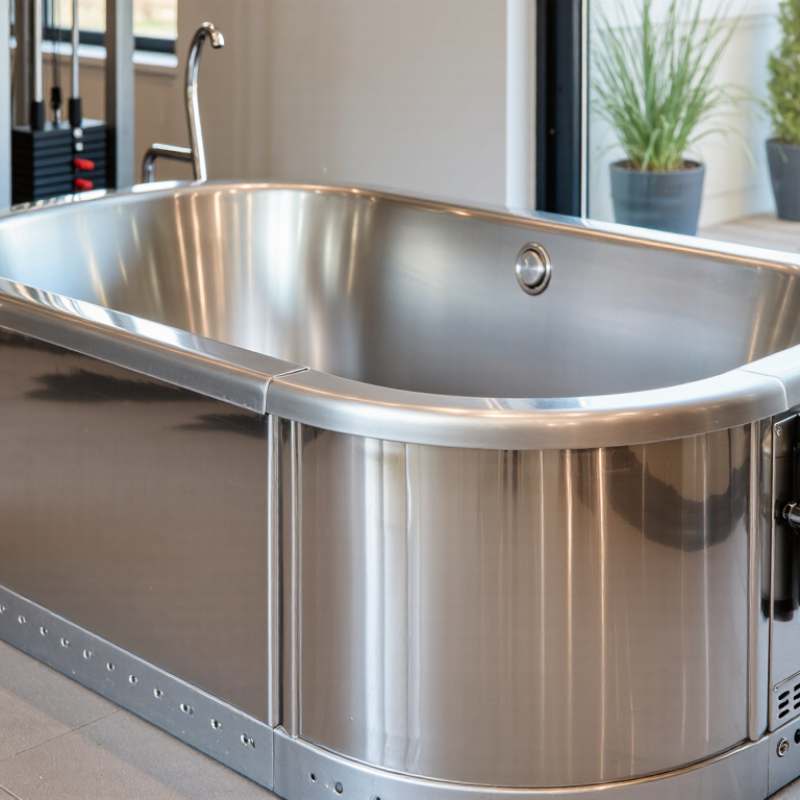
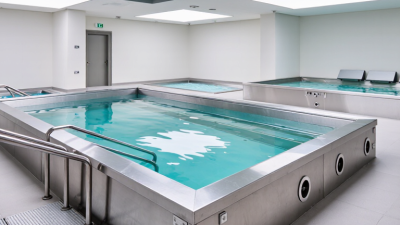
| Stainless steel | Steel grade | Type 304 stainless steel is widely used for general corrosion-resistant equipment. Type 316 contains molybdenum and generally offers better resistance to chloride-related corrosion. | Ask for the actual steel grade used for the basin, fittings, and weld areas. If chlorine, salt, or coastal air exposure is expected, 316 may provide a greater corrosion-resistance margin. |
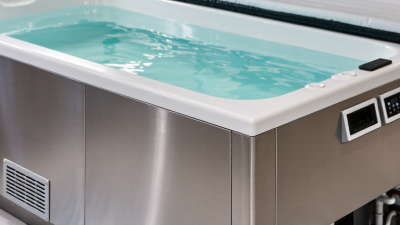
| Stainless steel | Surface finish and welds | A smooth, continuous, easy-to-clean surface with properly finished welds reduces areas where residue and biofilm can collect. | Inspect seams, corners, drain openings, and fittings. Avoid sharp internal edges, rough weld discoloration, exposed porous sealant, or inaccessible ledges. |
| Water circulation | Filtration and circulation | A circulation pump and replaceable mechanical filter help remove suspended particles, but filtration does not replace chlorine, pH control, or cleaning. | Compare filter type, replacement cost, flow rate, access, and cleaning instructions. Make sure the circulation path reaches the full water volume. |
| Water turnover | Drain and refill process | No filter eliminates the need for periodic draining and cleaning. The required interval depends on water temperature, bather load, chemical control, and manufacturer instructions. | Prioritize a low-position drain, compatible hose connection, and a basin that can be wiped completely dry. Follow the equipment instructions and local wastewater rules. |
| Insulation | Heat gain and energy efficiency | Closed-cell foam, insulated panels, and a well-fitted cover reduce unwanted heat transfer and lessen chiller workload. Actual performance depends on ambient temperature and usage. | Ask whether the base, side walls, plumbing, and cover are insulated. Compare measured power consumption under a stated ambient temperature rather than relying on an efficiency claim alone. |
| Cover | Hygiene and safety cover | A fitted, cleanable cover limits leaves, dust, sunlight, and accidental access. It does not replace chemical testing or disinfection. | Look for a secure fit, water-resistant exterior, drainage design, and a material that will not shed particles into the basin. |
| Electrical safety | Ground-fault protection | Water and electricity require ground-fault protection, correct grounding, weather-rated connections, and installation in accordance with local electrical codes. | Use a qualified electrician where required. Keep plugs, control boxes, and extension connections away from standing water, and never operate damaged equipment. |
| User safety | Entry, exit, and supervision | A stable step or external platform, slip-resistant surroundings, and unobstructed access reduce fall risk. Cold water can trigger involuntary gasping and rapid breathing. | Install on a level, load-bearing surface. Enter gradually, avoid breath-holding or solo high-risk sessions, and stop immediately if dizziness, numbness, confusion, or chest discomfort occurs. |
| Capacity | Water volume and user load | More water volume generally requires more time, energy, and chemicals to cool and maintain. Actual capacity should be based on usable water volume, not external dimensions. | Ask for internal dimensions, maximum fill level, usable liters or gallons, and recommended occupancy. Confirm that the floor can support the filled tub, users, and equipment. |
| Chemical compatibility | Chlorine, salt, and cleaning products | Chloride exposure can contribute to stainless steel corrosion, especially when concentration, temperature, or contact time is high. Incompatible cleaners can damage metal and seals. | Use only chemicals approved for the tub, keep free chlorine within the tested operating range, rinse surfaces after cleaning, and never mix chlorine with acids or ammonia-based products. |
| Documentation | Technical and care information | Useful documentation should identify steel grade, electrical requirements, water volume, filter specification, drain procedure, compatible chemicals, and cleaning intervals. | Treat missing specifications as a purchasing risk. Choose a product with clear maintenance instructions and accessible replacement parts. |