request to quote
Leave Your Message
0%

So you're thinking about getting a Wood-Fired Sauna in 2026? Honestly, it's about more than just scrolling through pretty photos and comparing price tags. You really need to dig into heat performance, build quality, airflow, where you're going to keep the firewood, and what installation will actually involve before you commit. Because trust me — a gorgeous cedar cabin can still end up being a huge letdown if the stove doesn't match the space.

Alright, so if you're building or buying a sauna, the stuff that really matters is how it feels to actually use it every day. People who build saunas for a living will tell you to pay attention to things like how moisture-resistant the wood is, how thick the insulation is, whether the door seals properly, how high the benches sit, and what the chimney setup looks like. Honestly, these little details make a big difference—they affect how comfortable the sauna is, how quickly it heats up, how much energy it gobbles, and how much upkeep you're looking at down the road. And before you commit, double-check that the stove has the proper safety documentation, and that the installation actually meets your local building and fire codes. Don't be shy about asking for clear specs, either.

Honestly? It's the little details that matter. They really do.

You know, a good seller ought to walk you through the materials, what the warranty actually covers, where to find replacement parts, and how to use the sauna properly – none of that vague 'trust me' stuff. Sure, reviews are helpful, but they're often written by people in different climates or with their own quirks, and sometimes they skip over installation details. So you really have to do your own checking. No guide out there is going to cover all the bases. You'd think seasoned buyers would have this stuff down, but they still get caught out by things like delivery access, preparing the foundation, or the surprisingly long time it takes to dry firewood properly. Honestly, picking the right wood-fired sauna isn't just about chasing the highest temperature you can find. You've got to weigh in your household size, how you like to bathe, the space you have, your local climate, and honestly, how much maintenance you're willing to put up with.

That's where this 2026 guide comes in – it'll help you compare models with a critical eye, spot the avoidable weak points, and choose a wood-fired sauna that's safe, durable, and actually fits your everyday life.
2026 Wood Fired Sauna Buying Guide What Should Buyers Know?

Wood-Fired Sauna Types: Barrel, Cabin, and Indoor Models Compared

2026 Wood Fired Sauna Buying Guide: What Should Buyers Know?

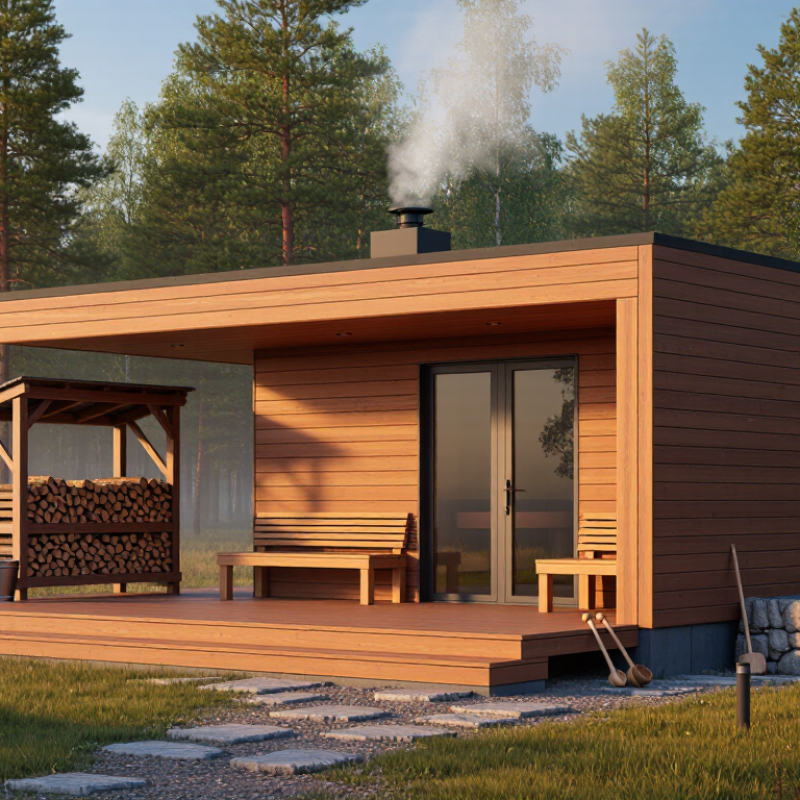
Choosing between barrel, cabin, and indoor saunasdepends on space, maintenance, and heating priorities. A Barrel Sauna has a compact footprint and distinctive curved walls. Its circular shape can warm quickly, but seating near the ends may feel less comfortable. Check the timber thickness, door seal, roof protection, and drainage area before ordering.Outdoor Sauna Wood Fired models also need safe chimney clearance and a stable, non-combustible base.

Cabin saunas offer more flexible layouts. You can add wider benches, changing space, or a larger wood-burning heater. Their straight walls usually make insulation and ventilation easier to plan. However, they require more ground space and careful roof construction. Poor airflow can create damp corners, while an oversized heater may waste fuel and overheat the room. A qualified installer should verify local clearance rules and flue requirements.

Indoor models suit homes with suitable ventilation, structural support, and moisture control. They are convenient during bad weather, but installation can disturb walls, flooring, and electrical systems. Indoor use also demands thoughtful condensation management. Measure the room twice. Small errors matter. I would not choose a model from appearance alone; sit on the benches, inspect unfinished wood, and ask how replacement parts are sourced. Wood species, heater capacity, fasteners, and maintenance instructions deserve equal attention. The perfect type may still be the wrong fit for your building.

Heat Performance: Evaluate 70–100°C Temperatures and Warm-Up Times

A wood-fired sauna should reach 70–100°C at head height, but the number alone is not enough. EN 15821:2010 establishes safety and performance requirements for multi-fired Sauna Heaters. Buyers should also check how evenly heat spreads from the stones to the benches.

A practical target is 35–60 minutes for warm-up in a properly insulated room. Cold timber, weak ventilation, wet stones, and outdoor temperatures can extend this period. Measure the air temperature near the upper bench, not beside the heater. That detail matters.

The U.S. Department of Energy’s Energy Saver guidance emphasizes insulation and air sealing as major factors in reducing heat loss.

Wood moisture changes performance too. The European Committee for Standardization commonly references approximately 20% moisture content for seasoned firewood in combustion guidance. Wetter logs may produce slower heating, more smoke, and unstable temperatures. Keep a simple log: outdoor temperature, wood load, ignition time, and readings at 30 and 45 minutes.

Some buyers expect 100°C immediately. That is unrealistic.

A slower rise may indicate efficient heat storage rather than poor performance. Still, a room that struggles to pass 70°C deserves inspection. Ventilation design, chimney draft, door sealing, and stone arrangement can all be responsible. My own buying criteria would include a visible thermometer, replaceable stones, and documented test conditions—not only a headline temperature.

Stove Sizing: Start at 1 kW per 1.5 m³ of Sauna Volume

For a Wood Fired Sauna Outdoor, stove sizing should begin with sauna volume, not floor area. A practical industry rule is 1 kW for every 1.5 m³ of interior space. A 9 m³ sauna therefore needs roughly 6 kW. This estimate works best for timber walls with proper insulation. Glass doors, large windows, stone surfaces, and uninsulated logs increase heat loss. I learned this the hard way: a small heater may warm the room, but recovery becomes frustrating after repeated door openings.

Technical standards also matter. EN 15821:2010 covers solid-fuel sauna heater performance and testing, while NFPA 211 provides guidance for chimneys, clearances, and safe installation in relevant regions. These documents do not replace local inspection requirements. They also do not guarantee comfort. A heater with excessive output can create harsh radiant heat before the benches reach a balanced temperature. Bigger is not always better.

Tips: Measure the actual interior volume. Add the manufacturer’s recommended correction for glass and masonry. Check ceiling height, because hot air collects above the upper bench. Keep the flue route short and carefully planned. A thermometer at bench level is more useful than one near the ceiling. Leave room for judgment; the 1 kW rule is a starting point, not a promise.

Chimney Safety: Follow NFPA 211 Clearances and Certified Components

2026 Wood Fired Sauna Buying Guide: Chimney Safety

A wood-fired sauna needs more than a well-built stove. Its chimney must meet NFPA 211 clearance requirements and local building rules. Keep combustible walls, roof framing, insulation, and stored firewood away from hot chimney surfaces. The exact distance depends on the listed appliance, chimney system, shielding, and installation details. Never estimate by eye.

Choose certified, compatible components, including the stove, chimney sections, connector, flashing, cap, and spark-control parts. Mixing unlisted parts can create hidden gaps or excessive heat. A qualified installer should verify the route, support points, roof penetration, and final clearances. The local authority having jurisdiction may require an inspection. Rules can vary by location.

Tips: Measure clearances before buying. Photograph the wall and roof layout. Keep the manual on site. Inspect for darkened wood, loose joints, or damaged seals. I would recheck every connection after the first few fires; heat can reveal mistakes that looked harmless during installation. For a Wood Fired Hot Tub And Sauna setup, separate hot surfaces from decking, towels, and fuel storage. Do not assume a decorative heat shield makes an unsafe installation acceptable. Safety details are easy to overlook.

Firewood Selection: Burn Properly Seasoned Wood Below 20% Moisture

# 2026 Wood Fired Sauna Buying Guide: What Should Buyers Know?

## Firewood Selection: Burn Properly Seasoned Wood Below 20% Moisture

Firewood quality directly affects heat, smoke, and stove performance. Choose dense, untreated hardwood that has been split and stacked for proper airflow. Oak, maple, and ash can provide steady heat when seasoned correctly. Never burn painted, glued, or chemically treated wood. These materials may release harmful fumes and damage the stove.

Aim for moisture below 20 percent. A small moisture meter helps, but it is not magic. Test the freshly split center, not the dry outer surface. A piece may look cracked and ready while remaining damp inside. Dry wood often sounds hollow when tapped together. It also lights faster and produces less visible smoke.

Keep the stack raised above wet ground. Cover only the top, leaving the sides open. Rain protection matters, but trapped moisture slows drying. Two years of storage is not always necessary, and one summer may not be enough. Local climate changes the timeline. Check the wood instead of trusting a calendar.

Use smaller splits during startup, then add larger pieces gradually. Overloading the firebox wastes fuel and can create unstable temperatures. A clean flame should burn brightly, without thick gray smoke rolling from the chimney. Inspect the flue regularly, because poor combustion can leave deposits. That detail is easy to overlook.

2026 Wood-Fired Sauna Buying Guide: Choose Firewood Below 20% Moisture

Dry firewood burns more efficiently, produces steadier heat, and creates less smoke than freshly cut wood. For a wood-fired sauna, properly seasoned firewood should generally have a moisture content below 20%.

The chart uses representative moisture levels on a wet basis: freshly cut wood is commonly around 30–60%, properly seasoned firewood is below 20%, and kiln-dried firewood is often approximately 10–15%. Actual values vary by wood species, climate, storage, and measurement method. Use a moisture meter and split a log before testing the freshly exposed surface.

Ventilation Planning: Balance Fresh-Air Supply and Exhaust Airflow

Ventilation is a working system, not a decorative detail in a wood-fired sauna. Fresh air should enter near the heater, while stale air leaves on the opposite side. This supports steady combustion and reduces heavy, stuffy air during bathing. Keep supply vents clear of benches, insulation, and stored firewood.

Exhaust placement needs more thought. A low exhaust vent can help remove cooler air after use, while a higher adjustable vent can release heat and moisture. The best arrangement depends on the heater design, room size, chimney route, and local building requirements. Follow the heater manufacturer’s instructions carefully. Add a carbon monoxide alarm outside the Sauna Room, where people can hear it.

Small errors matter.

During planning, sketch airflow with the door closed and open. Check whether the incoming stream crosses the room or disappears behind the heater. That simple test can reveal poor circulation. I would not rely on one fixed vent and hope for the best. Damp timber, wind pressure, and seasonal temperature changes can alter performance. The same principle matters near a Hot Tub Wood Fired setup, especially when a heated enclosure shares outdoor space. Keep combustion air independent from occupied rooms, and never block required openings after installation. Recheck the vents after the first few fires. Some plans look perfect on paper, yet feel wrong in practice.

2026 Buying Checklist: Compare Capacity, Materials, Warranty, and Costs

A 2026 wood-fired sauna deserves a practical checklist, not a glossy promise. The Global Wellness Institute valued the global wellness economy at $6.3 trillion in 2023 and projected $9 trillion by 2028. That growth increases choice, but not necessarily quality. Start with capacity. Measure usable bench length, not the advertised floor area. For two adults, a compact room may work; four adults need wider benches and better airflow. Test the sitting position on paper first.

Materials affect heat-up time, smell, and maintenance. Choose kiln-dried, resin-stable interior wood, securely fastened benches, and corrosion-resistant stove components. A door should close firmly without sticking. The U.S. Environmental Protection Agency recommends firewood moisture below 20% for cleaner, more efficient burning (EPA Burn Wise). Buy a moisture meter. It is a small cost with real value. Avoid vague claims such as “premium wood” without species, thickness, or treatment details.

Compare the complete cost, including stove, chimney, stones, delivery, foundation, permits, and installation. Ask whether the warranty covers labor, water damage, cracked glass, and replacement parts. Read exclusions carefully. Some warranties sound generous. They are not always generous. Check the required clearances against applicable local building and fire codes, including NFPA 211 guidance where relevant. A qualified installer should document those measurements. Keep every invoice and maintenance record. I would also request a written heat-up estimate, while remembering that weather, wood moisture, and loading habits can change the result.

VAPASAUNA HT021 Hybrid Hot Tub: Outdoor Wellness Trends from the 2024 Global Wellness Economy Monitor

The HT021 Hybrid Hot Tub reflects the growing interest in outdoor wellness highlighted by the 2024 Global Wellness Economy Monitor. As more people seek convenient ways to support relaxation, stress management, and everyday recovery, hybrid hot tubs are becoming a practical addition to patios, gardens, and private wellness spaces. By combining warm-water bathing with an outdoor setting, this type of system encourages users to spend more intentional time away from screens and daily pressures.

Its appeal also connects with broader wellness trends focused on personalized routines and accessible self-care. A hybrid design can offer flexibility for seasonal use, while adjustable water temperature and comfortable seating help create a calming experience for individuals, couples, or small households. The outdoor environment adds another dimension, allowing users to enjoy fresh air, natural surroundings, and quiet moments without traveling to a commercial spa. As wellness increasingly becomes part of home design, products such as the HT021 can support a lifestyle centered on relaxation, recovery, and meaningful leisure.

FAQS

Why are chimney clearances important in a wood-fired sauna?

Hot chimney surfaces can ignite nearby walls, roof framing, insulation, decking, towels, or stored firewood. Never estimate spacing by eye.

How should buyers confirm the required chimney distance?

Check the appliance and chimney instructions, then follow local building rules. A qualified installer should verify every clearance.

Which chimney components should be compatible?

Use certified, compatible stove, chimney sections, connector, flashing, cap, and spark-control components. Mixed parts may create hidden heat gaps.

Is a decorative heat shield enough for safety?

Not necessarily. A shield cannot make an unsafe installation acceptable. The entire route and surrounding materials still need inspection.

What should buyers check before installation?

Measure wall and roof clearances. Photograph the layout. Keep the installation manual nearby.

What signs may reveal chimney or connector problems?

Look for darkened wood, loose joints, damaged seals, or unusual smoke. Heat may expose mistakes that seemed harmless.

What firewood works best for a sauna stove?

Use dense, untreated hardwood split into smaller pieces. Avoid painted, glued, or chemically treated wood.

How dry should firewood be before burning?

Aim for moisture below 20 percent. Test the freshly split center with a moisture meter.

How should firewood be stored?

Raise the stack above wet ground. Cover only the top, leaving the sides open for airflow.

How can buyers improve the first few fires?

Start with small splits, then add larger pieces gradually. Watch for bright flames and thick gray smoke. I would recheck every connection afterward.

Conclusion

Choosing a Wood-Fired Sauna in 2026 requires balancing design, heating performance, safety, and long-term value. Buyers can compare barrel, cabin, and indoor models based on available space, capacity, insulation, and installation needs. A well-planned sauna should reach approximately 70–100°C, with warm-up time depending on room volume, insulation, stove output, and fuel quality. As a starting point, select about 1 kW of stove power for every 1.5 cubic meters of sauna volume, then confirm the calculation with the installation requirements.

Chimney safety should be a priority: follow NFPA 211 clearance guidance and use properly certified components. Burn clean, dry, seasoned firewood with moisture below 20% for efficient heating and reduced smoke. Ventilation must provide balanced fresh-air intake and exhaust airflow without creating uncomfortable drafts. Before purchasing, compare seating capacity, construction materials, stove and chimney specifications, warranty coverage, installation complexity, operating costs, and total budget to ensure the sauna suits both lifestyle and safety expectations.
Sophia

Sophia

Sophia is a dedicated marketing professional with extensive expertise in the field, currently driving the growth and visibility of a leading manufacturing company located in Huizhou, China. With over 10,000 square meters of state-of-the-art manufacturing facilities and a strong team of more than 20......
Previous 2026 How to Choose a Custom Cold Plunge Tub Buying Guide