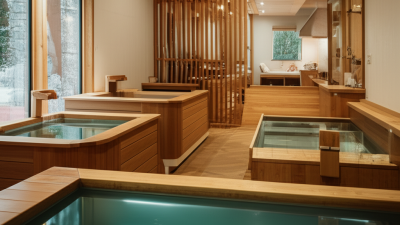
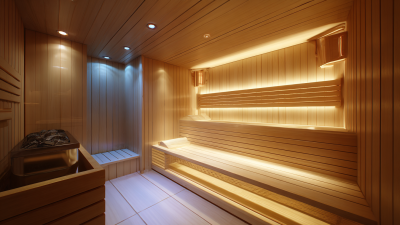
A sauna tent offers an alternative to a permanent sauna cabin for people who want a more flexible wellness setup. Its appeal comes from the ability to create a dedicated heat-exposure space without necessarily committing to a fixed Wooden Sauna room. Depending on the design, a sauna tent may be suitable for home use, temporary setups or other applications where space and portability matter.
However, sauna tents are not all designed the same way. Heating systems, materials, assembly methods, operating requirements and storage arrangements can differ between models. Understanding these differences helps buyers choose a suitable product and prepare a safer, more convenient setup.
Vapasauna offers tent sauna solutions for buyers evaluating Portable Sauna equipment. This guide explains the main considerations when comparing sauna tents, preparing an installation area and planning for regular use.
What Makes a Sauna Tent Different from a Traditional Sauna?
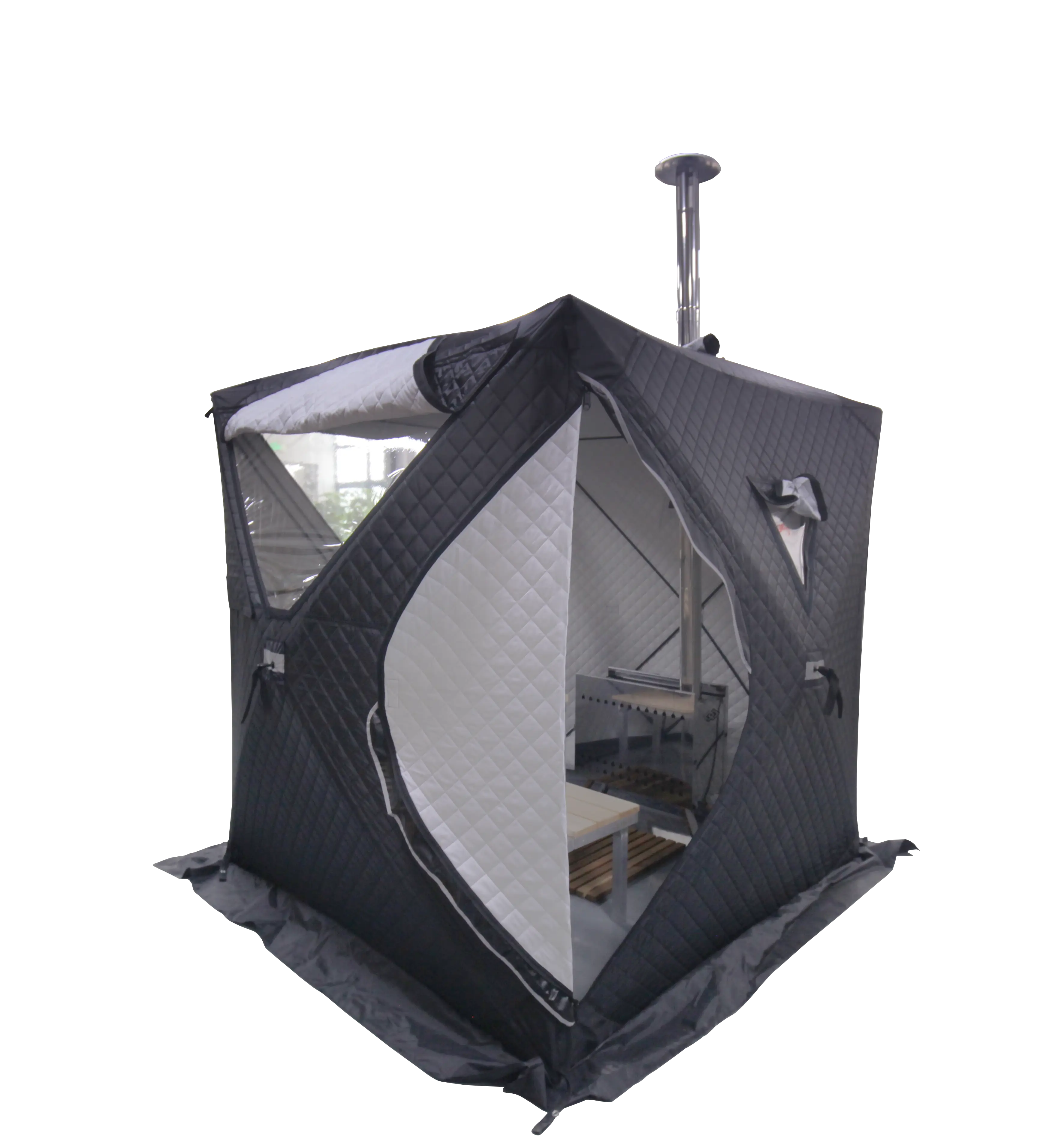
The main difference between a sauna tent and a traditional sauna is the structure. A traditional sauna is generally designed as a more permanent cabin, while a sauna tent uses a tent-style enclosure intended to provide a more flexible setup. The actual portability and assembly process depend on the model.
For households with limited space, a tent-style design may be worth considering if the product can be assembled when needed and stored when not in use. It may also appeal to buyers who do not want to install a permanent sauna cabin.
A traditional sauna, by comparison, may provide a more substantial enclosure and a different interior experience. Its construction, seating, insulation and heating system are usually designed around a more permanent installation. Buyers can explore traditional sauna options to compare the types of spaces and configurations available.
Neither format is automatically better for everyone. The right choice depends on available space, the intended frequency of use, preferred heating method, storage requirements and installation conditions.
It is also important to separate a sauna tent from other portable wellness products. The term describes the enclosure style, not a single heating technology. Buyers should check whether a particular model uses steam, infrared heating or another specified arrangement rather than assuming all sauna tents operate in the same way.
Check the Heating System and Equipment Compatibility
The heating system is one of the most important features to understand before purchasing or assembling a sauna tent. Different designs may use different heating technologies, and accessories intended for one type may not be suitable for another.
For a model that uses a steam generator, buyers should review the generator's capacity, designated position, steam hose connections and water requirements. The steam outlet and hose can become very hot, so the equipment should be installed and operated exactly as instructed. Essential oils or other substances should not be added to the generator unless the manufacturer specifically allows them.
For a model that uses infrared heating, check the type and position of the heating elements, available controls, electrical requirements and the manufacturer's operating instructions. Do not assume that advice for a steam-based tent applies to an infrared model, or vice versa.
Before ordering, confirm the following details:
The specific heating method used by the model.
Which heating components and accessories are included.
The required power supply and electrical specifications.
Any water, steam hose or connection requirements.
Available temperature or timer controls, if applicable.
The manufacturer's instructions for setup, operation and cleaning.
If the sauna tent is part of a larger wellness product range, check compatibility carefully before combining equipment from different suppliers. A complete setup should follow the instructions for the actual components being used.
Vapasauna's tent sauna product page is a useful starting point for reviewing available options and confirming the configuration of a particular model before making a purchasing decision.
Choose a Suitable Location and Prepare the Setup
A suitable setup area supports both convenience and safe operation. Before opening the tent, review the manufacturer's assembly instructions and confirm that the intended location meets the requirements of the particular model.
A flat, stable surface helps prevent the enclosure and any internal seating from becoming unstable. The area should also provide enough room to assemble the tent, open its entrance and exit without obstruction, and access the heating equipment when required.
For electrically powered or steam-based models, follow the manufacturer's instructions about moisture, power connections and the placement of the heating components. Keep electrical equipment away from water and wet areas unless its instructions specifically allow the intended conditions. Do not use equipment with a damaged plug, cable or other electrical component.
The surroundings also matter. Keep the tent and its heating equipment away from materials that could catch fire, and maintain the clearances specified by the manufacturer. If the instructions require ventilation or other environmental conditions, make sure the location can accommodate them.
Buyers considering outdoor use should not assume that a portable sauna tent is weatherproof or suitable for every outdoor environment. Confirm whether the specific model is approved for outdoor use and follow any restrictions related to moisture, wind, temperature or storage.
A little preparation before assembly can help prevent avoidable problems. Check that all necessary components are present, inspect the tent and connections for visible damage, and make sure the setup location is suitable before switching on the equipment.
Portability, Storage and Material Considerations
Portability is one of the potential advantages of a sauna tent, but actual convenience depends on the product's size, weight, frame design, fabric construction and packing method.
Before purchasing, check the assembled dimensions as well as the packed dimensions. A tent may look compact in product photographs but still require sufficient room to assemble and store. Buyers should also consider whether the frame needs to be dismantled, how the fabric is folded and whether any separate heating components must be stored independently.
Material selection is another practical consideration. The enclosure, frame, zippers, seams and connection points all contribute to the overall usability of the product. Buyers should review the listed materials and ask how the tent should be cleaned, dried and inspected after use.
Moisture management is especially important for sauna tents exposed to steam or perspiration. Unless the manufacturer's instructions specify otherwise, allow damp components to dry appropriately before long-term storage. Storing a wet enclosure in a closed bag can create an environment where unwanted odors or material deterioration may develop.
Repeated assembly and packing can also put stress on frames, seams and zippers. Inspect these components periodically, and stop using the tent if structural damage could affect stability or safe operation.
For distributors and commercial buyers, portability should be evaluated alongside durability and intended use. A design suitable for occasional household use may not necessarily meet the demands of frequent assembly or continuous commercial operation. Confirm the manufacturer's intended-use guidance before selecting a model for a business or rental application.
Sauna Tent Safety and Responsible Operation
A sauna tent should be used according to the instructions for its specific design. Heating technology, enclosure materials and electrical components vary, so general sauna advice cannot replace the product manual.
The following precautions are useful starting points:
Read the instructions before first use. Assemble the frame, position the heating equipment and connect any hoses or accessories as directed.
Use a stable setup area. Keep the tent properly supported and follow the manufacturer's rules about clearances, ventilation and moisture.
Keep away from hot outlets and surfaces. For steam-based models, the steam outlet, hose and generator may cause burns. Do not block the designated outlets or ventilation openings.
Check electrical components. Do not operate equipment with damaged cords, plugs or connections. Follow all instructions for power supply, grounding and cleaning.
Start conservatively. If you are new to sauna use, begin with a brief session at a comfortable setting. Follow the instructions for the particular model rather than relying on a universal time or temperature recommendation.
Stay hydrated and avoid alcohol. Heat exposure can cause fluid loss, and alcohol can increase safety risks.
Leave if you feel unwell. Dizziness, nausea, unusual weakness, chest discomfort or difficulty breathing should not be ignored. Exit the tent and seek medical assistance when appropriate.
Consider individual health needs. People with relevant medical conditions, pregnancy-related concerns or medications that may affect heat tolerance should seek advice from a qualified healthcare professional before use.
Children and pets should be kept away from the heating equipment, hot surfaces and other potential hazards during operation. Follow the manufacturer's rules about supervision and intended users.
After a session, switch off and unplug the equipment as directed, allow hot components to cool before handling them, and clean or dry the tent according to the instructions. Do not fold or pack away components that are still hot or wet when the manual requires cooling or drying first.
These precautions help users make a more informed decision about how a sauna tent fits into their wellness routine. For more general advice about sauna use and heat exposure, see the Cleveland Clinic's sauna guidance.
When Does a Sauna Tent Make Sense for Home or Travel Use?
A sauna tent may suit people who want a flexible setup and have limited space for a permanent sauna cabin. It may also be worth considering when the user values storage convenience and the particular model is designed for repeated assembly.
For home use, consider where the tent will be set up, how frequently it will be used and whether the heating equipment can be operated safely in the available space. A suitable product should fit the household's practical needs rather than relying on portability as its only advantage.
For travel or temporary use, buyers must verify that the model is designed for the intended environment. Portability does not automatically mean that a product can safely be used at campsites, in vehicles, outdoors during wet weather or in other locations with limited electrical access.
A sauna tent may not offer the same space, seating arrangement or enclosure characteristics as a fixed sauna cabin. People who want a permanent home installation or a higher-capacity commercial facility may find that a traditional sauna is a better fit.
For commercial buyers, the evaluation should also include intended-use limits, cleaning procedures, assembly time, replacement parts and after-sales support. The manufacturer's product documentation should make the intended operating conditions clear.
Vapasauna provides tent sauna options for buyers comparing different equipment formats. Reviewing the exact product specifications and confirming installation, heating and storage requirements can help determine whether a sauna tent is appropriate for a particular project.
The best choice is the one that suits the user's space, intended use, heating preference and ability to follow the operating instructions. Portability can be valuable, but it should always be considered alongside safety, convenience and product suitability.
FAQS
: A sauna tent is a tent-style enclosure designed for a sauna experience using the heating system specified for that model. Its structure may allow a more flexible setup than a permanent sauna cabin, but features vary by product.
No. Sauna tents may use different heating arrangements, including steam-based systems or other specified technologies. Buyers should check the actual product specifications rather than assume all models use infrared heating.
Only if the specific model is designed and approved for the intended outdoor conditions. Check the manufacturer's instructions for moisture, wind, temperature, electrical access and storage restrictions.
The required space depends on the assembled dimensions and any additional clearance needed for entry, heating components and ventilation. Review the product dimensions and setup instructions before choosing a location.
Only when the manufacturer explicitly permits it and explains how to do so. Adding oils or other substances to a generator that is not designed for them may damage the equipment or create a safety risk.
There is no universal duration that suits every person and model. Follow the product instructions, start conservatively and leave if you feel unwell.
Switch off and unplug the equipment as instructed, allow hot components to cool, and clean or dry the enclosure according to the manual. Check the manufacturer's packing guidance before folding and storing the tent.
Confirm the heating method, dimensions, included components, power requirements, materials, setup procedure, cleaning instructions, storage size, warranty and intended-use conditions.
Conclusion
A sauna tent offers a flexible alternative to a permanent sauna cabin, but products can differ significantly in heating method, enclosure design, setup requirements and storage arrangements.
Before purchasing, compare the heating system, electrical and installation requirements, materials, packed dimensions, maintenance instructions and intended operating environment. These practical details are more useful than broad claims about health benefits or promises that every tent can be used anywhere.
For home users, storage and ease of setup may be important. For distributors and project buyers, consistent specifications, product documentation and appropriate supplier support also matter.
Vapasauna's tent sauna options provide a starting point for evaluating portable sauna equipment. By confirming the details of the actual model and following its instructions, buyers can make a more informed decision about whether a sauna tent fits their wellness space or product range.