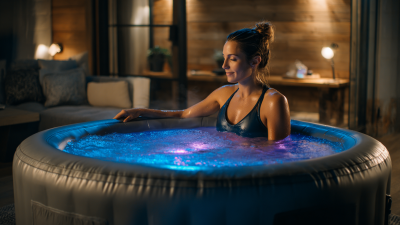
China's sauna industry includes a diverse range of products, from Traditional Sauna rooms and infrared cabins to electric heating systems, steam rooms and outdoor wellness installations. As manufacturers develop products for different applications, buyers are evaluating not only design and comfort but also installation requirements, operational practicality and product specifications.
For international businesses, understanding the China sauna market means looking beyond broad growth forecasts. Product categories, residential and commercial applications, technology choices and changing project requirements all help explain where opportunities may exist.
Vapasauna manufactures sauna and wellness equipment for different applications. This article explores the major factors shaping China's Sauna Bath market, the product developments worth watching and the considerations that matter to international buyers.
Key Factors Shaping Sauna Bath Market Demand in China
Interest in home wellness, relaxation facilities and hospitality upgrades has created opportunities for a range of sauna products. However, demand is not uniform across every category or customer group. A household purchasing a compact sauna has different priorities from a hotel developing a dedicated wellness area.
Market research can provide useful context. Grand View Research estimates that China's sauna market generated approximately US$52.4 million in revenue in 2025 and projects a compound annual growth rate of 8.5% from 2026 to 2033. These figures are third-party estimates and forecasts, not audited sales totals, and results depend on the report's market definition. They should be treated as directional context rather than a guarantee of future demand.
For manufacturers and distributors, the practical question is how demand translates into product requirements. Some buyers prioritize compact footprints and straightforward operation. Others need a coordinated range of Sauna Equipment, heating systems and accessories for larger projects.
Several considerations help businesses assess the opportunity:
Application: Determine whether the target market is primarily residential, hospitality, fitness, spa or another commercial segment.
Product type: Understand the differences between traditional, infrared, electric and steam sauna solutions.
Installation requirements: Consider available space, building conditions, electrical arrangements and local requirements.
Product positioning: Match the design, configuration and price point to the intended customer rather than assuming every market wants the same features.
For international buyers, a more useful market assessment connects these factors with an actual customer segment instead of relying on general statements that the industry is growing.
Residential and Commercial Buyers Have Different Product Priorities
One important market distinction is the difference between home sauna purchases and commercial sauna projects.
Residential buyers often focus on available space, ease of operation, appearance, comfort and how the sauna fits into daily life. Compact designs may be suitable for homes with limited floor space, while larger properties may accommodate a dedicated sauna room or an outdoor installation.
Commercial buyers, by contrast, must consider how a sauna will perform in its intended operating environment. Hotels, spas and fitness facilities may need to assess expected usage, cleaning procedures, maintenance access, installation planning and the availability of product documentation.
These differences influence more than product size. They can also affect heating configuration, control systems, material selection, service access and the accessories required for a complete installation.
For manufacturers, the opportunity lies in offering clear product options that serve distinct applications. A single product configuration may not suit every residential and commercial requirement, so transparent specifications and well-defined options can help buyers select an appropriate model.
Vapasauna's sauna bath equipment range provides a starting point for exploring different sauna applications. Buyers should compare individual product specifications against their intended setting before deciding which configuration fits their project.
Understanding the target customer is therefore an important first step in evaluating the sauna bath market. Demand becomes more meaningful when it is linked to a specific use case, installation environment and set of product requirements.
Traditional, Infrared and Steam Saunas Serve Different Market Needs
The sauna market is not a single product category. Traditional sauna rooms, infrared saunas, electric sauna systems and steam rooms offer different heating approaches and user experiences.
Grand View Research identifies traditional saunas as China's largest sauna product segment by revenue in 2025, while its outlook identifies infrared saunas as a faster-growing product segment over the 2026–2033 forecast period. These findings offer a useful indication of how different product categories may develop, although actual demand will vary by customer segment and market conditions.
Traditional saunas generally use a sauna heater to warm the room and create a familiar high-temperature sauna environment. Buyers should evaluate heater compatibility, cabin construction, ventilation and the intended operating conditions. Explore Vapasauna's traditional sauna options.
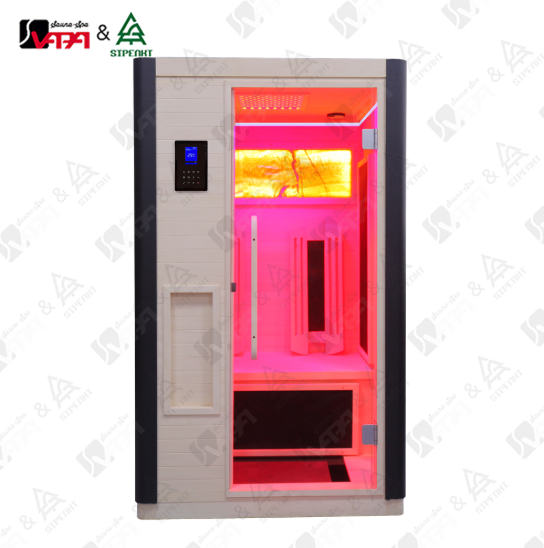
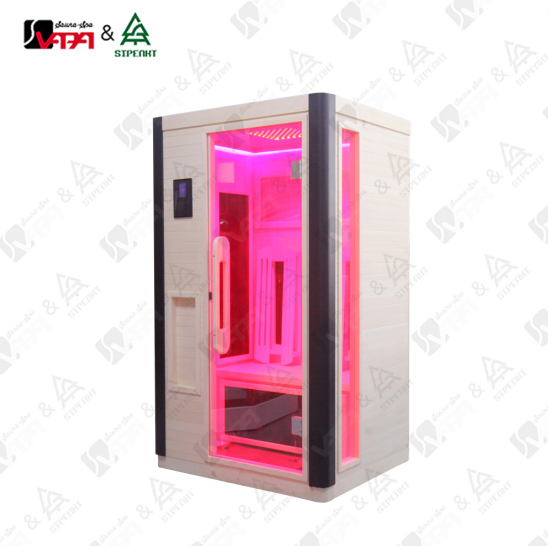
Infrared saunas use infrared heating elements to transfer radiant heat to users. Their cabin design, heating configuration and control systems differ from those of traditional saunas. Buyers comparing these products should review the specifications and intended application of each model. See the infrared sauna range.
Steam rooms and steam sauna solutions emphasize a humid environment and therefore have different requirements for moisture management, surface materials, sealing and installation. These considerations should be evaluated as part of the complete room design.
Outdoor and portable sauna products may address different space and installation needs. Portability, weather exposure, assembly and storage requirements can be particularly relevant depending on the design.
For distributors and project planners, this product diversity creates opportunities to serve different customer groups. The most suitable category depends on how the sauna will be used, the available installation conditions and the preferences of the target market.
Smart Controls, Heating Options and Product Personalization
Technology is an important consideration in contemporary sauna design, but buyers should focus on features that meet a real application need rather than treating every new feature as essential.
Depending on the model, sauna equipment may incorporate digital temperature controls, timers, adjustable operating settings or other convenience features. Some products may also offer connected controls or additional lighting and audio options. Availability varies by product, and buyers should confirm which functions are actually included in the quoted configuration.
Heating technology also influences product selection. Electric and wood-fired heaters, infrared heating systems and steam generators each involve different installation and operating requirements. The choice should reflect the intended environment, available utilities, local regulations and user expectations.
Customization is another consideration for distributors, brands and commercial project buyers. Depending on the manufacturer's capabilities, potential options may include dimensions, exterior finishes, cabin layouts, control configurations, branding and accessory packages.
However, customization should be specified clearly. Buyers should confirm which options are standard, which require additional charges and which need a drawing, sample or technical approval before production.
A useful way to evaluate a technology feature is to ask three questions:
Does it solve a practical problem for the intended user?
Is it compatible with the selected sauna and installation environment?
Can the manufacturer provide clear specifications and operating guidance?
This approach helps buyers distinguish meaningful product improvements from features that add complexity without serving a clear purpose.
For Vapasauna and other sauna manufacturers, the ability to explain product configurations clearly is an important part of supporting distributors and project customers across different markets.
Sustainability, Materials and Practical Product Design
Materials and operating requirements are increasingly important considerations when businesses compare sauna products. However, claims about environmental performance should be supported by relevant information rather than broad descriptions such as “eco-friendly” or “energy-saving.”
Wood selection, insulation, cabin construction, heater capacity and control settings can all influence how a sauna is designed and operated. These factors should be considered together rather than treated as independent indicators of efficiency or sustainability.
For example, a well-specified heating system should be appropriate for the cabin size and intended use. Insulation and door construction can influence heat loss, while operating habits and local energy costs affect ongoing expenses. A product's actual performance depends on the complete configuration and the conditions in which it is used.
Material selection also affects appearance, durability, cleaning and maintenance. Buyers should review product documentation to understand which materials are used, how surfaces should be cared for and whether the components are suited to the intended environment.
Accessories are another part of the overall product experience. For example, the VAPA Sauna SL004 Series Round Stainless Steel Sauna Spoon with Spout is a 304 stainless steel sauna accessory with a wooden handle. It can be considered as part of an accessory package for suitable sauna settings. Buyers should check the product's specifications and care instructions when including it in a project.
For distributors and commercial operators, selecting equipment and accessories as a coordinated package can simplify specification planning. The important point is to verify the actual materials, features and care requirements instead of relying on generic sustainability or durability claims.
What International Buyers Should Watch in China's Sauna Market
International buyers assessing the China sauna market should pay attention to the relationship between product demand, configuration options and the requirements of their target customers.
Rather than assuming that one product trend will dominate every market, buyers can monitor several practical developments:
Product segmentation: Understand which sauna categories are relevant to the intended customer base. Residential buyers, hospitality businesses and commercial wellness facilities may require different combinations of products.
Technology and usability: Evaluate whether controls, heating configurations and convenience features are appropriate for the product's intended environment. Clear specifications are more useful than vague claims about advanced technology.
Installation and documentation: Consider the information buyers and installers will need, including product dimensions, electrical requirements where applicable, operating instructions and relevant market documentation.
Product configuration: Look at whether the manufacturer offers a suitable combination of standard products, optional accessories and customization. The availability of specific options should be confirmed rather than assumed.
After-sales requirements: For commercial projects, manuals, replacement components, warranty terms and technical support can influence the long-term suitability of the product.
Market evidence: Use dated, clearly identified market research when discussing market size or forecasts. Pay attention to the segment being measured, the forecast period and the difference between historical estimates and projected outcomes.
For businesses working with Chinese manufacturers, these considerations help translate broad market information into more practical product decisions. They also provide a clearer framework for matching equipment to customer expectations without relying on unsupported growth claims.
Vapasauna serves different sauna and wellness equipment applications. By defining the target market and evaluating product specifications, international buyers can explore suitable configurations for their own distribution or project needs.
FAQS
: Demand may vary with residential wellness projects, hospitality and spa developments, available installation space, product design preferences and the requirements of different customer groups.
Common categories include traditional saunas, infrared saunas and portable sauna formats. The appropriate choice depends on intended use, available space, heating preferences and installation conditions.
Controls can influence convenience and ease of operation. Buyers should check which functions are available on the specific model and whether the system suits the intended residential or commercial environment.
Review the heater specifications, cabin dimensions, insulation, door construction and operating instructions. Comparisons are more meaningful when they use equivalent conditions and clearly documented performance information.
Consider the intended application, material, compatibility, cleaning requirements and whether the accessories are included in the quoted configuration.
Residential buyers may prioritize space, appearance and ease of use. Commercial buyers may place greater emphasis on capacity, operating frequency, maintenance access, staff instructions and project integration.
Confirm the model specifications, materials, heating arrangement, dimensions, included components, customization scope, installation requirements, delivery terms and relevant documentation for the destination market.
Customization depends on the manufacturer's capabilities and the specific model. Buyers should confirm available changes, minimum quantities, costs, sample or drawing approval procedures and production requirements before placing an order.
Conclusion
China's sauna bath market includes traditional sauna rooms, infrared equipment, steam solutions and other products designed for residential and commercial settings. Understanding the distinctions between these categories helps businesses identify opportunities that align with their customers rather than relying on broad assumptions about market growth.
Technology, customization, materials and practical installation requirements all contribute to product selection. The relevance of each factor depends on the intended application, local conditions and the expectations of the buyer.
Vapasauna offers sauna and wellness equipment options for different project requirements. International buyers can begin with the available product range, review the specifications and confirm which configuration best fits their target market.
A clear understanding of market segments and product requirements provides a more reliable foundation for evaluating opportunities in China's sauna industry.