request to quote
Leave Your Message
0%

Picking a cold plunge isn’t just about grabbing the biggest tub or the lowest price. In 2026, buyers have to compare a few more things — insulation, water circulation, temperature control, how easy it is to get to things for maintenance, and what installation actually requires. That’s where this Custom Cold Plunge Tub Buying Guide comes in: it lays out a practical way to evaluate custom designs before you place an order.

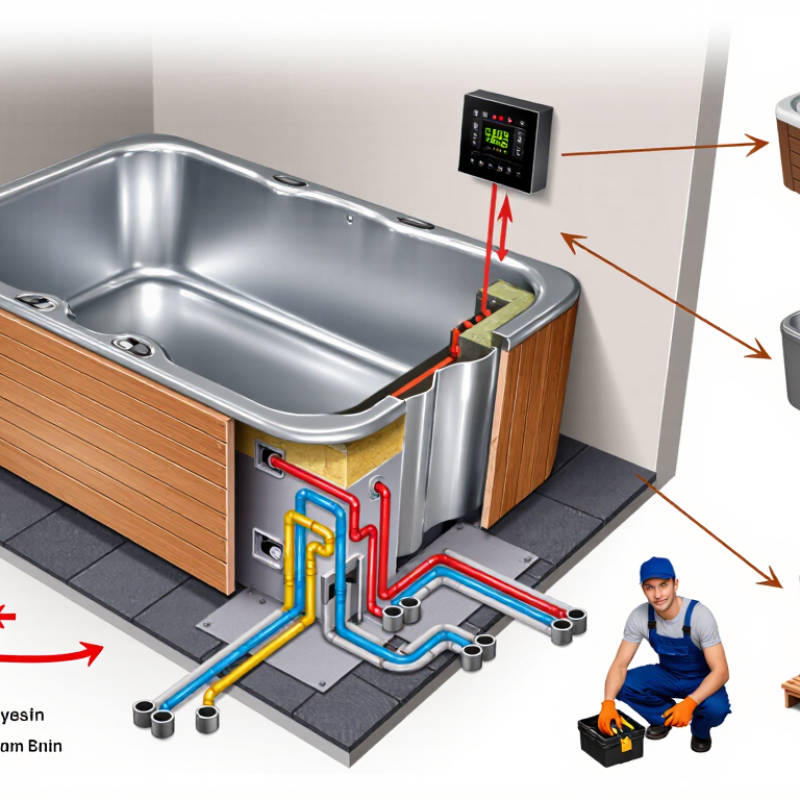
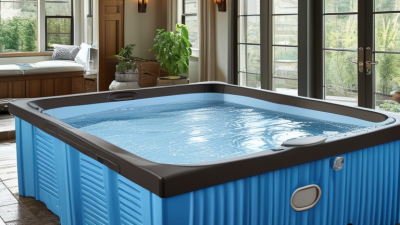
Honestly, a good tub should fit you, your space, and how you'll actually use it. Before anything else, measure the floor space you've got, check the doorway width, figure out where the drainage goes, and don't forget the electrical hookup. If it's going in a home gym, a compact plunge might be just right; taller folks may want to look at a deeper model for comfort. And yeah, pay attention to materials too—fiberglass, stainless steel, and sealed wood all clean up differently, hold up differently, and look pretty different too. A Wooden Tub Hot Tub really does have that warm, natural look—but the treatment and moisture control? Those are things you’ll want to look at carefully. You know, cold water still needs to stay clean and consistently managed. So ask the manufacturer about filtration, sanitation, insulation thickness, warranty coverage, and replacement parts. And if you can, test the control panel too. Honestly, it’s the small details that matter.

Don’t just go by flashy specs. In real life, you often run into limits the product page never mentions—pump noise, condensation, slow service, stuff like that. And honestly, some of your assumptions may turn out wrong once the thing is installed. Even a premium system can let you down if ventilation is bad or maintenance is a hassle. So look for suppliers who give you clear technical docs, realistic delivery times, and support that actually responds. Getting guidance from qualified installers can really cut down on electrical and drainage risks. This guide is all about what actually works—evidence, practical use, and long-term value—so buyers can choose a custom cold plunge with fewer expensive surprises.

2026 How to Choose a Custom Cold Plunge Tub Buying Guide

Define Your Cold Plunge Goals, Space, and User Requirements

Choosing a custom cold plunge begins with your actual routine, not a catalog image.

$6.3 trillion The Global Wellness Institute valued the global wellness economy at $6.3 trillion in 2023.
182 million Meanwhile, the ISPA 2024 U.S. Spa Industry Study recorded 182 million spa visits in 2023.

Demand is real, but personal use still matters more than market excitement.

Define your goal clearly: brief post-training cooling, a morning ritual, or shared household use. A single user may need a compact basin, insulated cover, steps, and simple draining. Two users require more interior space, stronger filtration, and a safer entry zone.

Measure doorways, floor load, drainage, electrical access, and service clearance. Leave room to open the cover fully. It sounds obvious. Many plans miss it.

Material choice should match the environment and maintenance time.

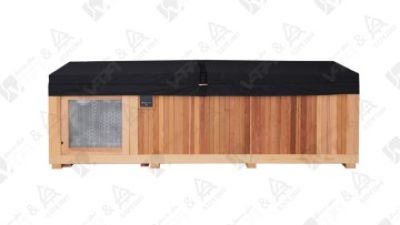
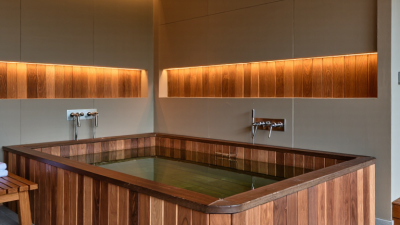
A wood exterior can suit a quiet garden, while steel can support a cleaner, more industrial installation.

The phrase “Hot Tub Wood Steel Hot Tub” may appear in searches, but cold-plunge specifications deserve separate evaluation.

Ask about insulation, liner durability, pump noise, water turnover, and replacement parts. For indoor placement, review moisture control with a qualified professional.

The CDC’s 2023 Model Aquatic Health Code offers useful water-quality principles, although it is not a private cold-plunge approval standard.

Research also has not established one ideal temperature or duration for everyone. My checklist would still be incomplete without considering user tolerance, supervision, and an easy emergency exit.

Compare Tub Types, Materials, Sizes, and Insulation Levels

# 2026 How to Choose a Custom Cold Plunge Tub Buying Guide

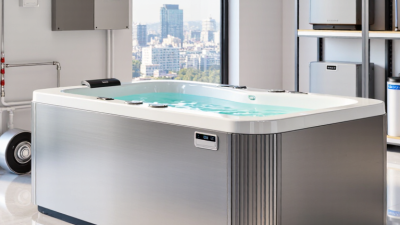
Choosing a custom cold plunge starts with the tub type. An upright model saves floor space and suits compact rooms. A chest-style tub offers easier entry and more room to move. Drop-in designs can match a built-in deck, but installation becomes more complex. Measure doorways, drainage points, and ceiling clearance before ordering. A beautiful tub is useless if it cannot enter the room.

Material affects durability, cleaning, and appearance. Stainless steel resists impact and feels highly durable, while fiberglass provides a smooth, shaped interior. Rotational-molded polyethylene is practical for outdoor use and tolerates rough handling. Check the drain position, surface finish, and access panel. These details matter during real maintenance. Size should match the tallest user, not the showroom impression. Extra water means extra weight, cleaning work, and cooling demand. Bigger is not always better.

**Tips:** Choose insulation based on climate and placement. Basic foam may suit a shaded indoor space. Full closed-cell insulation and a fitted cover better suit hot outdoor conditions. Ask for insulation thickness, not vague terms like “well insulated.” Also confirm how the system handles condensation and service access. No insulation plan is perfect. I would leave room for revision after one season, because weather and usage often expose assumptions. Keep a clear maintenance path around the tub. Small details become expensive later.

Evaluate Cooling Systems, Temperature Ranges, and Energy Use

# 2026 How to Choose a Custom Cold Plunge Tub Buying Guide

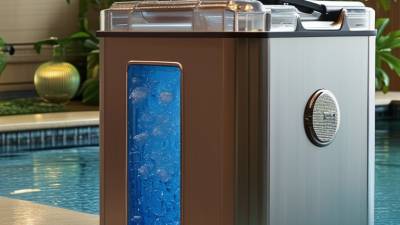
When choosing a custom Cold Plunge Tub, inspect the cooling system first. A dedicated compressor usually offers steadier temperatures than ice-only designs. However, performance depends on insulation, ambient temperature, water volume, and cover quality. Look for adjustable control between approximately 5°C and 15°C. Lower is not automatically better. Confirm the system’s operating range before purchase, especially for outdoor installation.

Energy use deserves careful attention. The U.S. Energy Information Administration’s 2020 Residential Energy Consumption Survey found that space heating used 42% of household energy, water heating used 19%, and air conditioning used 9%. A plunge tub adds another cooling load. Ask for rated wattage, daily kWh estimates, and testing conditions. Then measure real consumption with a certified plug-in energy meter. A well-insulated shell and fitted cover can reduce compressor cycling, though actual savings vary. The calculation is imperfect. Weather changes everything.

**Tips:** Choose thick insulation and a tight cover. Compare noise ratings beside bedrooms. Check whether the controller shows water temperature clearly. Review the cooling rate after a full refill, not an empty-tub demonstration. Keep a seven-day energy log during typical use. ASHRAE’s HVAC guidance emphasizes that equipment sizing depends on heat gain, insulation, and operating conditions, so a larger chiller is not always more efficient. A smaller, properly matched system may run more consistently, but this requires careful specification.

2026 How to Choose a Custom Cold Plunge Tub Buying Guide - Evaluate Cooling Systems, Temperature Ranges, and Energy Use

Evaluation Dimension Ice-Only System Thermoelectric Cooling Compressor Cooling Recommended Buying Check
Cooling method Ice is added directly to the water; no active refrigeration. Solid-state heat transfer using thermoelectric modules and fans. Refrigerant-based heat pump removes heat through a compressor and heat exchanger. Choose the system according to target temperature, cooling speed, available space, and operating budget.
Typical achievable water temperature Approximately 0–15°C, depending on ice quantity, tub volume, and ambient conditions. Approximately 10–18°C for many consumer-sized installations. Approximately 3–15°C when correctly sized and adequately insulated. Confirm the guaranteed minimum temperature under the intended room or outdoor temperature.
Temperature adjustment Manual; temperature changes as ice melts. Usually adjustable through a digital controller, with a narrower cooling range. Usually adjustable through a thermostat or digital controller, often with more stable control. Look for a clear set-point display, temperature calibration, and an overcooling safety limit.
Cooling speed after filling Immediate cooling after ice is added; requires manual replenishment. Slow to moderate; performance decreases as the temperature difference increases. Moderate to fast; actual time depends on water volume, insulation, ambient temperature, and cooler capacity. Ask for a tested cool-down time using a stated water volume and starting temperature.
Typical daily electricity use Approximately 0 kWh/day at the tub; electricity may be used indirectly to produce or purchase ice. Approximately 0.3–1.5 kWh/day for maintaining temperature in a covered, insulated tub. Approximately 1.5–8 kWh/day for maintaining temperature, depending strongly on climate, cover use, insulation, and set point. Treat energy figures as estimates; request test conditions and calculate cost using the local electricity rate.
Energy-efficiency factors Ice quantity, ice production method, water volume, and frequency of use. Ambient temperature, fan airflow, insulation, water circulation, and set point. Compressor efficiency, refrigerant circuit, insulation, cover quality, ambient temperature, and set point. Prioritize a well-insulated shell and tight-fitting cover before comparing small differences in rated power.
Electrical requirement No electrical connection is required for cooling, although lighting or circulation may need power. Typically a standard grounded household outlet; verify voltage, amperage, and required residual-current protection. Typically a dedicated or properly rated grounded circuit may be required, depending on the cooler and local electrical code. Confirm plug type, rated current, cable length, outdoor suitability, and protection against electric shock.
Operating noise Nearly silent, except for optional pumps or filters. Usually low to moderate fan noise. Usually moderate compressor and fan noise; sound varies with enclosure and mounting. Request a measured decibel rating and check whether it was recorded at one meter under normal operation.
Filtration and sanitation Usually requires manual cleaning and separate water treatment. May include a circulation pump, cartridge filter, and optional sanitation system. Commonly paired with continuous circulation, mechanical filtration, and a compatible sanitation method. Check filter accessibility, replacement intervals, flow rate, drain design, and compatibility with the proposed sanitizer.
Water circulation Not required unless a separate pump or filter is installed. Recommended for even temperature distribution and heat transfer. Required for efficient heat exchange and consistent temperature readings. Verify minimum and maximum flow requirements and ensure the pump can be serviced without draining the entire tub.
Insulation recommendation Insulated walls and a fitted cover reduce melting and ice replacement. Use insulated walls, a sealed cover, and shaded placement to reduce heat gain. Use insulated walls, an insulated base, sealed plumbing, and a fitted cover to limit compressor runtime. Prefer a documented insulation specification rather than relying only on exterior appearance.
Suitable use case Occasional use, low initial budget, and locations without convenient power. Small to medium tubs, moderate cooling requirements, and users prioritizing low noise. Frequent use, precise temperature control, larger water volumes, and year-round operation. Match the system to weekly usage, desired water temperature, climate, and available maintenance time.
Custom design considerations Allow space for ice loading, drainage, and safe manual cleaning. Provide ventilation around the heat-rejection side and keep air inlets unobstructed. Provide service clearance, ventilation, condensate management, plumbing access, and protection from weather. Finalize dimensions, water volume, access panels, drainage, electrical routing, and service clearances before fabrication.
Best overall selection guideline Best when simplicity and minimal equipment cost are more important than automation. Best when moderate cooling and relatively low power demand are the main priorities. Best when stable low temperatures, repeatable performance, and frequent use justify higher equipment complexity. Compare total ownership cost, including electricity, filters, water treatment, maintenance, installation, and replacement parts.
Data note: Temperature and energy figures are typical planning ranges rather than performance guarantees. Actual results vary with tub volume, starting water temperature, ambient conditions, insulation, cover use, filtration runtime, set point, and frequency of use. Always verify installation requirements and follow local electrical and water-safety regulations.

Check Water Filtration, Sanitation, Drainage, and Maintenance Features

2026 How to Choose a Custom Cold Plunge Tub Buying Guide

When choosing a custom cold plunge tub, inspect water filtration before judging its appearance. A properly sized filter should capture hair, skin particles, and other debris without restricting circulation. Look for accessible filter housings, clear replacement guidance, and a pump that supports steady water movement. Ask how often filters need cleaning under regular household use. Small details matter.

Sanitation features deserve equal attention. Check whether the system supports measured disinfectant use, automatic dosing, or compatible water-treatment equipment. Avoid vague claims such as “self-cleaning” without technical instructions. The drainage design should empty the basin fully, including low corners where stagnant water may remain. A sloped floor, removable drain cover, and reachable outlet can simplify maintenance. With a Hot Tub Cold Plunge setup, shared use makes cleaning routines even more important.

Tips:
  • Choose easy access.
  • Inspect the drain path.
  • Confirm replacement costs.
  • Keep a maintenance log.

During routine care, wipe the waterline and inspect seals for cracking. Do not rely only on clear-looking water. It may still require testing. A custom design can look impressive, yet awkward filter access may become frustrating after several weeks. Recheck the service space, drainage route, electrical requirements, and cleaning instructions before ordering. A short video of the maintenance process can reveal problems that product photos hide.

Review Safety Controls, Installation Needs, Warranty, and Support

When choosing a Cold Ice Plunge Tub, inspect safety controls before comparing appearance or water temperature. Look for a residual-current device (RCD/GFCI), emergency shutoff, water-level sensor, and automatic thermal protection. Electrical work should be assessed by a qualified electrician, especially in damp areas. NFPA’s Home Structure Fires report found electrical distribution and lighting equipment involved in 24% of reported U.S. home structure fires from 2016–2020. That figure is not plunge-tub specific, but it explains why protection cannot be an afterthought.

Installation needs are equally practical. Measure the doorway, filled-floor load, drainage route, and ventilation space around the chiller. A full tub can become extremely heavy. Check whether the floor can support it. Outdoor placement also needs weather protection, a stable base, and safe cable routing. Do not assume a standard household outlet is suitable. Ask for the required circuit, plug protection, noise level, and operating clearance in writing.

Warranty wording deserves slow reading. Confirm coverage for the shell, pump, chiller, seals, and control panel separately. Check labor coverage, replacement-part shipping, exclusions, and expected response times. The FTC’s Consumer’s Guide to Warranties advises reviewing written warranty terms rather than relying on sales promises. A long warranty can still be weak. I would also request a service manual, installation diagram, and escalation contact before payment. Support matters most when water is leaking on a Sunday.

Calculate Total Ownership Costs Before Choosing Your Custom Tub

2026 How to Choose a Custom Cold Plunge Tub Buying Guide

Calculate total ownership costs before choosing your custom tub. The purchase price is only one line. Add delivery, site preparation, drainage, electrical work, water treatment, filters, cleaning supplies, repairs, and eventual replacement parts. A practical estimate should separate fixed costs from monthly operating costs. Use a spreadsheet, not a showroom estimate.

For example, assume a 1.2-kilowatt chiller runs four equivalent full-load hours daily. A 0.15-kilowatt circulation pump runs eight hours daily. Together, they use about 2,190 kilowatt-hours yearly. At the U.S. Energy Information Administration’s 2024 residential average of 16.48 cents per kilowatt-hour, electricity costs roughly $361 annually. Real usage may differ with weather, insulation, water temperature, and cover quality. That estimate is imperfect, but visible assumptions are better than false precision.

Water losses also deserve attention. The U.S. Environmental Protection Agency’s WaterSense program estimates household leaks can waste nearly 10,000 gallons annually. A slow fitting leak may raise water bills and damage nearby flooring. Check the drain path, hose connections, and overflow design before installation. Ask for written service intervals and replacement prices for filters, seals, pumps, and sensors. A custom 240-volt circuit or reinforced platform can change the budget sharply. I would leave a repair reserve, even when the tub appears simple.

Vapasauna CT028 Ice Tub Guide: Home Recovery with a Powerful 1HP Chiller

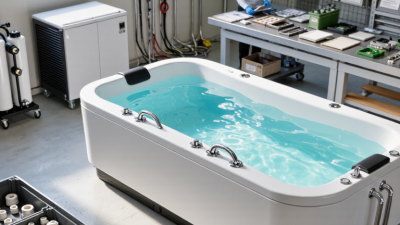
A cold plunge tub can bring a refreshing recovery routine into the comfort of home. Designed for convenient use, this type of tub combines a spacious soaking area with a powerful 1HP chiller that helps maintain a consistently cold water temperature. Instead of relying on ice for every session, users can adjust the water according to their preferred level and prepare the tub with less effort. Its compact home-friendly design also makes it suitable for a bathroom, fitness room, patio, or dedicated wellness space.

Before entering, check the water temperature and begin with a short session, especially if you are new to cold exposure. Sitting calmly in the tub can help create a focused post-workout ritual, while the cooling sensation may leave the body feeling refreshed after exercise. Keep the surrounding floor dry, follow the equipment instructions, and clean the water regularly to support a comfortable experience. People with health concerns should seek professional medical advice before beginning cold-water sessions. With simple temperature controls and a dependable chilling system, a cold plunge tub makes it easier to build a consistent recovery habit at home.

FAQS

How should I define my cold plunge goals?

Decide whether you want post-training cooling, a morning ritual, or shared household use. Start with your routine. A single user may need a compact basin, cover, steps, and simple drainage. Shared use requires more interior space and stronger filtration. My own checklist might still miss changing habits.

What space should I measure before installation?

Measure doorways, floor capacity, drainage, electrical access, and service clearance. Leave enough room to open the cover fully. A filled tub becomes extremely heavy. Check the floor carefully. Outdoor setups need a stable base, weather protection, and safe cable routing.

Which construction details deserve close attention?

Compare insulation, liner durability, pump noise, water turnover, and replacement parts. Wood can suit a quiet garden. Steel may fit a cleaner, industrial setting. For indoor use, review moisture control with a qualified professional. Appearance is not enough.

What safety features should a custom cold plunge include?

Look for residual-current protection, an emergency shutoff, a water-level sensor, and automatic thermal protection. Electrical work needs qualified assessment. Damp areas increase concern. Do not assume a standard outlet works. Ask for circuit requirements in writing.

How can I prepare the installation area?

Confirm the required circuit, plug protection, noise level, ventilation, and operating clearance. Plan the drainage route before delivery. Protect cables from weather and standing water. Keep the exit easy to reach. Small oversights become expensive.

What should I check in the warranty?

Review coverage for the shell, pump, chiller, seals, and control panel separately. Check labor coverage, exclusions, replacement-part shipping, and response times. Request installation diagrams and service instructions before payment. A long warranty may still be weak.

How much will ownership cost beyond the purchase price?

Include delivery, site preparation, drainage, electrical work, filters, water treatment, cleaning supplies, repairs, and replacement parts. Use a spreadsheet. For example, a 1.2-kilowatt chiller and 0.15-kilowatt pump may use about 2,190 kilowatt-hours yearly. At 16.48 cents per kilowatt-hour, that is roughly $361 annually. Actual usage varies.

How should I plan maintenance and water loss?

Ask for written service intervals and replacement prices for filters, seals, pumps, and sensors. Check hose connections, drain fittings, and overflow design. A slow leak can damage nearby flooring. Leave a repair reserve. I would not skip it.

Conclusion

This Custom Cold Plunge Tub Buying Guide explains how to choose a tub that fits your wellness goals, available space, and daily usage needs. Start by deciding whether you need a compact personal unit or a larger model for shared use, then compare tub styles, construction materials, dimensions, and insulation quality. These factors affect comfort, durability, temperature stability, and installation requirements.

Next, evaluate the cooling system, temperature range, operating noise, and energy consumption. A reliable filtration and sanitation setup can simplify water care, while practical drainage and cleaning features reduce maintenance time. Safety controls, secure access, electrical requirements, warranty coverage, and customer support should also be reviewed before purchase. Finally, calculate total ownership costs, including delivery, installation, electricity, water treatment, replacement parts, and routine upkeep. Comparing both the initial price and long-term expenses will help you select a custom cold plunge tub that is safe, efficient, comfortable, and suitable for consistent use.

Sophia

Sophia

Sophia is a dedicated marketing professional with extensive expertise in the field, currently driving the growth and visibility of a leading manufacturing company located in Huizhou, China. With over 10,000 square meters of state-of-the-art manufacturing facilities and a strong team of more than 20......
Previous How To Import Cold Plunge Tubs From China?