So you want to import Cold Plunge Tubs from China? Well, it all starts with evidence—not just pretty factory photos. I mean, sure, China has huge manufacturing capacity, prices can be competitive, and you can get designs customized. But here's the catch: quality can vary a lot, and it's often hidden deep inside the stainless-steel walls, insulation layers, pumps, and control panels.
So, the Global Wellness Institute put the global wellness economy at $6.3 trillion back in 2023. And they think it could hit $9 trillion by 2028. McKinsey's Future of Wellness research backs this up too—wellness is now a big priority for consumers. All of that does suggest there’s demand for Cold-Plunge Tubs, sure. But here’s the thing: it doesn’t automatically mean importing them will be profitable. Look, product positioning, shipping costs, certifications, and after-sales service — these things still have a huge say in how well you do commercially. And honestly? The little details matter.
Honestly, if you're serious about importing, don't just skim the specs. You'll want to compare things like water-temperature ranges, how fast it cools, filtration systems, electrical ratings, drain designs, how sturdy the packaging is, and whether replacement parts are easy to find. Ask for test reports, production samples, factory videos, and a written quality-control plan. And if you want some extra peace of mind, Intertek, SGS, and TÜV Rheinland can do independent inspections or testing - it just depends on where you're selling.
Import rules? They vary by country—and by how the product is set up. For electrical safety, you might be dealing with standards like IEC 60335-1, and local certification rules can pile on extra obligations. So yeah, always check with qualified customs and compliance folks. That step can feel slow, I know. But it’s usually cheaper than fixing a shipment that failed.
Factory claims? Yeah, they aren't proof. Grand View Research and other market analysts say wellness is growing fast, but honestly, the published market estimates are all over the place. That uncertainty is worth paying attention to. If you're putting together a practical sourcing plan, I'd test one production batch, check every critical component, and figure out the landed cost before you scale. And even then, mistakes can still happen—careful prep or not. So yeah, that's why responsible importing isn't just about one thing — it's really a blend of supplier experience, technical checks, and realistic financial assumptions.
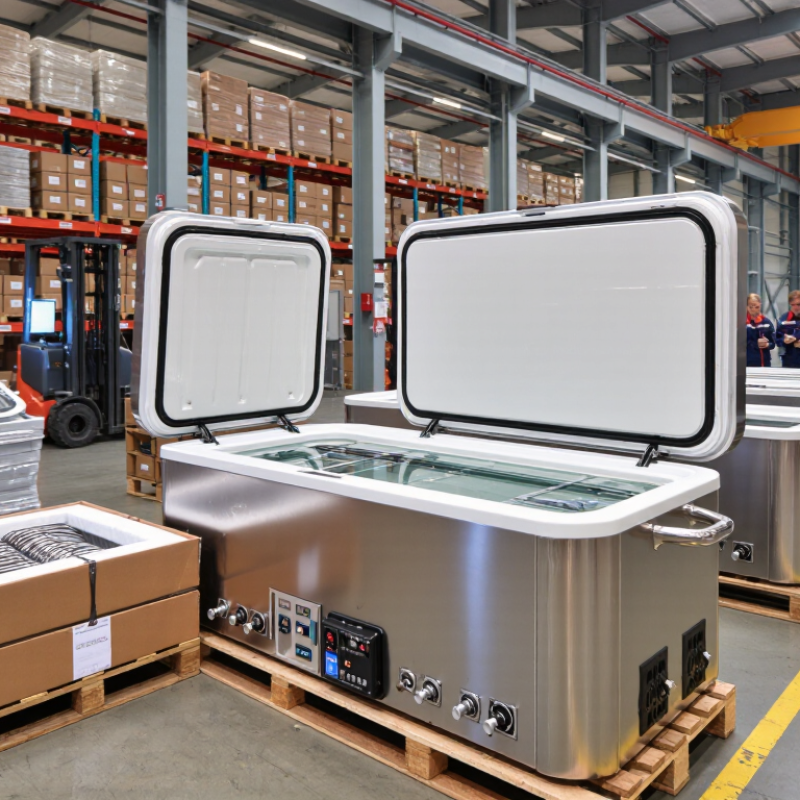
Before contacting Chinese suppliers, define the operating scene for your Ice Bath Cold Plunge Tubs. A hotel, recovery studio, and private home need different specifications. Record the target water temperature, tub volume, cooling time, daily users, indoor or outdoor placement, and available electrical supply. Include voltage, frequency, plug type, drainage access, noise limits, and maximum floor load. A 400-liter tub filled with water can exceed 450 kilograms.
Energy use deserves careful attention. The U.S. Energy Information Administration reports that water heating represents about 18% of residential energy consumption. Cold-plunge equipment also uses compressors, pumps, and filtration systems. Therefore, request measured power consumption, standby demand, and performance data at defined ambient temperatures. Do not accept “energy-saving” as a specification. Ask for test conditions.
The Global Wellness Institute valued the global wellness economy at approximately $6.3 trillion in 2023. This growth does not remove the need for technical discipline. Prepare a supplier checklist covering stainless-steel grade, insulation thickness, filter replacement intervals, refrigerant information, leak testing, packaging dimensions, spare parts, and destination-market electrical documentation. Request drawings and a sample inspection before placing a large order. I once treated shipping dimensions as a minor detail; that mistake can create unexpected warehouse and delivery costs. Recheck every measurement.
This illustrative planning baseline shows the estimated working days for defining product requirements, validating technical documents, manufacturing, inspection, and completing sea freight and customs procedures. Actual timing depends on product complexity, order quantity, destination country, and shipping conditions.
Demand is moving beyond spas and into homes, hotels, and recovery facilities.Grand View Research estimated the global Cold Plunge Pool market at aboutUS$320 million in 2023, with continued growth expected through 2030. The Global Wellness Institute valued the wider wellness economy at US$6.3 trillion in 2023. These figures explain the crowded supplier market, but they do not prove product quality.
Start with a shortlist of Chinese manufacturers with traceable factory addresses, export records, and documented production capabilities. Request a live video inspection, production photos, and a sample unit. Check the cooling range, compressor specification, filtration layout, insulation thickness, drainage design, noise level, and power requirements. Ask for the bill of materials and independent electrical or electromagnetic test reports required for your destination market. A polished showroom can still hide weak quality control.
Use a third-party factory audit before placing a large order. Review incoming-material checks, waterproofing tests, final inspection records, spare-parts storage, and warranty procedures. Confirm whether the quoted price includes packaging, testing, and replacement components. No checklist is perfect; I would still test a sample through repeated heating and cooling cycles. Small details matter, such as a loose drain fitting or unclear wiring label. Also compare response times and technical answers. Reliable manufacturers explain limitations instead of promising everything.
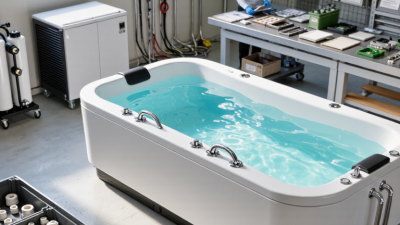
When sourcing Cold Plunge Tubs Insulated for export, verify construction before discussing price. Request clear photos of the inner shell, insulation layers, plumbing, control box, and compressor area. Check whether the tub uses closed-cell foam, sealed fittings, and corrosion-resistant materials. Ask for wall-thickness measurements, insulation density, and water-leak test records. Do not accept generic factory photos as proof.
Certifications must match your destination market and the exact model. Request reports showing the model number, testing laboratory, test date, and applicable standards. For electrical tubs, review protection against electric shock, grounding, waterproofing, and control-panel safety. Confirm whether the supplied plug, voltage, frequency, and refrigerant comply with local requirements. A certificate for another product is not sufficient. Paperwork can look convincing.
Inspect the factory’s quality system, not just its showroom. Ask for production flow charts, incoming-material checks, assembly records, and final inspection forms. A video audit can reveal crowded workstations, poor drainage, or inconsistent labeling. An independent pre-shipment inspection should test water circulation, cooling performance, electrical functions, packaging, and serial plates. Include acceptance limits in the purchase contract. Even a clean inspection has limits; hidden defects may appear after repeated use. Keep spare seals and installation instructions in the shipment. Supplier answers may remain vague, and that is a warning worth recording.
# How To Import Cold Plunge Tubs From China?
The landed cost matters more than the factory quotation. For Portable Inflatable Cold Plunge Tubs, record the unit price, packaging, inspection, inland transport, export handling, insurance, and ocean freight. UNCTAD’s *Review of Maritime Transport 2023* states that over 80% of global merchandise trade by volume moves by sea. Freight remains exposed to fuel prices, port congestion, and route changes. A forwarder’s quote is useful, but it is not permanent.
Use this working example. A tub costs $480, export transport costs $35, freight costs $90, and insurance costs $5. The customs value becomes approximately $610. If the confirmed duty rate is 6%, duty equals $36.60. With a hypothetical 20% VAT, calculated on customs value plus duty, tax becomes $129.32. The pre-delivery total reaches $790.92 before destination handling and storage. Check the math carefully.
The duty rate depends on the correct HS classification, material, product design, origin rules, and destination country. Never copy a supplier’s tariff assumption without verification. Request a binding tariff decision when available. Customs value may also include assists, tooling, or commissions. This is often missed. Incoterms change responsibility, not necessarily the final cost. Under DDP, ask who legally handles import clearance and tax payment. The first estimate is rarely perfect. A small error in classification can affect the entire shipment. Keep commercial invoices, packing lists, transport documents, and test records consistent. Your customs broker should review them before dispatch.
Before ordering cold plunge tubs from China, match the shipping method to your order size, urgency, and destination facilities. Sea freight usually suits large shipments because tubs occupy considerable space. Full-container shipping offers better control, while less-than-container loads may reduce costs for smaller orders. Air freight is faster, but its price can be difficult to justify. Rail or multimodal transport may work for certain destinations. Ask the forwarder for a written quotation showing freight, port fees, customs handling, and final delivery.
Prepare import documents before production ends. The commercial invoice should list the product description, quantity, unit price, currency, and agreed Incoterm. The packing list should show carton numbers, dimensions, gross weight, and net weight. You may also need a bill of lading, certificate of origin, and product conformity records. If the tub includes pumps, heaters, control panels, or other electrical parts, check whether your country requires safety testing or special declarations. Customs rules vary. Confirm the correct HS code with a qualified customs broker.
Review every document against the physical shipment. One wrong carton count can delay clearance. That detail is easy to overlook. Request clear photos of labels, packaging, and serial information before loading. I would not rely only on a supplier’s document template; requirements can change by country and product configuration. Keep digital and printed copies, and allow extra time for inspections, corrections, or missing paperwork.
| Category | Option or Document | Typical Details | When It Is Suitable | Important Preparation Notes |
|---|---|---|---|---|
| Shipping Method | Sea Freight — FCL | Full container load; commonly transported in 20-foot or 40-foot containers. Main carriage often takes about 20–45 days, excluding port delays and customs clearance. | Large orders, repeated imports, or shipments containing many bulky tubs and accessories. | Confirm container internal dimensions, cargo volume, loading plan, export port, destination port, and the agreed Incoterm before booking. |
| Sea Freight — LCL | Less-than-container-load service; cargo is consolidated with shipments from other importers. Transit commonly takes about 25–50 days, excluding local handling and clearance. | Small or trial orders when the cargo does not fill a container. | Request a complete quotation including origin charges, destination charges, terminal fees, documentation fees, and customs brokerage. | |
| Rail Freight | Multimodal rail service between China and selected inland or European destinations. Transit is often faster than ocean freight but route availability varies. | Land-connected destinations where delivery speed is important and the route is operational. | Verify current route availability, border procedures, cargo insurance, and whether the service includes final-mile delivery. | |
| Air Freight or Express | Usually the fastest option, often taking approximately 3–10 business days for international carriage, subject to customs and local delivery. | Samples, replacement parts, urgent accessories, or compact units with a high time value. | Compare actual weight and volumetric weight. A full-size tub may be expensive to ship by air because of its large package volume. | |
| Commercial Documents | Commercial Invoice | Normally includes seller and buyer details, invoice number and date, product description, quantity, unit price, total value, currency, Incoterm, and country of origin. | Required for customs valuation and import clearance. | Use a precise description such as “insulated cold-water bathing tub with electric filtration and cooling components,” where accurate. Avoid vague descriptions. |
| Packing List | Lists package quantity, carton or crate numbers, gross and net weight, package dimensions, and contents of each package. | Used by freight forwarders, customs authorities, warehouses, and receiving teams. | Ensure the dimensions and weights match the shipping booking and commercial invoice. | |
| Bill of Lading or Air Waybill | Transport document showing shipper, consignee, notify party, ports or airports, package count, cargo description, and freight terms. | Issued by the carrier or freight forwarder after shipment is booked or dispatched. | Check the consignee name, destination, package count, and cargo description before accepting the final document. | |
| Certificate of Origin | Identifies the country where the goods were manufactured or substantially transformed. | May be requested by customs or used to support preferential tariff treatment where an applicable trade agreement exists. | Confirm whether the destination country requires a specific form, issuing authority, legalization, or electronic submission. | |
| Insurance Certificate | Evidence of cargo insurance coverage, insured value, voyage or route, risks covered, and claims procedure. | Recommended for high-value, fragile, moisture-sensitive, or long-distance shipments. | Confirm whether coverage includes water damage, impact, theft, loading, unloading, and concealed damage. | |
| Compliance and Product Information | Correct HS Classification | The classification may depend on the tub structure, electric cooling equipment, filtration system, and how the product is presented for import. | Needed to determine duty rates, taxes, permits, and statistical reporting requirements. | Obtain a ruling or written confirmation from the destination customs authority or a qualified customs broker when classification is uncertain. |
| Product Specification Sheet | Should state dimensions, capacity, materials, insulation, temperature range, electrical rating, refrigerant details, filtration system, and included accessories. | Supports customs review, safety assessment, installation, and after-sales service. | Make sure technical data is consistent with the invoice, packaging, product labels, and test reports. | |
| Electrical Compliance Documents | Depending on the destination, documents may include test reports, declarations of conformity, plug and voltage information, and electrical safety records. | Important for tubs containing pumps, chillers, control panels, UV systems, or other powered equipment. | Check the destination market’s voltage, plug, grounding, residual-current protection, labeling, and mandatory certification rules before ordering. | |
| Refrigerant and Battery Information | Provide refrigerant type and charge quantity for cooling units. Declare any lithium batteries or other regulated components if included. | Required for transport safety, environmental controls, and customs or carrier review. | Ask for safety data and transport declarations where applicable. Do not assume that a product is non-regulated without checking its components. | |
| Wood Packaging Compliance | Solid-wood pallets, crates, and dunnage may need treatment and an internationally recognized wood-packaging mark. | Relevant when tubs are shipped in solid-wood packaging. | Use compliant packaging or confirm that the packaging is exempt, such as qualifying processed wood materials. | |
| Importer Preparation | Importer Registration | Many destinations require an importer number, tax registration, customs account, or local business registration before entry. | Required before the customs declaration can be submitted. | Complete registration early and verify that the importer name matches the invoice, transport document, and customs account. |
| Customs Broker or Freight Forwarder | A licensed professional can coordinate booking, customs entry, duty calculation, document submission, and delivery. | Useful for first-time importers, complex equipment, or shipments with multiple compliance requirements. | Request a written quote that separates freight, origin charges, destination charges, customs fees, taxes, storage, and delivery. | |
| Landed-Cost Calculation | Total cost may include product price, inland transport, export charges, freight, insurance, duty, import tax, brokerage, port fees, storage, and final delivery. | Used to compare suppliers and shipping methods accurately. | Calculate costs using the correct customs value and confirm which charges are included under the selected Incoterm. | |
| Pre-Shipment Inspection | Inspection can verify quantity, dimensions, packaging, electrical specifications, visible damage, accessories, and basic functional performance. | Recommended before paying the balance or releasing cargo for larger orders. | Use an agreed inspection checklist and retain photographs, serial references, test results, and packing evidence. | |
| Recommended Sequence | Confirm product specifications and destination requirements → determine the likely HS classification → compare FCL, LCL, rail, air, or express quotations → calculate landed cost → prepare importer registration and documents → inspect and pack the goods → book transport → submit customs entry → arrange final delivery and installation. | |||
Receiving imported tubs requires more than counting cartons. Prepare a dry, level unloading area before the shipment arrives. Keep the packing list, commercial invoice, and transport documents nearby. Photograph every pallet before opening it. Note crushed corners, water stains, broken straps, or missing labels immediately. Small details can support a later freight claim.
Inspect each unit under bright light. Check the shell, insulation, drain fittings, control panel, power cable, and accessories against the approved specification. For Stainless Steel Cold Tubs, examine welds and surface finish carefully. Remove protective film slowly, because hidden scratches may appear underneath. Record serial numbers and connect only qualified electrical components according to local requirements. Do not rely on appearance alone. Our first checklist was too general, and it missed loose fittings. That mistake changed our inspection process.
Before distribution, quarantine damaged or incomplete units in a clearly marked area. Store saleable tubs indoors, away from direct sunlight, standing water, and moving equipment. Use corner protection during local delivery. Give each customer an inspection record, setup instructions, and safe handling guidance. Keep photos, test notes, and delivery signatures in one file. Inventory software helps, but a handwritten backup still has value when the warehouse network fails. Recheck the packing method after the first few deliveries, because real handling often exposes weaknesses that factory samples do not show.
Cold plunging is moving from a niche recovery practice into the broader wellness economy, reflecting growing consumer interest in proactive, at-home health routines. According to the Global Wellness Institute’s *2024 Global Wellness Economy Monitor*, the global wellness economy reached approximately $6.3 trillion in 2023 and is projected to approach $9 trillion by 2028. This expansion highlights strong demand for accessible experiences that support physical recovery, stress management, and everyday wellbeing. Cold-water immersion is increasingly included in contrast-therapy and recovery programs, although users should approach temperature exposure gradually and follow appropriate safety guidance.
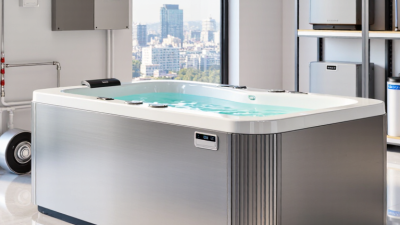
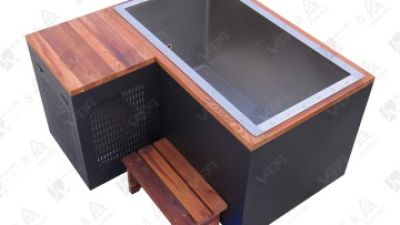
For households and wellness facilities seeking a durable cold-plunge solution, construction quality is essential. This Cold Tub uses robust 1.2 mm thick 304 stainless steel, offering strong resistance to corrosion and daily wear. Its galvanized-sheet outer frame adds structural support and helps protect the unit against rust in humid environments. The combination of stainless-steel construction and a reinforced exterior makes it suitable for regular use in home recovery spaces, fitness studios, and wellness-focused settings. As the wellness market continues to prioritize convenient, design-conscious equipment, a reliable cold tub can provide a practical foundation for creating a consistent recovery ritual.
Build a shortlist using traceable factory addresses, export records, and documented production capabilities. Request a live video inspection and sample unit. Check cooling range, compressor details, filtration, insulation, drainage, noise, and power needs. A polished showroom proves very little.
Ask for incoming-material checks, waterproofing tests, final inspection records, and warranty procedures. Review spare-parts storage and replacement policies. Use an independent factory audit before placing a large order. No checklist is perfect.
Yes. Test repeated heating and cooling cycles when possible. Inspect loose drain fittings, unclear wiring labels, and unusual noise. Record results with photos and dates. Our original checklist was too general, and it missed loose fittings.
Sea freight usually suits large orders because tubs occupy considerable space. Full-container shipping offers stronger shipment control. Less-than-container shipping may reduce costs for smaller orders. Air freight is faster, but often expensive. Rail or multimodal transport may suit certain destinations.
Request written details for freight, port fees, customs handling, and final delivery. Confirm the shipping method, destination, delivery terms, and estimated timing. Cheap quotes can exclude important charges. That creates unpleasant surprises.
Prepare a commercial invoice, packing list, and transport documents before production ends. You may also need a bill of lading, origin certificate, and conformity records. Electrical parts may require safety testing or special declarations. Confirm the correct HS code with a qualified customs broker.
Prepare a dry, level unloading area before delivery. Photograph every pallet before opening it. Record crushed corners, water stains, broken straps, and missing labels. Inspect the shell, insulation, drains, controls, cables, and accessories under bright light. Small details matter.
Quarantine damaged or incomplete units in a clearly marked area. Store usable tubs indoors, away from sunlight, standing water, and moving equipment. Use corner protection during local delivery. Provide setup instructions, safe handling guidance, and an inspection record. Keep digital and printed records.
How To Import Cold Plunge Tubs From China begins with clearly defining your importing requirements, including tub size, materials, cooling performance, electrical specifications, quantity, packaging, and target market. Once your needs are established, research and compare reliable Chinese manufacturers by reviewing their production capabilities, communication, experience, customization options, and business credentials. Before placing an order, verify product quality through samples, inspections, testing reports, applicable certifications, and evidence of suitable factory standards.
A successful import plan should also include a complete cost calculation covering product prices, packaging, inland transportation, international shipping, insurance, taxes, and customs duties. Select a shipping method that matches your budget and delivery schedule, and prepare accurate invoices, packing lists, certificates, and other required import documents. When the shipment arrives, inspect the tubs for damage, quality issues, missing components, and conformity with the purchase agreement. After acceptance, organize safe storage, local compliance checks, and efficient distribution to customers or business locations.