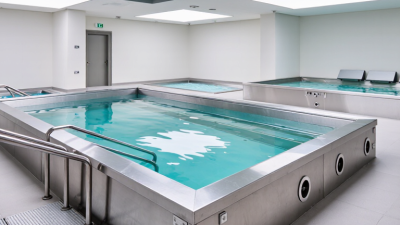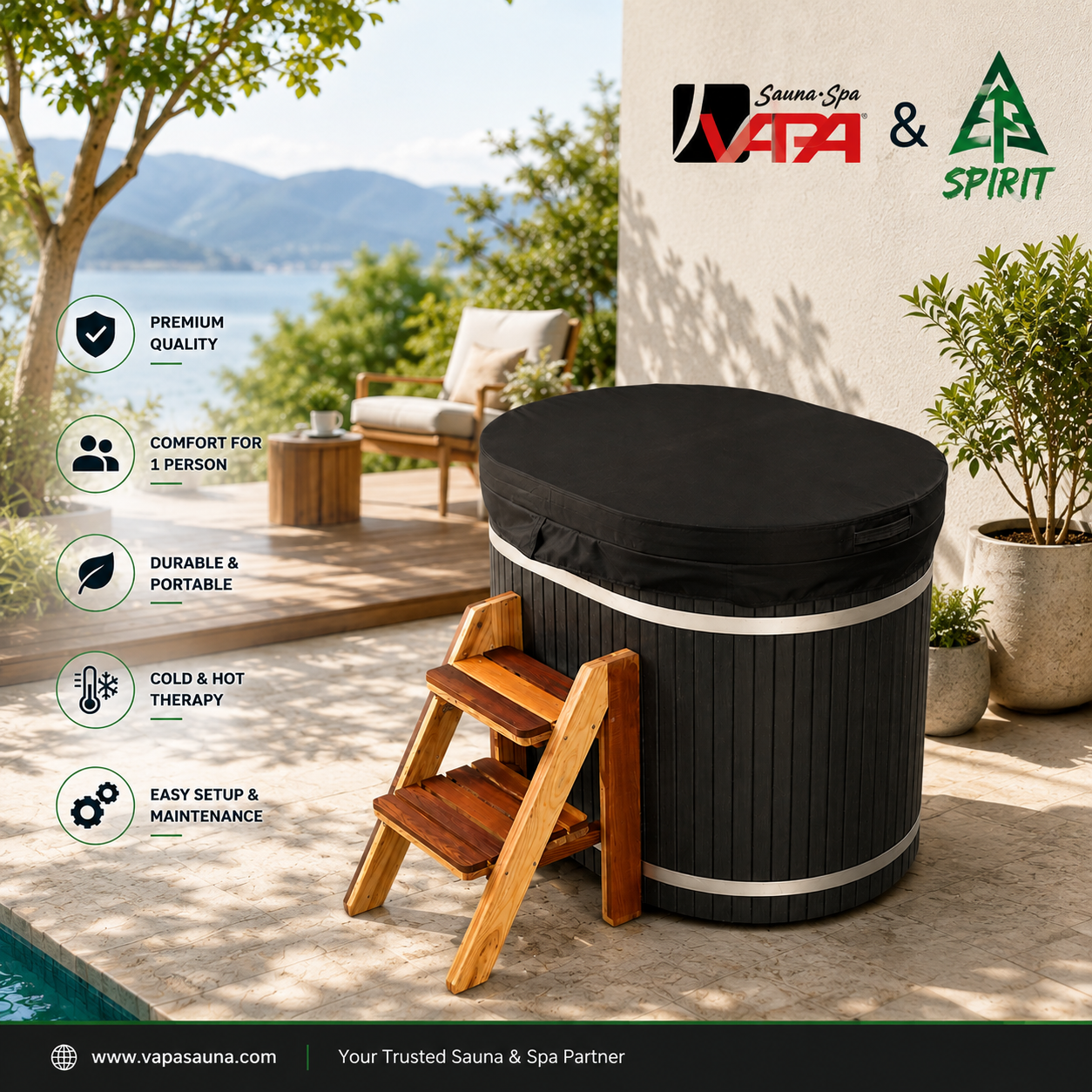
Picking the right Cold Plunge recovery setup for a gym? Yeah, it's not just about price tags and water temp. Owners really need to look at things like hygiene, insulation, filtration, electrical safety, service support, and how many people will actually use it each day. A packed training spot might get away with a smaller, compact tub for a little studio - but a sports club? That's probably going to need a commercial unit that cools faster and is easier to clean.
So, Dr. Andrew Huberman—he's a neuroscientist who talks a lot about cold exposure and recovery—has said, “Cold exposure increases norepinephrine, a hormone and neurotransmitter that boosts focus and attention.” And that kind of explains why athletes and gym-goers often hop into cold water after a hard session. Still, recovery gear isn't some magic fix. A lot depends on timing, your own health, keeping the water clean, and having someone responsible keep an eye on things.
So, this guide takes a look at China’s top 10 picks for gym setups—and yes, it includes those Cold Plunge Recovery Tub models built to handle repeated commercial use. When you’re comparing them, though, it really comes down to the practical stuff: how fast the water actually gets to the target temp, whether the filters are easy to get to, and how clear the controls are when your hands are wet. Sure, some suppliers list specs that look great on paper. But how well does the thing actually hold up? That's hard to know unless you've got installation feedback or long-term testing to go on. And honestly, that's a big gap in a lot of product comparisons. No ranking gets it all right—none of them are perfect. So before buyers lock in a final pick, they should ask for certifications, warranty details, cleaning instructions, and after-sales support. At the end of the day, a reliable choice should keep members safe, make life easier for staff, and still be manageable when things get crazy busy.
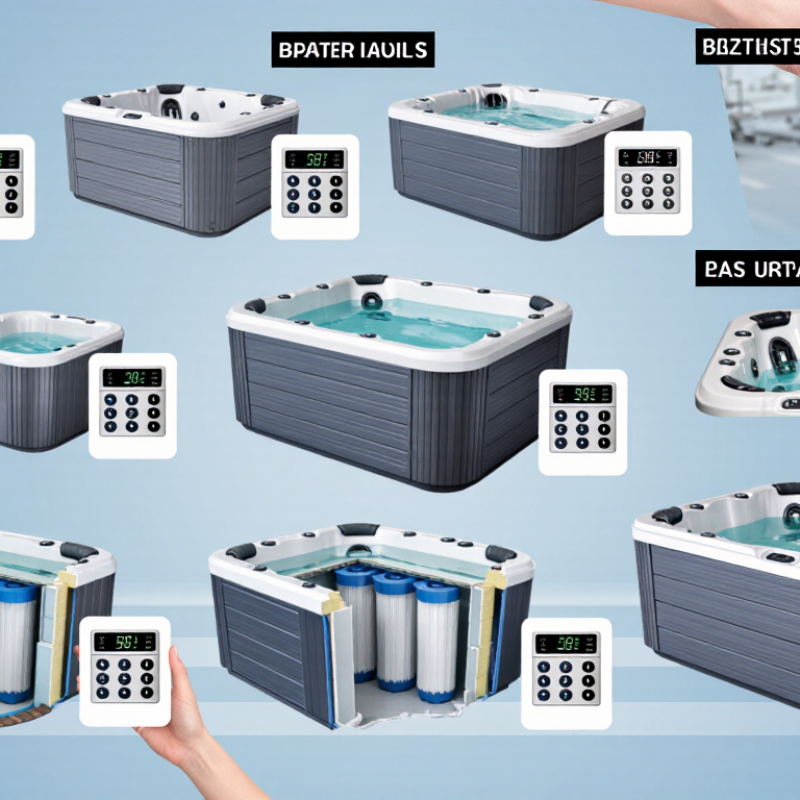
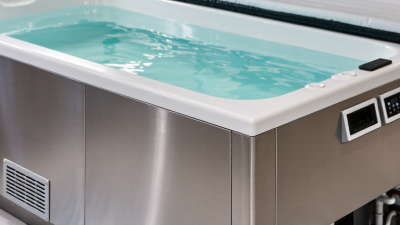
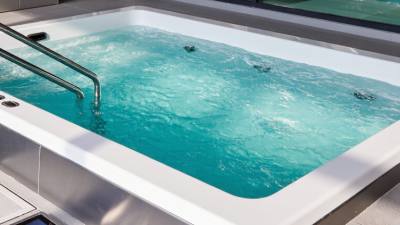
Cold plunge recovery equipment is a controlled immersion system for gyms and training facilities. It usually includes an insulated tub, water chiller, circulation pump, filtration unit, thermometer, timer, steps, and drainage controls. Some commercial systems also use covers and water-treatment monitors. The goal is repeatable temperature management, not simply using ice in a bathtub.
The category is expanding with the wider wellness economy. The Global Wellness Institute reported that the global wellness economy reached $5.6 trillion in 2022 and could reach $8.5 trillion by 2027. However, cold immersion evidence remains mixed. A 2022 review in Sports Medicine reported that results can vary by temperature, exposure time, exercise type, and user condition. Therefore, gym operators should avoid promising guaranteed recovery outcomes.
Tips: Choose equipment with visible temperature readings and emergency shutoff controls. Keep the water clean, inspect filters daily, and record maintenance. A non-slip step matters when the floor is wet. Staff should explain exposure limits and screen users for relevant medical concerns. Never treat discomfort as proof of effectiveness. That assumption needs reconsideration. In busy facilities, simple logs often reveal problems before customers do.
Recovery equipment should fit a gym’s workflow, not merely look impressive beside the weights. Recovery Chiller Cold Plunges 1hp can support short, scheduled sessions after demanding training. Water near 10–15°C feels sharp on the skin. Staff should record temperature, session length, cleaning checks, and member feedback. Small details matter. Users need clear screening and supervision, especially after intense exertion. An accessible step, dry floor, timer, and visible thermometer reduce avoidable mistakes. Cold exposure is not a substitute for sleep, food, hydration, or medical assessment.
A 2022 systematic review in Sports Medicine reported lower soreness 24–72 hours after cold-water immersion, but strength findings varied. The result supports practical recovery use, not guaranteed performance gains. The American College of Sports Medicine’s 2024 worldwide survey ranked wearable technology first among fitness trends. That trend encourages gyms to pair plunge logs with training data while protecting member privacy. The Global Wellness Institute valued the physical activity economy at about $1.1 trillion in 2022. That market figure reflects demand, not proof of clinical benefit. Managers should test throughput, energy use, water quality, and maintenance costs before expanding. I would also question whether every member needs immediate cold exposure. For some, a slower cooldown may feel safer and more sustainable. Evidence is useful, but context still decides.
For gyms choosing from the top 10 cold plunge recovery equipment options, performance begins with measurable design. Look for stainless-steel or reinforced inner walls, insulated covers, and stable water temperatures. A commercial unit should cool consistently, even during busy sessions. Filtration and sanitation systems matter just as much. The Centers for Disease Control and Prevention stresses proper pool and spa water management, including regular disinfection and testing. Digital temperature logs improve accountability. Slip-resistant steps, handrails, emergency drainage, and rounded edges also protect daily users.
Independent evidence remains more cautious than marketing suggests. A 2023 review in *Sports Medicine* found that cold-water immersion may reduce perceived muscle soreness after exercise, but protocols varied widely. That limitation matters. The Global Wellness Institute’s 2024 *Global Wellness Economy Monitor* valued the wellness economy at $6.3 trillion in 2023, showing strong commercial interest, not proof that every plunge works. Gyms should compare recovery equipment through uptime, cleaning time, noise, energy use, and service access. Sauna Recovery areas should separate heat and cold zones, with clear instructions and staff oversight.
**Tips:** Measure the water before every session. Keep a visible cleaning log. Test the emergency shutoff weekly. Avoid promising medical outcomes. Some users may feel dizzy or unusually cold; staff need a simple stop procedure. I would also question oversized screens and decorative lighting. They look impressive, but reliable filtration and safe access deserve the budget first.
Key Features of Effective Cold Plunge Equipment
This chart compares representative gym cold-plunge equipment formats by typical water capacity. Larger systems generally support more users, while effective commercial equipment should also provide reliable temperature control, insulated construction, water filtration, sanitation, safety access, and easy maintenance.
Gyms are expanding recovery areas as members seek practical, measurable wellness services. The Global Wellness Institute’s 2024 report valued the global wellness economy at $6.3 trillion in 2023, with growth projected toward $9 trillion by 2028. Cold-water services fit this trend, but evidence remains protocol-dependent. A 2022 review in Sports Medicine reported mixed findings, so equipment selection should remain careful.
For gym operators, the top 10 cold plunge recovery equipment options include:
Ice Tub Recovery needs more than cold water. Staff should check temperature, water quality, electrical safety, and cleaning records between sessions. Clear user instructions matter.
Practical details influence daily use. A wide step helps members enter steadily. A fitted cover reduces debris.
Digital logging can record temperature and maintenance time. The American College of Sports Medicine’s worldwide fitness trends consistently emphasize technology, coaching, and user experience, supporting connected monitoring rather than guesswork.
Still, cold exposure is not suitable for everyone. Screening and informed consent should be available, with trained staff nearby. Marketing should avoid promising guaranteed recovery.
That claim would be difficult to defend.
# China Top 10 Cold Plunge Recovery Equipment For Gyms
When comparing the top ten Cold Plunge Systems, measure usable capacity, not advertised volume. A tank marked 500 liters may hold less after seating, filtration, and safe water clearance. Record how many users can enter during peak hours. A busy gym may need separate units instead of one oversized tank.
Cooling performance needs practical testing. Check the lowest operating temperature, cooling time, and recovery after repeated use. Room temperature matters, especially in warm training areas. Ask for compressor specifications, insulation details, and independent test records. Do not rely on a dramatic showroom demonstration. It can hide slow recovery.
Maintenance often decides the real cost. Inspect filter access, drainage points, water circulation, and removable surfaces. Staff should clean contact areas easily, without moving heavy equipment. Confirm service intervals, replacement-part availability, electrical protection, and local sanitation requirements. Keep a simple log for water checks, cleaning, faults, and downtime. Small details matter.
One weakness remains: capacity and cooling claims may use different testing conditions. Compare identical water volumes and room temperatures when possible. A cheaper system can become expensive if cleaning takes too long or service support is distant. A spreadsheet will not show every problem. Watch the first month carefully.
| Rank | Equipment Type | Typical User Capacity | Water Volume | Operating Temperature | Cooling Method | Typical Cooling Performance | Electrical Requirement | Maintenance Profile | Best Gym Application |
|---|---|---|---|---|---|---|---|---|---|
| 1 | Commercial Dual-Person Cold Plunge | 2 users | 700–1,000 L | 3–15°C / 37–59°F | Integrated refrigeration with water circulation | Approximately 1–3°C per hour, depending on starting temperature and ambient conditions | 220–240 V; dedicated circuit commonly required | Daily water checks; filter cleaning weekly; sanitation and water replacement as required | High-traffic recovery zones and team training facilities |
| 2 | Single-Person Insulated Plunge with Chiller | 1 user | 350–600 L | 4–15°C / 39–59°F | External or side-mounted refrigeration chiller | Approximately 1–2.5°C per hour under normal indoor conditions | 110–240 V, depending on configuration | Replaceable filter; regular water testing; periodic deep cleaning of the tub and plumbing | General fitness clubs with moderate daily usage |
| 3 | Compact Plug-and-Play Recovery Tub | 1 user | 250–450 L | 5–18°C / 41–64°F | Compact air-cooled refrigeration unit | Approximately 0.8–2°C per hour, varying with insulation and room temperature | 110–240 V; usually standard single-phase supply | Low to moderate; clean filter screens and inspect hoses regularly | Small studios, physiotherapy areas, and space-limited gyms |
| 4 | High-Throughput Commercial Plunge Station | 1 user per cycle; frequent consecutive use | 500–800 L | 3–12°C / 37–54°F | High-flow pump and commercial refrigeration system | Approximately 1–3°C per hour with improved temperature recovery between users | 220–240 V; higher starting current may need circuit planning | Daily sanitation checks; weekly filter service; scheduled pump and seal inspections | Large gyms, sports clubs, and membership facilities with heavy demand |
| 5 | Portable Insulated Cold Plunge | 1 user | 200–400 L | 5–18°C / 41–64°F | External chiller or ice-assisted cooling | Chiller-dependent; ice-only cooling requires manual temperature control | Standard single-phase supply for chiller-equipped versions | Moderate; frequent water replacement may be needed when filtration is limited | Mobile training areas, temporary installations, and trial programs |
| 6 | Built-In Recovery Pool with Remote Chiller | 1–2 users | 800–1,500 L | 4–15°C / 39–59°F | Remote refrigeration with dedicated circulation and filtration | Approximately 1–2.5°C per hour; larger volume usually cools more slowly | 220–240 V; installation may require plumbing and ventilation planning | Moderate to high; accessible service lines and drain points are important | Permanent premium recovery rooms and athletic performance centers |
| 7 | Cold Plunge with UV and Ozone Water Treatment | 1 user | 400–700 L | 3–15°C / 37–59°F | Refrigeration combined with mechanical filtration and supplemental treatment | Approximately 1–2.5°C per hour, depending on chiller size and insulation | 110–240 V, depending on pump and treatment components | Lower water-change frequency is possible, but testing, filter replacement, and treatment-cell inspection remain necessary | Gyms seeking lower water consumption and simplified sanitation routines |
| 8 | Energy-Efficient Heat-Pump Cold Plunge | 1 user | 350–650 L | 5–15°C / 41–59°F | Heat-pump refrigeration with insulated tank construction | Approximately 0.8–2°C per hour; typically optimized for steady-state operation | 110–240 V; lower running power may be available than basic compressor systems | Moderate; clean air inlets, inspect refrigerant circuit, and service the filter routinely | Facilities prioritizing operating efficiency and long daily runtimes |
| 9 | Modular Multi-Tub Recovery System | 2–4 users across separate tubs | 600–1,200 L total | 4–16°C / 39–61°F | Independent or shared chillers with separate circulation loops | Approximately 1–2.5°C per hour for each tub, depending on system layout | Multiple circuits may be required; electrical load depends on the number of chillers | Higher; each tub, filter, drain, and circulation loop needs a documented service schedule | Large recovery suites requiring simultaneous or segmented sessions |
| 10 | Entry-Level Ice-Compatible Recovery Tub | 1 user | 150–350 L | 5–20°C / 41–68°F | Manual ice cooling or optional external chiller | Cooling speed depends mainly on ice quantity, water volume, and starting temperature | No fixed power requirement without an optional chiller | High manual involvement; drain, clean, refill, and sanitize frequently | Low-budget installations, introductory programs, and low-frequency use |
A safe ice bath for recovery begins with the installation area, not the water temperature. Choose a level, non-slip floor with clear drainage. Keep electrical outlets away from splash zones, and use a qualified electrician for grounding and protective devices. Leave service space around pumps, filters, and access panels. The room also needs steady ventilation to control condensation.
Before opening each session, staff should inspect the tub, cover, steps, hoses, and emergency stop. Check water clarity and test sanitation levels with a calibrated kit. Record readings, cleaning times, filter changes, and unusual odors. A visible log improves accountability. It also exposes weak routines.
Post clear instructions beside the equipment. Users should enter slowly, avoid diving, and follow the facility’s approved time and temperature limits. Staff must screen out users who report relevant medical concerns and refer them to a healthcare professional. Never leave a user unattended. Keep towels, dry flooring, and a first-aid kit nearby. Staff should know the emergency response plan, including when to stop a session and call local emergency services.
Daily cleaning matters. Drain and sanitize the system according to the equipment manual and applicable local requirements. Inspect seals weekly. Replace damaged parts promptly. Our first checklist may look complete, yet missed details happen. A short end-of-day review can catch them. Safety improves when the process is practical, documented, and repeatedly tested.
The 2024 global wellness economy outlook highlights growing interest in practical, personalized recovery solutions, with cold-water immersion becoming increasingly visible in home wellness routines. As consumers seek convenient ways to support post-exercise recovery, refreshment, and temperature-based therapy, compact cold plunge systems are gaining attention for their controlled operation and space-efficient design. A single-person ice tub can provide a more private and consistent experience than improvised soaking methods, making it suitable for homes, fitness studios, and recovery areas.
Designed for precise cold therapy management, this one-person Cold Tub combines an integrated water pump and chiller in one streamlined system. Its temperature range of 3–42℃ allows users to select a cold setting or adjust the water for different wellness routines throughout the year. The 1.5mm stainless steel inner shell is available in 304# or 316# stainless steel, providing strong durability, reliable corrosion resistance, and easier long-term maintenance. With its integrated components and adjustable temperature control, the system supports a structured approach to cold immersion without requiring separate chilling equipment.
It is a controlled water-immersion system for gyms and training facilities. It usually includes an insulated tub, chiller, pump, filter, thermometer, timer, and drainage controls. The goal is repeatable temperature management, not simply adding ice to a bathtub.
Common parts include a circulation pump, filtration unit, temperature display, steps, and water-treatment monitor. A cover can reduce debris and condensation. Emergency shutoff controls are important. Small details matter.
Choose a level floor with strong drainage and slip-resistant surfaces. Keep electrical outlets away from splash areas. Leave service space around pumps, filters, and access panels. Ventilation helps control condensation.
Staff should check the tub, cover, steps, hoses, and emergency stop. They should review water clarity and sanitation readings. Towels, dry flooring, and a first-aid kit should remain nearby. Do not skip the boring checks.
Test sanitation levels with a calibrated kit. Record cleaning times, filter changes, odors, and unusual water conditions. Drain and sanitize the system according to its manual and local requirements. Clear water alone does not prove safe water.
Users should enter slowly and never dive into the water. They must follow the facility’s approved exposure limits. Staff should explain the temperature and time limits clearly. Discomfort is not proof of effectiveness.
Staff should screen users who report relevant medical concerns. Those users should speak with a healthcare professional before participating. Never make guaranteed recovery claims. Individual responses can differ.
Evidence remains mixed. Results may vary with temperature, exposure time, exercise type, and user condition. A cold session may feel refreshing, but that feeling is not conclusive evidence. This assumption needs reconsideration.
Never leave a user unattended. Staff should know when to stop a session and contact local emergency services. Inspect seals weekly and replace damaged parts promptly. A checklist can still miss details, so review the process regularly.
Cold Plunge Recovery Equipment For Gyms refers to purpose-built systems that provide controlled cold-water immersion after exercise. These systems typically combine an insulated tub, water-cooling technology, filtration, circulation, temperature controls, and user-friendly monitoring features. By helping manage post-workout discomfort and supporting a structured recovery routine, cold plunge equipment can add value to strength, conditioning, and wellness areas when used responsibly.
This guide explores ten practical equipment options for different gym sizes, budgets, and member volumes. It explains how to compare water capacity, cooling performance, energy use, sanitation, noise, durability, and maintenance requirements. It also covers essential considerations for installation, drainage, ventilation, access space, water treatment, and daily operating procedures. Clear safety guidance, temperature management, cleaning schedules, user instructions, and routine inspections are emphasized to promote reliable operation and a comfortable experience for gym members.