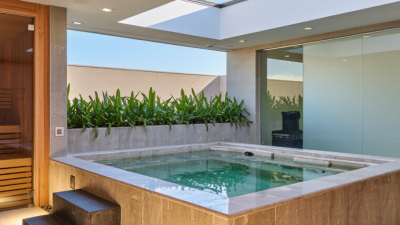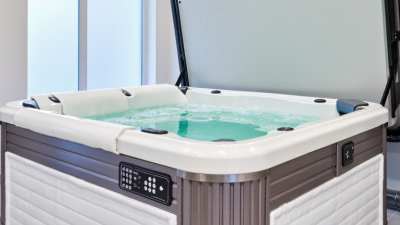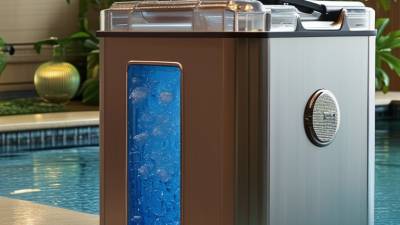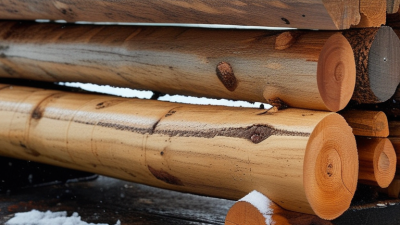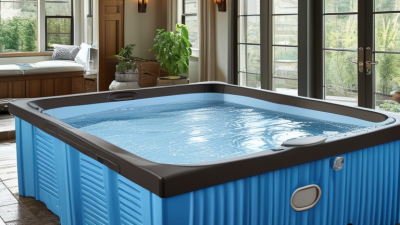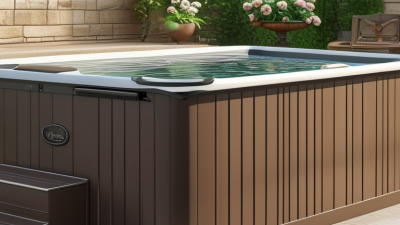
A Wooden Cold Plunge Tub For Luxury Wellness Spaces brings natural warmth to a traditionally clinical recovery ritual. In China, skilled manufacturers combine traditional timber craftsmanship with modern water-care engineering. Cedar, teak, and thermally treated wood can create rich textures, subtle aromas, and a calm visual focus. Each grain pattern feels different. That difference gives the space character.
Luxury wellness design requires more than attractive materials. A reliable tub should support stable water temperatures, secure drainage, smooth interior surfaces, and practical maintenance access. Designers should review insulation, filtration, plumbing, and ventilation before installation. These details influence comfort and long-term operating costs. They also protect the surrounding floor from moisture damage. A cold plunge should complement, not compete with, a sauna or Wellness Hot Tub.
Experienced suppliers can provide material samples, production photographs, installation guidance, and clear warranty terms. Buyers should ask how the timber is sealed and how joints respond to repeated temperature changes. Wood is beautiful, but it is not maintenance-free. That matters.
User experience deserves equal attention. A well-positioned tub may sit beside stone tiles, warm lighting, folded towels, and a non-slip access platform. Water quality must follow local health and safety requirements. Users with medical conditions should seek professional advice before cold-water exposure. Even premium projects need thoughtful limits. The best result balances craftsmanship, evidence-based planning, and honest care expectations.
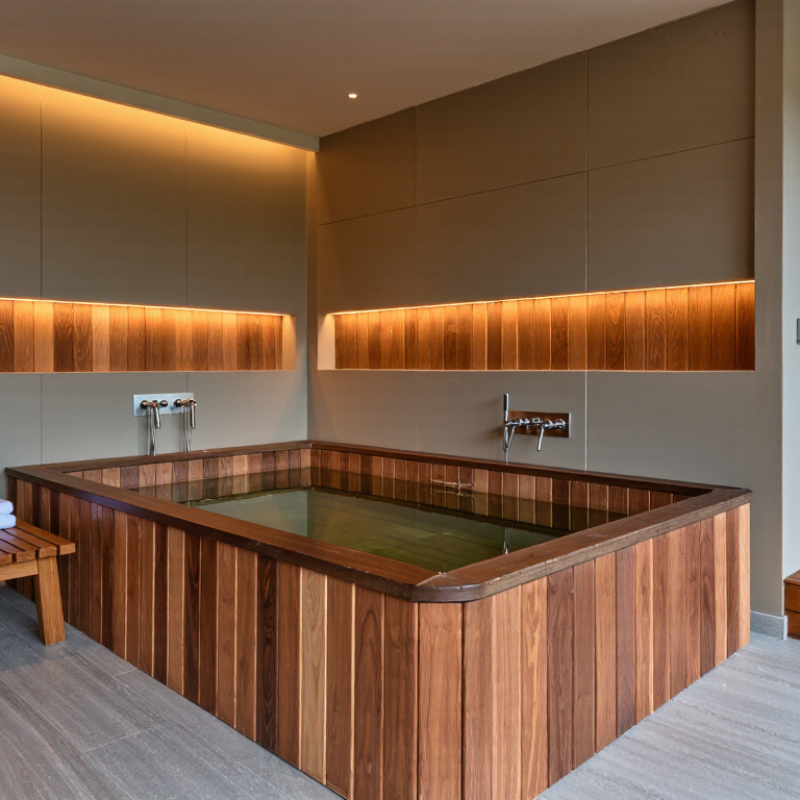
A wooden cold plunge tub is a purpose-built vessel for brief immersion in cold water. Its wooden walls create a warm, natural appearance within luxury wellness spaces. Unlike a decorative soaking bath, it is designed for controlled cooling after exercise, sauna use, or relaxation rituals. The tub may include insulated panels, drainage fittings, and a filtration system. Features vary by construction.
In practical use, bathers enter slowly and keep their movements calm. The water should be clean, temperature-monitored, and changed according to a clear maintenance schedule. A solid wooden tub can feel stable underfoot, while its grain adds a tactile connection to nature. However, wood is not maintenance-free. Moisture can cause swelling, staining, or small leaks when sealing is neglected. That detail is easy to overlook.
A reliable installation needs level flooring, safe access, and enough space around the tub. Staff should explain the process and watch for signs of distress. Cold immersion is not a medical treatment, and it may not suit everyone. People with health concerns should seek qualified medical advice before use. Even in an elegant spa, comfort should not replace caution. The best tub supports a considered experience, rather than promising dramatic results.
A wooden cold plunge tub is a purpose-built vessel for short-duration cold-water immersion. The chart shows representative water-temperature bands commonly used for wellness, recovery, and more intense cold exposure. Individual tolerance varies, so sessions should be introduced gradually and supervised when appropriate.
A premium wooden cold plunge tub should combine visual warmth with dependable performance. Carefully selected cedar, thermowood, or other water-resistant timber can create a rich grain and calming scent. However, wood is a natural material. Its color, texture, and movement may vary over time.
Built for quiet spaces. The structure should use secure joinery, smooth interior surfaces, and reinforced bands where needed. Rounded edges improve comfort during entry and cleaning. Adjustable feet or a stable base help the tub sit safely on stone, timber, or tiled floors.
Insulation is equally important. A well-designed wall system can reduce temperature exchange and support more consistent water management. Reliable drainage makes cleaning easier, while a fitted cover helps limit debris between uses. Filtration and circulation options should match the intended installation, not simply add unnecessary equipment.
Details matter. The best specifications include clear timber treatment information, drainage dimensions, electrical requirements, and maintenance guidance. A supplier should explain how the tub is tested before shipment and how replacement parts can be obtained. Certification claims need verification, especially for pumps, heaters, and electrical components.
Luxury does not mean maintenance-free. Wood may need periodic care, and water temperature should be checked with a dependable thermometer. Users should enter gradually, avoid using the tub alone, and seek medical advice when cold exposure may be unsuitable. The ideal tub is attractive, practical, and honest about its limitations.
A China-made wooden cold plunge tub can bring a grounded character to luxury wellness spaces. Its appeal begins with material choice, not decoration. Carefully selected cedar, larch, or other water-resistant timber can offer natural grain, warmth, and a pleasant tactile finish. Each board should be kiln-dried, smoothly sanded, and inspected for cracks before assembly. Details matter.
Craftsmanship becomes visible around the joints, rim, and base. Tight-fitting staves help reduce unwanted movement, while food-safe, water-compatible sealing protects the interior surface. Stainless-steel bands can provide steady pressure without overpowering the wood’s appearance. The tub should also include practical drainage, stable steps, and a non-slip surrounding surface. These features support safer daily operation without making unverified health promises.
Structural design decides whether beauty survives regular use. A reinforced bottom, balanced weight distribution, and level installation help limit stress during filling and emptying. For outdoor wellness products, weather exposure requires thoughtful shelter, ventilation, and scheduled inspection. Wood may swell, dry, or develop minor surface changes. Not flawless. That is worth admitting. A responsible supplier should provide clear maintenance guidance, material specifications, and testing records where available. Luxury is not only visual; it also depends on honest construction details and dependable service.
A premium wooden cold plunge tub depends on more than attractive joinery. Its cooling system should maintain a stable temperature without creating sudden changes. A dedicated chiller, insulated hoses, and covered pipe connections reduce heat gain. Place the equipment in a dry, ventilated area. Poor airflow can reduce performance and shorten service life.
Water control requires equal attention. A circulation pump should move water through filtration at a consistent rate. An accessible drain makes scheduled cleaning easier. Test water chemistry with reliable strips, and record readings in a simple maintenance log. Never rely on clear water alone. It may still require treatment or replacement. Follow the equipment instructions and local water guidance.
Safety starts before the first use. A qualified electrician should install suitable protection for wet environments. Keep controls outside the splash zone. A secure cover helps prevent accidental access and keeps leaves away. The tub should also have a stable, slip-resistant step and enough space around it. Limit sessions according to individual tolerance, and stop if discomfort develops. Users with medical concerns should seek professional advice before using cold immersion. This wellness routine equipment needs supervision in shared spaces. One weakness remains: elegant wood can hide moisture damage. Inspect seams, fasteners, and the floor regularly. Small problems rarely stay small.
Practical specification guide for premium wooden cold plunge installations
| Specification Area | Recommended Data Range | Luxury Wellness Application | Operational and Safety Notes |
|---|---|---|---|
| Tub construction | Exterior wood cladding with a waterproof inner liner or sealed composite basin | Creates a natural, warm visual contrast with stone, glass, and contemporary spa interiors | Wood should be protected from standing water, excessive humidity, and direct contact with untreated ground surfaces |
| Typical external dimensions | Approximately 1,300–2,200 mm long × 750–1,000 mm wide × 800–950 mm high | Supports compact single-user layouts while allowing enough room for comfortable entry and exit | Confirm door width, turning radius, drainage route, service clearance, and floor loading before installation |
| Water volume | Approximately 400–1,200 litres, depending on geometry and fill level | Suitable for private residences, hotel suites, recovery rooms, and boutique wellness facilities | Lower water volume reduces cooling time, water consumption, and treatment demand |
| Target water temperature | Adjustable range commonly set between 3°C and 15°C (37°F–59°F) | Allows operators to offer moderate cooling, athletic recovery, and advanced cold-exposure sessions | Cold-water exposure should be gradual and supervised; users with medical conditions should seek professional advice |
| Cooling system capacity | Approximately 0.8–3.0 kW of cooling output for small to medium residential and commercial tubs | Maintains stable water temperature during repeated sessions and moderate ambient conditions | Actual performance depends on water volume, starting temperature, insulation, ambient temperature, and cover use |
| Cooling time expectation | A 500-litre bath may require several hours to cool from approximately 20°C to 10°C, depending on system output | Supports overnight cooling or scheduled preparation before peak treatment periods | A thermal cover can substantially reduce heat gain and compressor operating time |
| Insulation | Insulated wall and base panels, commonly using closed-cell foam or equivalent thermal insulation | Improves energy efficiency and helps keep the tub surface more comfortable in indoor spaces | Insulation should remain dry and continuous around the basin, plumbing, and base |
| Water circulation | Continuous or timed circulation through a pump, filter, and cooling heat exchanger | Helps distribute temperature evenly and improves water clarity between sessions | Use accessible valves and unions to simplify servicing and winterization |
| Filtration | Replaceable cartridge filter, commonly rated around 20–50 microns for general water circulation | Provides a clean, refined user experience in low-volume and shared-use wellness areas | Filter size and replacement interval must match bather load, water volume, and treatment method |
| Water sanitation | A controlled sanitation program using an approved disinfectant, with pH monitoring where applicable | Supports repeated use while reducing odour, biofilm, and cloudy-water risk | Follow local public-health requirements and the instructions for the selected water-treatment system |
| Water quality targets | Common operational targets include pH 7.2–7.8 and free chlorine approximately 1–3 mg/L, subject to local rules | Provides a practical baseline for routine monitoring in private or supervised facilities | Testing frequency and chemical levels must be adapted to bather load and the applicable health code |
| Temperature control | Digital controller with adjustable setpoint, water-temperature sensor, and high/low temperature protection | Enables consistent treatment settings and easier staff operation | The displayed temperature should be verified periodically with a calibrated independent thermometer |
| Drainage and water control | Bottom or side drain, shut-off valve, service bypass, and a suitable waste-water connection | Makes cleaning, partial draining, and seasonal maintenance more efficient | Do not discharge chemically treated water where it can damage landscaping or enter restricted drains |
| Electrical protection | Dedicated circuit with residual-current protection; 30 mA RCD/GFCI protection is commonly used for personal protection | Improves protection in wet environments when installed by a qualified electrician | Electrical requirements vary by country; comply with local electrical codes and equipment instructions |
| Slip and access safety | Non-slip step or deck, stable handhold, rounded edges, and a clear entry zone of approximately 600 mm or more | Improves comfort and confidence for first-time users and hotel guests | Keep the surrounding floor dry, level, well lit, and free of loose mats or obstacles |
| User supervision | Visible operating instructions, session timer, emergency contact process, and supervised use in shared facilities | Supports consistent guest service and reduces avoidable misuse | Users should avoid alcohol, never use the tub alone, and exit immediately if they feel faint, numb, or unwell |
| Recommended session guidance | Begin with short exposures, often around 30 seconds to 2 minutes, and increase only when tolerated | Offers a conservative starting point for new users without prescribing a medical treatment | Cold exposure is not suitable for everyone; obtain medical guidance when cardiovascular or other health risks exist |
| Maintenance interval | Check water chemistry and cleanliness regularly; inspect filters, seals, drains, and electrical safety devices on a scheduled basis | Helps maintain appearance, hygiene, cooling efficiency, and reliable daily operation | Maintenance frequency should increase with higher occupancy, warmer ambient conditions, and frequent water changes |
Choosing the right wooden cold plunge tub begins with the space itself. Measure the installation area carefully, including walking clearance and service access. In a quiet wellness room, cedar or thermally modified wood can complement stone, glass, and warm lighting. However, appearance should not lead the decision. Check the tub’s internal dimensions, water capacity, liner quality, and drainage design before approving the layout.
Construction details affect daily reliability. A fitted liner helps protect the wood from constant moisture. Insulated walls may support more stable water temperatures and reduce equipment strain. Look for a secure cover, accessible filtration, and a clear thermometer. These features make routine operation easier for staff. The water system should also support documented cleaning procedures, rather than relying on appearance alone.
Guest comfort matters too. Choose a broad rim, stable entry steps, and slip-resistant flooring around the tub. Keep towels and dry storage within reach. If the facility also includes hot tubs for wellness, separate wet and cold zones can improve movement and hygiene. I would not hide every service component; difficult access often becomes an expensive mistake. Some wooden surfaces may weather unevenly, despite careful maintenance. That natural variation can be acceptable, but it should be discussed before installation.
Installing a wooden cold plunge tub requires a firm, level base with reliable drainage. Concrete, stone, or reinforced decking can support the filled weight more safely. Leave clear space around the tub for cleaning and inspection. Avoid placing it beneath falling branches or near loose soil. A shaded position may reduce heat stress and water evaporation.
Before filling, check the staves, bands, drain fitting, and interior lining. Wood can swell after several wetting cycles, so minor adjustments may be normal. It is easy to overlook the drain seal. Do not.
Follow the manufacturer’s water-treatment guidance, and test water regularly with suitable strips. Rinse the interior, remove debris, and keep the cover clean and dry. Never use harsh chemicals without checking material compatibility.
Long-term performance depends on routine observation, not appearance alone. Look for soft wood, dark staining, loose hardware, or persistent leaks. Empty the tub when required, then allow the wood to dry gradually. Rapid drying can increase cracking. In freezing climates, protect the plumbing and drain completely before winter.
Transform your outdoor space with the VAPA HT010 Supreme Hot Tub. Experience luxury, but remember that luxury still needs maintenance. Some owners expect the wood to remain perfect; that expectation needs reconsidering. Natural movement is part of the material, not automatically a defect.
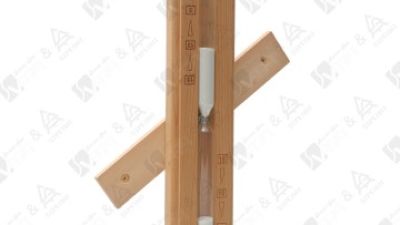
Sauna Culture is moving from occasional luxury toward a more personalized wellness routine. The Global Wellness Institute’s *Global Wellness Economy Monitor 2023* valued the global wellness economy at $5.6 trillion in 2022 and projected it to reach $8.5 trillion by 2027, reflecting rising interest in at-home relaxation and recovery. Within this trend, sauna users increasingly look for products that support simple, controlled, and calming sessions rather than complex technology.
Grand View Research reports that the global sauna market is expected to grow at approximately a 5.5% compound annual growth rate through 2030. This expansion creates opportunities for practical accessories designed around customization. An hourglass timer is a natural addition to a contemporary sauna setup: it offers a clear visual guide for session duration, supports consistent routines, and reduces reliance on phones or electronic displays. Its compact form also suits different interior styles, from minimalist home wellness spaces to traditional sauna rooms. As consumers seek more mindful experiences, an hourglass can add a tactile, screen-free element while helping users adjust session length according to personal comfort, temperature, and wellness goals.
Cedar and thermally modified wood offer warmth, durability, and a calming natural scent. Wood can change color and shape over time.
Measure the room, walking clearance, and service access before approving the layout. Check internal dimensions and water capacity carefully. A beautiful tub may still fit badly.
Insulated walls can reduce temperature changes and equipment strain. A fitted cover helps keep leaves, dust, and insects out between uses. These details save daily effort.
Use a firm, level base made from concrete, stone, or reinforced decking. Leave space around the tub for inspection and cleaning. Do not place it near loose soil.
Look for rounded edges, a broad rim, stable steps, and slip-resistant flooring. Keep towels and dry storage within reach. Enter gradually, and avoid using the tub alone.
Follow documented water-treatment procedures and test the water regularly with suitable strips. Rinse the interior and remove visible debris. Appearance alone does not prove cleanliness.
Inspect the staves, bands, drain seal, lining, and hardware before filling. Watch for soft wood, dark stains, loose parts, or persistent leaks. Wood needs care.
Drain the plumbing completely and protect exposed components before winter. Allow wet wood to dry gradually after emptying the tub. Rapid drying may increase cracking. Some expectations need reconsidering.
A Wooden Cold Plunge Tub For Luxury Wellness Spaces combines natural beauty, restorative cooling, and refined functionality in one carefully designed installation. This article explores the purpose of cold-water immersion and explains how premium wooden tubs are shaped for comfort, durability, and visual harmony with upscale spas, hotels, private residences, and wellness retreats. It highlights material selection, handcrafted construction, insulation, structural support, and protective finishes that help maintain long-term performance.
The summary also examines cooling systems, water circulation, temperature control, filtration, drainage, and essential user-safety considerations. Practical guidance is provided for selecting the appropriate size, capacity, configuration, and placement according to the space and expected usage. Finally, it covers installation planning, routine cleaning, water treatment, seasonal care, and maintenance practices that preserve the tub’s appearance and operating efficiency. Together, these considerations help create a dependable, elegant, and comfortable cold-plunge experience for luxury wellness environments.