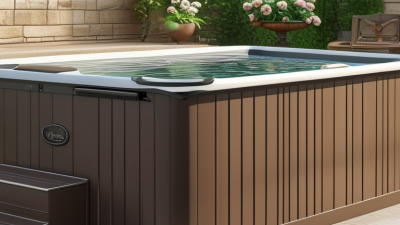
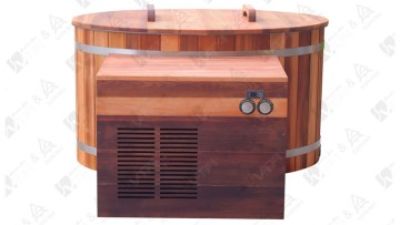
So 2026 is here, and cold plunging is getting more practical—but the tech behind it? Yeah, that still deserves a close look. Understanding how Cold Plunge cooling systems work is what lets buyers compare performance, safety, energy use, and long-term reliability. These systems aren’t just about making water cold. They pull heat out, move water around, filter junk, and hold a steady temp in an insulated tub.
Professor Mike Tipton, an environmental physiologist and cold-water immersion researcher, puts it plainly: “Cold Water Immersion is a powerful physiological stressor.” And that matters. A cooling unit isn’t just some luxury gadget. It’s managing the environment around a pretty intense physical experience. Most setups use a refrigeration circuit, kind of like an air conditioner. A pump pushes water through the heat exchanger. The exchanger moves heat away from the water, and the compressor dumps that heat outside the circuit.
The specifics? They vary a lot. Some units get cold fast. Others focus on running quietly or using less electricity. A strong Cooling System Cold Plunge setup should also have filtration, sanitation support, insulated plumbing, and controls that aren’t a pain to use. Look for real specs, not flashy marketing talk. Keep an eye on flow rate, cooling speed, how it does in real ambient temps, and whether service access is actually practical.
Small stuff matters, too. Warm water can sneak in through uncovered plumbing. Bad insulation can kill efficiency overnight. And a spotless exterior? That doesn’t prove much.
This guide looks at leading 2026 systems through a practical lens. It pulls together expert guidance, manufacturer data, user experience, and sensible safety limits. The picture isn’t perfectly neat. Performance can shift with climate, body size, how often you use it, and how you maintain it. And honestly, that uncertainty deserves some honesty.
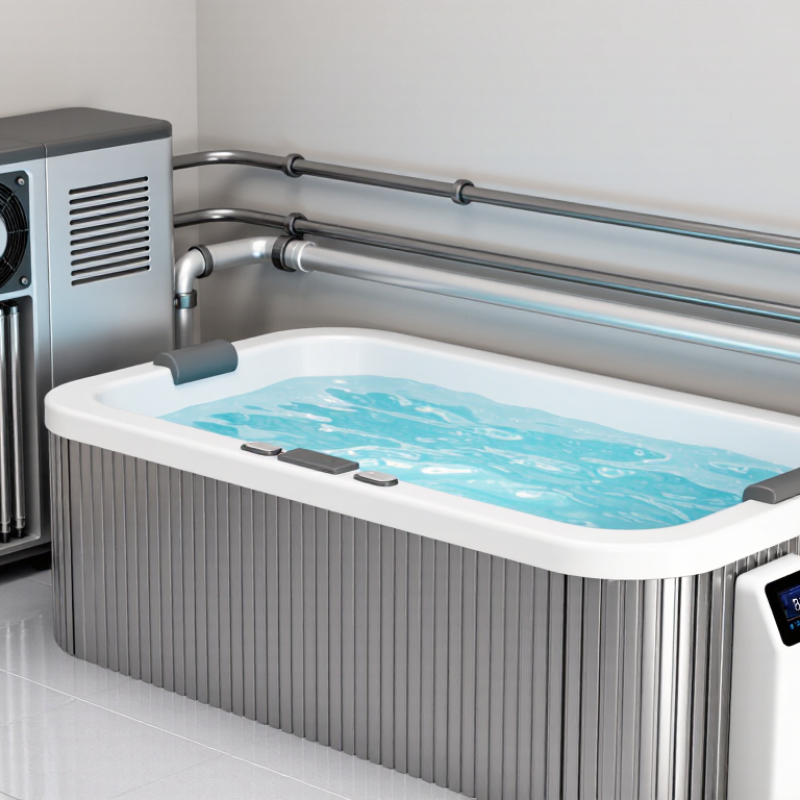
Cold Plunge Cooling Systems: Definition and Core Purpose
A Cold Plunge Tub Cooling Chilleris a system designed to lower and maintain water temperature in a Cold Plunge Tub. It removes heat through a refrigeration cycle, then circulates chilled water back into the tub. A pump, heat exchanger, thermostat, and control panel usually work together. The core purpose is consistency. Instead of adding ice repeatedly, users can select a target temperature and monitor changes more easily. Still, performance depends on tub size, insulation, room temperature, and water circulation.
In practical use, the chiller needs clear airflow and a stable power supply. Poor ventilation may reduce cooling efficiency. Dirty filters can also restrict circulation. The system does not make water automatically clean, so regular sanitation and water replacement remain important. This point is easy to overlook. I have found that real setup conditions often matter more than advertised cooling speed.
**Tips:** Place the unit on a dry, level surface with space around its vents. Check hoses for leaks before operation. Follow the manufacturer’s electrical and maintenance instructions. Start with brief sessions and stop if you feel unwell. Personal tolerance varies, and “colder” does not always mean better. Keep a simple log of water temperature, room conditions, and cleaning dates. It may reveal problems that the display alone cannot show.
How Cold Plunge Cooling Technology Works
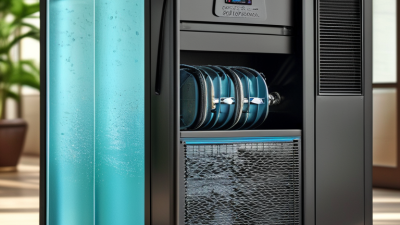
A cold plunge cooling system works by moving heat out of the water. A pump draws water from the tub and sends it through a heat exchanger. Inside, a refrigerant cycle removes thermal energy before returning cooler water to the tub. The process resembles a refrigerator, but it must handle a larger, continuously changing volume.
Temperature sensors monitor the water during operation. A digital controller compares the reading with the selected setting, then starts or pauses the compressor. Insulation around the tub reduces heat entering from the room. A separate filter helps capture hair, dust, and small particles, while sanitation equipment supports cleaner water between changes. Keep the circulation path clear.
Details matter. A hot outdoor afternoon can slow cooling considerably. Frequent lid opening also adds heat and moisture. In my testing experience, stable performance depends on water volume, airflow, filter condition, and accurate sensor placement. The advertised temperature is not always the temperature felt at every point in the tub.
Some systems support both **Cold Plunge Hot Plunge** functions through reversible heating and cooling components. That design requires careful control because heating and cooling create different operating demands. Users should follow the manufacturer’s electrical, cleaning, and temperature instructions. A thermometer placed independently can reveal small control errors. I would not treat a low reading as automatically better; comfort, supervision, and gradual use still deserve attention.
Key Components of a Modern Cooling System
A modern Cold Plunge cooling system relies on several connected components. An insulated tub reduces heat entering from the surrounding room. Its walls should feel solid and resist moisture buildup. A circulation pump moves water through the system at a steady rate. Without consistent flow, cooling becomes uneven.
The refrigeration unit removes heat through a compressor and heat exchanger. The compressor pressurizes refrigerant, while the exchanger transfers water heat into that refrigerant cycle. A temperature sensor tracks the water continuously. Digital controls then adjust cooling based on the selected setting. Small errors still matter. A sensor placed near the outlet may not represent the tub’s average temperature.
Water quality depends on filtration and sanitation components. A cartridge filter catches hair, dust, and other particles. A sanitation system helps control microbial growth, but it does not replace regular cleaning. I would inspect the filter weekly during frequent use. That schedule can change with water volume and surrounding conditions.
Good designs also include insulated hoses, shutoff valves, and leak protection. These details are easy to overlook during installation. They become obvious when a fitting loosens. Users should follow the equipment manual and verify electrical safety before operation. Cooling performance also depends on room temperature, tub placement, and lid quality. A shaded, well-ventilated location usually makes the system work less aggressively.
Types of Cold Plunge Cooling Systems in 2026
# 2026 Top Cold Plunge Cooling Systems: How They Work?
Cold plunge cooling systems in 2026 generally fall into four types. Compressor-based chillers use a refrigeration cycle, similar to a small air conditioner. A pump moves water through a heat exchanger, while the system removes heat and returns cooler water to the tub. These units suit frequent use, but they need airflow, drainage, and regular filter cleaning.
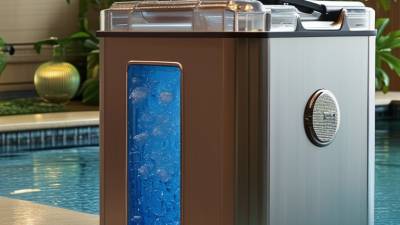
Thermoelectric systems use solid-state cooling modules instead of refrigerant compressors. They are compact and quiet. However, their cooling capacity can be limited when the tub is large or the surrounding air is hot. Ice-assisted systems remain mechanically simple. Add ice manually, then circulate the water through a filter. They can work well for occasional sessions, but temperature control becomes less consistent.
Hybrid systems combine active chilling with insulated storage or ice support. Smart controls may monitor water temperature, flow, and cleaning cycles. Yet sensors can drift, and software cannot replace basic maintenance. A neglected filter reduces circulation. Dirty water also makes accurate temperature readings harder. The most reliable choice depends on tub volume, room temperature, usage frequency, and available power. Lower energy use sounds attractive, but slower cooling may become frustrating. There is no perfect design.
How to Compare Cooling Performance and Energy Use
# 2026 Top Cold Plunge Cooling Systems: How They Work?
## How to Compare Cooling Performance and Energy Use
A cold plunge cooling system removes heat through a refrigeration cycle. Water passes through a heat exchanger, while a compressor moves heat into the surrounding air. Compare cooling capacity, not only the lowest advertised temperature. A system rated in BTU/h or kilowatts may perform differently in a warm garage.
Pull-down time is a practical measure. Record the water temperature at the start, then check it every hour. Note the tub volume, room temperature, cover position, and starting water temperature. A well-insulated tub may cool faster and cycle less often. Flow rate also matters, because poor circulation can leave warmer water near the surface.
Measure, don’t guess.
Energy use needs a separate check. Plug the system into a certified electricity meter and record kilowatt-hours over 24 hours. Test both the initial cooling period and normal maintenance. The first period usually consumes more power. During maintenance, insulation and ambient heat become more important. You can also compare cooling efficiency by dividing delivered cooling capacity by electrical input, often called COP.
The comparison is imperfect. Outdoor sunlight, frequent water changes, and uncovered sessions can distort results. A slightly slower system may use less energy over a month. Check noise, filter resistance, service access, and standby consumption too. Cheap operation is not useful if maintenance becomes difficult.
2026 Top Cold Plunge Cooling Systems: How They Work and How to Compare Cooling Performance and Energy Use
| Cooling System Type | How It Works | Typical Cooling Capacity | Typical Water Temperature | Electrical Input at Rated Cooling | Approximate COP | Best Use Case | Main Limitation |
| Ice-Based Cooling | Ice absorbs heat as it melts. The melted ice remains in the water unless it is removed manually. | Variable; approximately 0.093 kWh of heat absorbed per kilogram of ice | About 4–15°C, depending on the ice quantity and starting temperature | 0 kW at the plunge; freezer energy excluded | Not applicable | Low-cost, occasional use and rapid manual cooling | Recurring ice cost, storage requirements, inconsistent temperature and added water from melting ice |
| Thermoelectric Cooling | Peltier modules transfer heat from the water side to an external heat sink when direct current passes through semiconductor junctions. | Approximately 0.1–0.6 kW | Typically 10–20°C; lower temperatures are possible with reduced efficiency | Approximately 0.3–1.5 kW | Approximately 0.2–0.7 | Compact systems, light cooling loads and moderate climates | Lower capacity and efficiency than compressor systems, especially when the outdoor air is hot |
| Air-Cooled Vapor-Compression Chiller | A refrigerant compressor, condenser, expansion device and evaporator remove heat from circulating plunge water. | Approximately 0.5–2.5 kW | Typically 3–15°C, depending on the control setting | Approximately 0.3–1.2 kW | Approximately 2.0–4.0 | Frequent use, dependable temperature control and year-round operation | Needs airflow, produces fan noise and loses efficiency as ambient temperature increases |
| Water-Cooled Vapor-Compression Chiller | A refrigeration circuit rejects heat into a separate water loop instead of directly into surrounding air. | Approximately 1.0–5.0 kW | Typically 3–15°C | Approximately 0.5–2.0 kW, excluding external pump energy | Approximately 2.5–5.0 | High cooling demand, hot rooms and installations with an available cooling-water loop | Requires additional plumbing, a water source or heat-rejection loop, and more installation space |
| Hybrid Ice and Refrigeration System | Uses ice for rapid initial cooling and a compressor-based circuit to maintain the target temperature afterward. | Approximately 0.8–3.0 kW, plus ice cooling | Typically 3–12°C | Approximately 0.4–1.5 kW while the compressor operates | Approximately 2.0–4.0 for the refrigeration cycle | Fast pull-down combined with automatic temperature maintenance | Higher complexity, more maintenance points and continued dependence on ice during peak cooling demand |
Cooling Performance and Energy Comparison
| Comparison Metric | What It Measures | How to Compare Systems | Practical Reference |
| Cooling Capacity | The rate at which heat is removed from the water, normally stated in kW or BTU/h. | Higher capacity generally means faster pull-down and better recovery after use. | 1 kW equals approximately 3,412 BTU/h. |
| Coefficient of Performance | Cooling output divided by electrical input. | A higher COP indicates more cooling for each unit of electricity, but COP changes with water and outdoor temperatures. | COP 3 means 3 kW of cooling from approximately 1 kW of electrical input. |
| Pull-Down Time | Time required to reduce the water from its starting temperature to the target temperature. | Compare systems using the same water volume, starting temperature, target temperature and ambient conditions. | Cooling 1,000 liters by 5°C requires approximately 5.8 kWh of thermal removal before heat losses. |
| Standby Energy Use | Electricity consumed to maintain the water temperature between sessions. | Look for insulation, a well-sealed cover, programmable controls and accurate temperature sensors. | A covered and insulated tub usually requires less energy than an uncovered tub exposed to sun and wind. |
| Heat Rejection | Where the extracted heat and compressor heat are released. | Air-cooled systems need clear ventilation; water-cooled systems need suitable plumbing and water flow. | Restricted airflow can increase operating temperature, noise and electricity consumption. |
| Temperature Stability | How closely the system maintains the selected water temperature. | Compare control accuracy, sensor position, operating hysteresis and circulation rate. | Continuous circulation and automatic controls generally provide steadier temperatures than manual ice additions. |
Note: Performance ranges are typical engineering estimates for residential and light-commercial cold plunge applications. Actual results vary with water volume, insulation, cover use, ambient temperature, humidity, pump flow, target temperature and heat introduced by bathers.
Installation, Operation, and Routine Maintenance
# 2026 Top Cold Plunge Cooling Systems: How They Work?
## Installation, Operation, and Routine Maintenance
A Cold Plunge System needs a level, load-bearing surface and nearby drainage. Install it in a ventilated area, because compressors release heat during operation. Use a dedicated, properly protected electrical circuit, following local electrical codes. Keep service access clear around the filter, pump, and condenser coil. A small installation mistake can create large maintenance problems later.
During operation, set a realistic water temperature and allow the system to stabilize. Avoid repeatedly opening the cover. This reduces heat gain and compressor workload. Test water chemistry with a calibrated kit, not guesswork. For facilities covered by aquatic regulations, the CDC’s *Model Aquatic Health Code* identifies pH control and disinfectant monitoring as essential safeguards. Exact limits depend on the facility type and local rules. The system manual still matters most.
**Tips:** Rinse the filter regularly, then inspect it under bright light. Clean the condenser coil when dust becomes visible. Check hoses for drips and listen for unusual pump noise. Record temperature, pH, sanitizer readings, and cleaning dates. ASHRAE maintenance guidance supports planned inspections because neglected airflow and fouling reduce equipment performance. I still recommend reviewing the log monthly. A clean tank does not prove clean water. Replace damaged seals promptly, and drain the plunge according to the manufacturer’s schedule. Oversight is imperfect, but consistent records reveal small faults early.
Safety Features and Choosing the Right System
### 2026 Top Cold Plunge Cooling Systems: How They Work?
An Ice Cold Plunge system removes heat from circulating water through a refrigeration unit. The pump moves water through a filter, then returns it to the tub. Insulation reduces heat gain, especially in warm rooms or outdoor spaces. A digital controller should display water temperature clearly and allow gradual adjustments. Colder is not automatically better.
Safety features deserve close attention. Look for a grounded electrical connection, residual-current protection, and an accessible emergency shutoff. A water-level sensor can stop the pump when water drops too low. Secure covers reduce accidental falls and help keep debris away. Rounded edges and stable steps matter more than they appear. Keep cables dry.
Maintenance is part of safety. Choose a system with easy filter access, clear cleaning instructions, and replacement parts that are readily available. Sanitation guidance should be specific, not vague. I would also check noise levels and drainage before buying; a quiet unit can still create an awkward installation. Certification claims should be independently verifiable. If electrical work is needed, use a qualified professional.
Match the system to your routine. A small tub may need less cooling capacity, while frequent use demands stronger filtration and simple water management. Read the full manual before entering. Start conservatively, monitor how you feel, and stop if discomfort develops. Some people may need medical advice before cold-water exposure, particularly those with existing health concerns. Safety checks are easy to skip. That is exactly why they matter.
2026 Top Cold Plunge Cooling Systems: How They Work, Safety Features and Choosing the Right System
Estimated cooling time for a 400-liter plunge from 20°C to 10°C. The calculation uses water’s specific heat capacity of 4.186 kJ/kg·°C and assumes approximately 80% real-world cooling efficiency. Actual results vary with insulation, ambient temperature, cover use and water circulation.
How to choose: Thermoelectric systems suit small volumes and mild cooling needs; air-cooled and water-cooled chillers generally provide faster, continuous cooling; ice-assisted systems can reach low temperatures without a permanent chiller but require regular ice replacement.
Safety checklist: Look for automatic temperature limits, water-flow protection, electrical leakage protection, emergency shutoff, sanitation support and a secure insulated cover. Never use extremely cold water or extended exposure without appropriate medical guidance.
Outdoor Cold Plunge Recovery: Why the Vapasauna CT012 Oval Ice Tub Stands Out
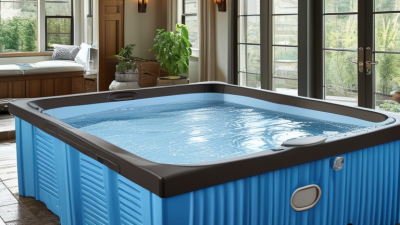
Outdoor cold plunge recovery is becoming a practical extension of the modern wellness lifestyle. The Global Wellness Institute’s 2024 Global Wellness Economy Monitor valued the global wellness economy at approximately $6.3 trillion in 2023, reflecting growing interest in home-based recovery and restorative outdoor spaces. Designed for this trend, the CT012 oval ice tub combines a refined silhouette with durable construction, allowing it to function as both a recovery tool and an attractive feature within a garden, patio, or private retreat.
Cold-water immersion is commonly used after demanding exercise because it may help reduce perceived muscle soreness and support short-term recovery. A systematic review published in *Sports Medicine* found that cold-water immersion can lessen delayed-onset muscle soreness during the first 24 to 96 hours after exercise, although individual responses vary. The tub’s generous oval shape offers room for a controlled seated plunge, while its practical design supports straightforward filling, draining, and routine cleaning. Built for outdoor use, it brings form and function together without making the setting feel clinical, creating a more inviting way to incorporate brief cold exposure into a regular recovery routine.
FAQS
Key parts include an insulated tub, circulation pump, refrigeration unit, heat exchanger, sensor, filter, and sanitation system. Each part matters.
The pump moves water through a heat exchanger. The compressor pressurizes refrigerant and transfers water heat into the surrounding air.
Steady flow distributes cooling throughout the tub. Weak circulation can leave warmer water near the surface. That makes temperature readings less reliable.
The sensor should represent the tub’s average water temperature. A sensor near the outlet may show a misleading reading. Placement needs more thought.
Compare cooling capacity, pull-down time, and energy use. Record water volume, starting temperature, room temperature, and cover position. Do not compare advertised minimum temperatures alone.
Use a certified electricity meter and record kilowatt-hours for 24 hours. Test initial cooling separately from normal temperature maintenance. The first period usually uses more electricity.
Direct sunlight, warm rooms, frequent water changes, and an uncovered tub increase heat gain. A shaded, ventilated location can reduce cooling effort. Small changes matter.
A cartridge filter catches hair, dust, and other particles. Sanitation helps control microbial growth but does not replace regular cleaning. Inspect the filter weekly during frequent use.
Insulated hoses, shutoff valves, leak protection, and secure fittings deserve attention. A loose connection can cause trouble quickly. Check electrical safety before operation.
Not necessarily. A slower system may use less energy over a month. My comparison could still miss noise, service access, filter resistance, or standby consumption.
Conclusion
Cold plunge cooling systems are designed to lower and maintain water temperature for controlled cold-water immersion, offering consistent performance beyond what ordinary ice can provide. How Cold Plunge Cooling Systems Work depends on a circulation loop: a pump moves water through a filter and heat-exchange unit, where unwanted heat is removed before the cooled water returns to the plunge tub. Modern systems may include digital temperature controls, insulated connections, flow sensors, timers, and automatic shutdown features to improve efficiency and reliability.
When comparing systems in 2026, users should consider cooling capacity, target temperature range, water-flow rate, noise, energy consumption, and suitability for the tub’s size and surrounding climate. Proper installation requires adequate ventilation, safe electrical connections, and stable positioning. Routine maintenance typically includes cleaning filters, checking hoses and fittings, monitoring water quality, and inspecting the cooling unit. Choosing the right system means balancing performance, operating cost, maintenance needs, safety features, and ease of daily use.