request to quote
Leave Your Message
0%

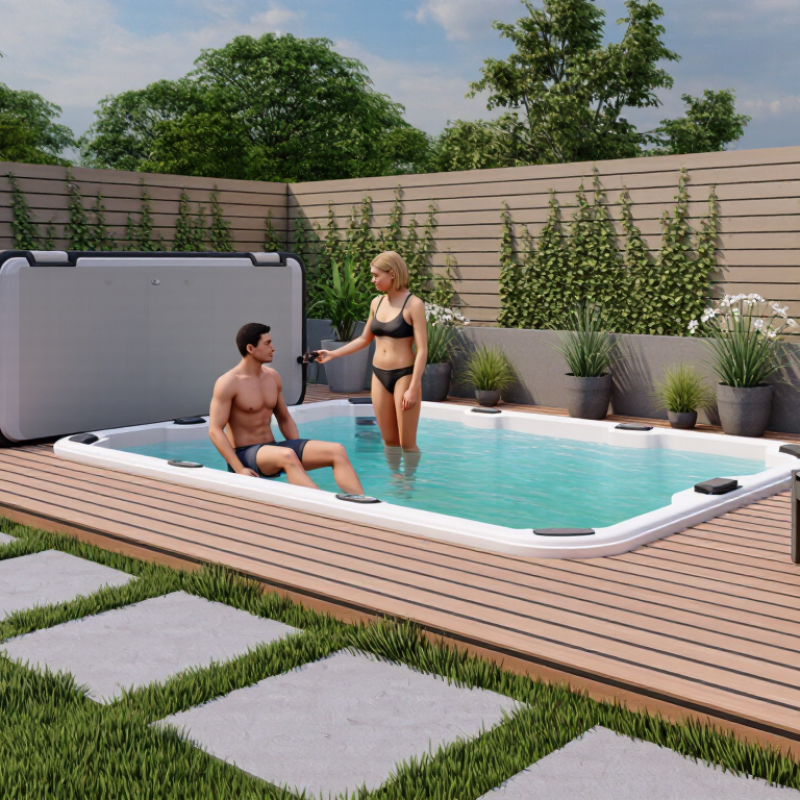
Honestly, picking the right Cold Plunge isn’t just about squeezing a tub into your yard. It’s more about matching the water volume, the interior space, and the cooling power to the actual people who’ll be using it. A compact plunge might be perfect if it’s just you and a narrow patio. But if you want two people to use it comfortably, you’ll need a bigger model — which also means more water, more floor space, and more time to cool down. So it’s a bit of a trade-off.

Okay, so before you get too excited about how a tub looks in pictures, actually check the interior dimensions—not just the outside measurements. Sit in it, stretch your legs out, and think about whether you'd want to sit upright or recline. Then, and this is the boring but important part, look at the filled weight, the chiller capacity, and what the manufacturer says about user limits. Little things can catch you off guard. Seriously, a tub that looks roomy in a product photo can feel super cramped once you're actually in it. So yeah, bigger doesn't always mean better.

Wim Hof, the guy known for cold exposure, often says, “The cold is your warm friend.” And honestly, that’s more about mindset than about finding the perfect tub size. What works best for you really depends on how comfortable you are, how much space you have, and how often you think you’ll actually use it. A bit of uncertainty is totally normal—your needs might change, and dimensions on paper can’t tell you what a plunge will feel like in person. So compare specs closely, and don’t be shy about asking the seller about returns and maintenance before you commit. You know, finding the right model really makes a difference. It brings comfort and elegance right in your own backyard—and honestly, it just elevates your whole lifestyle.
How to Choose the Right Cold Plunge Capacity in 2026?

Understanding What Cold Plunge Capacity Means

Capacity means the amount of water a plunge can hold, but the listed volume is only a starting point. Usable capacity depends on the fill line, the bather’s body, and how much water gets displaced when they enter. A tub filled to the rim may spill; one filled too low may not cover the intended area. Check interior dimensions and the maker’s recommended water level, not just the headline number.

For one person, consider whether you can sit comfortably without your knees or shoulders pressed against the sides. Shared use calls for more room, but extra volume also means more water to manage. Cold Plunge Hot Plunge models may have different operating needs, so check the setup instructions for water level and circulation. It is easy to focus on maximum capacity and overlook access, drainage, or where wet feet will land. I’d measure the available floor space before choosing a larger unit.

Tips: Measure the installation area, doorways, and route into the room. Compare usable dimensions, not gallons alone. Leave room to enter and exit safely. If unsure, ask the seller for the filled operating volume; advertised capacity can be a little confusing.

Estimating How Many People Will Use the Tub

Estimating how many people will use the tub starts with a simple distinction: regular users are not always simultaneous users. A household of four may only need one person to plunge at a time. A shared studio may need room for several users in quick succession, even if they never enter together. Ask who will use it, how often, and whether schedules overlap.

Write down a realistic busy-day scenario. For example, if two people usually plunge before work, decide whether they need separate sessions or want to enter together. Then check the tub’s stated occupancy and usable interior dimensions. A capacity label alone can be misleading; height, shoulder width, and preferred posture affect comfort. Leave enough space to sit without knees pressing against the sides. Small details matter.

Be honest about uncertainty. Guest visits may sound frequent during planning, then happen twice a year. Maybe your routine changes. That is worth admitting. Choose for the regular pattern, not an imagined crowd, unless shared use is a real requirement. For a communal setting, consider turnover, cleaning time, and access around the tub as well as headcount. Ask the supplier for interior measurements and filled weight, then compare them with the intended users and installation area. Don’t guess from photos.

Matching Water Volume to Body Size and Comfort

Choosing a Cold Plunge by its advertised litre capacity alone can mislead. Match the interior length and width to your seated posture, not just your body weight. Measure from the seat or floor to the intended waterline, and check whether your knees and shoulders fit comfortably. Taller users may need more length, not extra depth. That matters.

The CDC’s NCHS report Anthropometric Reference Data for Children and Adults: United States, 2015–2018 gives mean adult heights of 175.4 cm for men and 161.7 cm for women in its U.S. sample. These are population averages, not sizing rules; measure the tallest regular user instead. For a rough volume check, a fully submerged 75-kg person displaces about 75 litres of water, though actual displacement varies.

A plunge is rarely filled over a fully submerged person, so treat that as a reference, not a precise capacity requirement. Compare internal dimensions, usable waterline, and the marked fill limit. A tape measure helps. I’d still allow extra room for a relaxed posture; advertised capacity alone doesn’t tell you whether the fit will feel comfortable.

Checking Space, Filling, and Drainage Requirements

How to Choose the Right Cold Plunge Capacity in 2026?

Checking Space, Filling, and Drainage Requirements

Choose an Ice Cold Plunge by checking its filled footprint, not just its advertised capacity. Measure the room, doorway, and route from the entrance. Leave space to step in, lift the cover, and reach the drain. A tub that fits on paper may still block a cabinet or leave no room for a hose. Measure twice.

Capacity affects more than comfort. Water weighs about 8.34 pounds per gallon, so a 90-gallon fill adds roughly 750 pounds before the tub and user. Check the floor’s suitability with a qualified professional, especially in elevated rooms. The U.S. EPA’s WaterSense program estimates that an average family uses more than 300 gallons of water daily; that figure offers context, not a plunge-pool filling guideline. Check your unit’s instructions for its actual fill volume and drainage method. A nearby drain is useful, but never assume a floor drain can handle a fast release.

Tips: Test the hose reach and drain path before filling. Keep the outlet away from doors and foundations. If draining slowly, plan for it. I’d once have focused on capacity alone; placement can be the harder part.

Comparing Capacity with Cooling and Filtration Needs

Choosing capacity means sizing the whole system, not just the tub. More water takes longer to cool and requires more energy to bring back to target temperature. Using water’s specific heat of about 4.18 kJ/kg·°C, cooling 100 litres by 10°C removes roughly 1.16 kWh of heat, before accounting for heat entering the tub or equipment losses (NIST Chemistry WebBook). Cooling takes time.

A larger tub can feel more comfortable, but it also increases the cooling load. Compare the chiller’s stated performance at your actual starting temperature and target temperature; a capacity rating alone does not show recovery time. Check circulation and filter flow, too. CDC’s Model Aquatic Health Code treats filtration and water-quality controls as core aquatic-facility operations, while ASHRAE’s HVAC Applications handbook addresses pool and spa heating loads. These are useful references, though a home plunge may not match their operating assumptions.

For a Cold Plunge Rub routine, size capacity around the number of users and how often water is refreshed, not a guessed “ideal” volume. Ask for the filter’s rated flow and the chiller’s cooling capacity, then confirm they are compatible. A mismatch can leave water moving slowly or cooling unevenly. Leave room for maintenance access. I’d still question any estimate that ignores room temperature, lid use, and frequent entry; those details change the real workload.

Balancing Capacity, Budget, and Long-Term Use

How to Choose the Right Cold Plunge Capacity in 2026?

Capacity affects more than how many people can use a cold plunge. A larger tub usually needs more floor space, water, and time to fill and maintain. Compare the usable interior dimensions, not just the advertised volume. A tall, narrow tub may hold plenty of water but feel cramped when you sit down.

Measure the room, doorways, and route to the installation spot. Measure twice. Leave clear space for getting in and out, opening a cover, and reaching drains or controls.

Budget for the full setup, not only the tub. Water treatment supplies, electricity, a suitable cover, and possible filter replacements can add ongoing costs. Check the product’s care instructions and installation requirements before buying; designs vary.

If you expect to plunge alone, a compact model may be easier to manage. Shared use or a change in routine could make extra interior room worthwhile, but unused capacity still costs money. That matters. I’d rather have a little breathing room than discover the walls press against my knees, though the larger option is not automatically the smarter purchase.

Consider who will use it, where it will sit, and what upkeep you can realistically handle over several seasons.

Cold Plunge Therapy and the VAPA CT015: A Buyer’s Guide Informed by Grand View Research Market Data

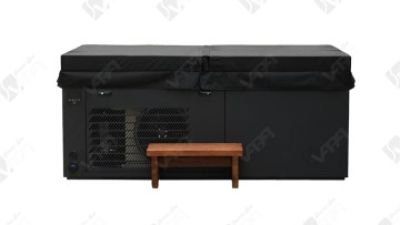
Grand View Research valued the global wellness tourism market at approximately US$814.6 billion in 2022 and projected a 12.4% compound annual growth rate from 2023 to 2030. That growth points to rising investment in recovery-oriented experiences, but buyers should compare practical operating features as carefully as market trends. For gyms and recovery centers, a cold plunge with a 1 HP water chiller, a 3–40°C temperature range, and a Wi-Fi touchscreen can support convenient temperature control. Water recirculation, a timer, and anti-freeze protection are useful considerations for regular operation and changing conditions.

Construction and upkeep also matter for backyard installations and commercial settings. Choose a tub liner in 304 or 316 stainless steel, with two-layer thermal insulation to help maintain water temperature. Exterior options include red cedar, PVC wood, and other finishes; covers are available in wood or insulated styles. Filtration combining ozone and UV treatment adds water-treatment options, though routine cleaning and water-care practices remain important. Compare these specifications against expected user volume, available space, and maintenance needs before choosing a setup.

FAQS

How many people should a plunge tub accommodate?

Choose based on regular users and whether they enter together. A household of four may need space for only one person at a time.

What should I measure before choosing a tub?

Check usable interior dimensions, including height and shoulder width. Make sure users can sit without their knees pressing against the sides.

Is the listed capacity enough to judge comfort?

No. Capacity labels do not show how different body sizes or sitting positions will feel inside the tub.

How should shared spaces estimate tub use?

Consider busy periods, turnover, cleaning time, and access around the tub. Several people may need quick sessions without entering together.

What details affect cooling time?

Water volume, starting temperature, target temperature, room temperature, lid use, and frequent entry all affect cooling. Small details matter.

How can I compare a chiller with tub capacity?

Ask for cooling performance at your actual starting and target temperatures. A capacity rating alone does not show recovery time.

Why check filter flow and circulation?

The filter’s rated flow should suit the system. A mismatch may cause slow water movement or uneven cooling.

Should I choose extra capacity for occasional guests?

Plan around regular use unless shared use is a real need. Guests may visit less often than expected; I might be overthinking that part.

Conclusion

Choosing The Right Cold Plunge Capacity starts with understanding what capacity means: the amount of water a tub holds and the space available for comfortable immersion. Consider how many people will use it, whether they will plunge individually or at different times, and how body size and preferred posture affect the water volume needed. A tub that feels spacious enough for its users can make regular use more comfortable without requiring unnecessary extra water.

Before deciding, check whether the tub fits your available space and whether filling, draining, and routine water changes will be practical. Larger volumes may place greater demands on cooling and filtration, so compare capacity with the equipment’s ability to maintain suitable water conditions. Finally, weigh the purchase price and ongoing needs against your expected frequency of use. The best choice is not necessarily the largest tub, but one that balances comfort, practicality, system performance, and long-term value.


Olivia

Olivia

Olivia is a dedicated marketing professional based in Huizhou, China, where she plays a pivotal role in promoting her company's innovative products. With a strong background in scientific research and a passion for technological advancement, Olivia brings a wealth of knowledge and expertise to her......
Previous What Is a Commercial Cold Plunge System?