request to quote
Leave Your Message
0%

Let’s be real—a commercial cold plunge isn’t just a big tub you fill with cold water. There’s actually a lot going on behind the scenes: an insulated basin, a cooling unit, circulation, filtration, and controls, all built to handle repeated use. So when you’re at a busy studio, hotel, or recovery spot, that equipment is quietly doing its job. All you see is the simple stuff—clear water, a steady temperature on the display, and a clean deck waiting for the next person.

Wim Hof, the cold-exposure guy, is the one behind that saying, “The cold is your warm friend.” It sounds great—but honestly, running a shared cold plunge takes more than just hype. You’ve got to think about capacity, cleaning routines, keeping the temperature steady, noise, drainage, and making sure people can actually get in there to service it. Little details make a big difference. For example, if the filter is a pain to reach, that routine maintenance is probably going to slide. Honestly, when you’re looking at a commercial cold plunge, the looks matter, sure—but dependable operation and clear guidance deserve just as much attention.

Alright, let's talk commercial Cold Plunge Systems. This guide walks you through the main equipment options, the installation stuff you'll need to think about, and what it's actually like dealing with these things day to day. It's really meant for operators who are comparing different systems — not someone hoping there's one perfect setup that works everywhere. A compact recovery room and a high-traffic wellness club? They've got totally different demands. Honestly, there's no perfect system out there. You can plan everything down to the last detail and still miss some practical little thing, so your actual site conditions and how much maintenance you can realistically handle should be what shapes the final call.
What Is a Commercial Cold Plunge System?

Definition of a Commercial Cold Plunge System

A commercial cold plunge system is an integrated, higher-duty setup for repeatedly cooling and circulating water in a shared-use setting. It typically includes an insulated tub, a pump, filtration, temperature controls, and a chiller. A Commercial Cold Plunge Chiller is one component, not the entire system. The installation also needs practical access for cleaning, drainage, and routine servicing. Exact capacity depends on water volume, room temperature, use frequency, and heat entering the tub.

Commercial use makes recovery time and operating conditions important. The U.S. Energy Information Administration’s 2018 Commercial Buildings Energy Consumption Survey reported 6.8 quadrillion Btu of annual energy use across U.S. commercial buildings. That figure covers all building uses; it is not a cold-plunge benchmark. Still, it underscores why operators should review chiller power demand and ventilation needs rather than judging equipment by cooling claims alone. Ask for tested cooling capacity under stated conditions, electrical requirements, filtration details, and maintenance intervals. Specifications can be easy to compare. Real operating conditions are less tidy.

Tips: Check water temperature with a separate calibrated thermometer, and record recovery time after use. Confirm who cleans the filter and water-contact surfaces. Small details matter. A system that looks powerful on paper may struggle in a warm, busy room.

Core Components of a Commercial Cold Plunge System

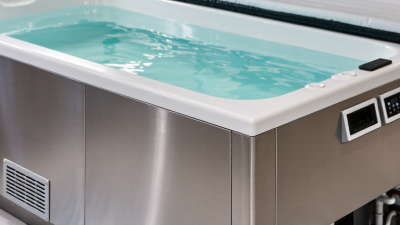
A commercial cold plunge system is more than a tub paired with a cooling unit. Its core components must work together under repeated daily use. The vessel should have durable, nonporous surfaces, rounded interior edges, and easy-to-clean access points. A 2 Person Cold Plunge Commercial unit needs enough room for two users while preserving safe entry and staff access. Fit matters. Water volume, insulation, a fitted cover, and room temperature all affect chiller workload. Choosing a chiller by tub capacity alone may not account for busy periods or heat entering the water.

The circulation loop typically includes a pump, a correctly sized filter, plumbing, and a chiller with temperature controls. Filtration alone does not disinfect water, so the system also needs a suitable sanitation method maintained according to its instructions. Include accessible shutoff valves, secure connections, and drainage staff can inspect. Electrical installation should be handled by qualified professionals, with equipment appropriate for a wet environment. Keep service panels reachable. Operating logs can track temperature, water checks, filter cleaning, and maintenance. Details matter. No layout eliminates daily upkeep, and a crowded equipment area can make routine tasks easy to overlook. Have the installer verify water flow, cooling performance, and safe access at the actual site before opening.

What Is a Commercial Cold Plunge System? — Core Components of a Commercial Cold Plunge System

Component Primary Function Key Considerations for Commercial Use
Plunge Basin Holds the water and provides the space for users to immerse themselves. Consider capacity, durable and cleanable surfaces, comfortable entry and exit, and a design suited to the available floor space.
Insulated Cabinet or Shell Helps reduce heat transfer between the water and the surrounding environment. Effective insulation can help the cooling system maintain the set temperature while limiting unnecessary energy use.
Chiller Removes heat from the water to bring it to and maintain the selected temperature. Capacity should match the water volume, expected usage, room conditions, and desired recovery time. Ventilation and heat rejection also need consideration.
Circulation Pump Moves water through the system to support cooling, filtration, and treatment. Flow should be compatible with the basin and connected equipment. Routine inspection and access for servicing are important in high-use settings.
Water Filtration Captures suspended particles as water passes through a filter. Filter type and maintenance frequency depend on usage and system design. Filters require regular cleaning or replacement according to the manufacturer’s instructions.
Water Treatment Helps manage water quality and reduce microbial growth when used as part of an appropriate treatment plan. Commercial operators should follow applicable health requirements, test water as directed, and maintain treatment equipment and records.
Temperature Controls and Sensors Measure water temperature and allow operators to monitor or adjust system settings. Controls should be easy to read and operate. Sensor placement, calibration, and temperature monitoring support consistent operation.
Plumbing and Valves Connect the basin to circulation, filtration, cooling, treatment, and water-supply components. Accessible shutoff valves and service connections can simplify maintenance. Materials should be suitable for the system’s water and operating conditions.
Drain and Overflow Allows the basin to be emptied and helps manage water removal. Drainage should be planned to meet local plumbing requirements and prevent unintended water discharge or pooling around the unit.
Electrical Supply and Protection Provides power to the chiller, pump, controls, and other electrical equipment. Electrical installation should be performed by a qualified professional and comply with local codes, including requirements for wet areas and protective devices.
Access and Safety Features Help users enter and exit the basin and support safe operation of the surrounding area. Non-slip flooring, clear operating instructions, appropriate handholds or steps, and unobstructed access can help reduce avoidable hazards.
Service Access and Maintenance Plan Enables inspection, cleaning, repairs, and routine replacement of consumable parts. Allow space around equipment and establish a schedule for checking water quality, filters, pumps, drains, controls, and cooling performance.

How a Commercial Cold Plunge System Cools and Circulates Water

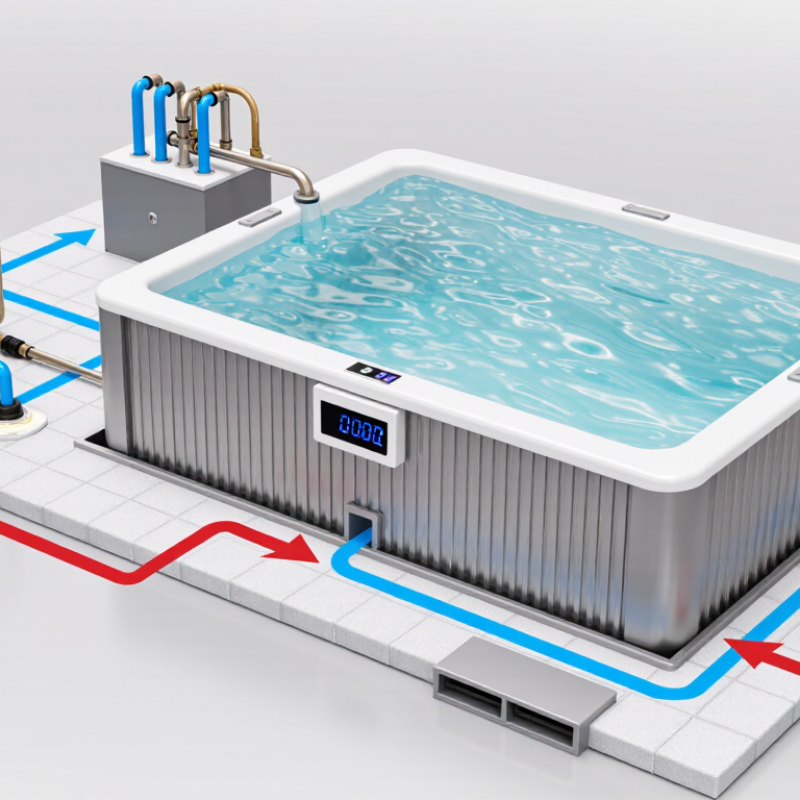
A commercial cold plunge system cools water through a recirculating loop. A pump draws water from the basin, sends it through a strainer and filter, then moves it across a chiller’s heat exchanger. The chiller transfers heat from the water into a refrigerant circuit and releases it outside the basin. Cooled water returns through inlet fittings, helping mix the basin and limit warm pockets. Sensors monitor water temperature and control cooling. Filtration catches debris; it does not lower temperature. That distinction matters.

ASHRAE’s Handbook—Fundamentals lists water’s specific heat at about 4.18 kJ per kilogram per degree Celsius.

Using that value, cooling 1,000 liters of water by 10°C requires roughly 41.8 megajoules, or 11.6 kWh of heat removal.

This is a thermal estimate, not the chiller’s electrical consumption. Actual power use varies with insulation, room temperature, cover use, and how often people enter the basin. A simple calculation cannot capture every heat gain. Operators should also check circulation and temperature readings at different points, since a single sensor may miss uneven mixing.

Common Types of Commercial Cold Plunge Systems

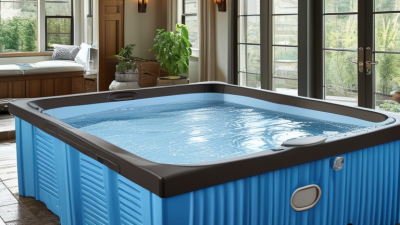
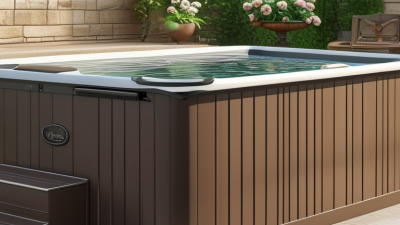
A commercial cold plunge system is designed for repeated use in settings such as gyms, studios, and recovery facilities. One common type is a self-contained tub with an integrated chiller and circulation equipment. It arrives as a largely complete unit, which can simplify installation. Staff still need to check access, drainage, and cleaning requirements before choosing a location.

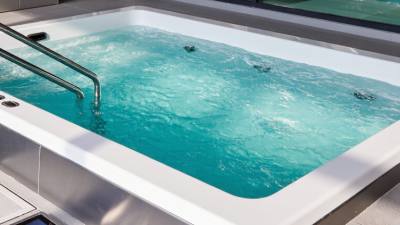
Built-in systems place the basin and mechanical equipment separately. This can create a cleaner room layout, but planning matters: technicians need practical access to filters, pumps, and pipework. Multi-user facilities may prefer several individual tubs or a larger shared basin. Individual units can make cleaning between users more straightforward. Shared basins may need closer attention to water treatment and operating procedures. Details count.

Some facilities use ice-fed tubs instead of dedicated chilling equipment. They may suit lower-use settings, though staff must manage ice supply and water temperature manually. There is no single best format. The easiest system to install may not be the easiest to maintain, and that trade-off deserves an honest review. When comparing commercial cold therapy solutions, consider expected daily use, staff capacity, sanitation routines, and service access—not just the tub’s appearance.

Water Quality, Hygiene, and Safety Features

A commercial cold plunge system is more than a chilled tub. It needs steady circulation, effective filtration, and a suitable disinfection process to help keep water clean between users. These parts do different jobs: a filter catches debris, while disinfection helps control microorganisms. Neither replaces regular water testing. Staff should use the test method and schedule recommended for the system, record results, and respond when readings fall outside its operating range. Small details matter. A cloudy surface, clogged filter, or unusual odor deserves attention, not a quick cover-up.

Hygiene also depends on the space around the water. Provide a clear way to rinse before entry, keep towels and personal items away from the tub, and clean touch points such as handrails and controls on a defined schedule. Safety features should include stable steps, slip-resistant flooring, visible temperature readings, and an accessible way to stop the system. Staff need clear procedures for cleaning, equipment checks, and pausing use when a problem appears. A checklist helps, but it can still be missed during a busy shift. That is worth reviewing honestly. Follow the equipment instructions and applicable public-health guidance, and avoid treating filtration or cold water as a guarantee of safety.

Where Commercial Cold Plunge Systems Are Used

# What Is a Commercial Cold Plunge System?

## Where Commercial Cold Plunge Systems Are Used

A commercial cold plunge system is a cooled, high-use tub with water circulation, filtration, and temperature controls. It is designed for shared facilities, where staff need practical cleaning routines and reliable operating procedures. Placement matters.

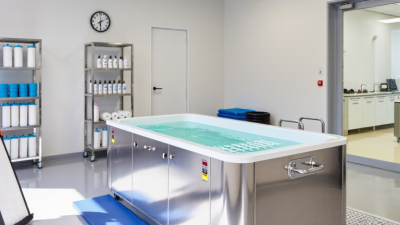
Common locations include hotel spas, wellness clubs, fitness centers, athletic training facilities, and recovery studios. A Commercial Sauna may sit nearby, creating a contrast-therapy area, though each facility should set its own operating guidance. Resorts may also add plunge tubs to spa or pool areas. In every setting, assess capacity, drainage, ventilation, staff oversight, and guest access before installation.

The Global Wellness Institute’s *2023 Global Wellness Economy Monitor* valued wellness tourism at **$651 billion in 2022**. That figure describes the wider travel market, not cold plunge sales, but it helps explain why hotels and wellness destinations invest in dedicated guest experiences. Demand alone is not a plan. Some sites may find that maintenance and supervision outweigh the appeal.

**Tips:** Map the guest route from changing area to tub, and keep towels and non-slip flooring close by. Set clear use instructions, record water checks, and train staff on cleaning and equipment procedures. Don’t overlook the basics.

Commercial Cold Plunge Systems: Common Uses and Water Temperature

Commercial cold plunge systems may be found in sports performance facilities, gyms, spas, hotels and resorts, and rehabilitation or physiotherapy settings. The chart shows 10–15°C (50–59°F), a commonly studied range for cold-water immersion—not a required setting for every facility or user. Clinical use should follow professional guidance.

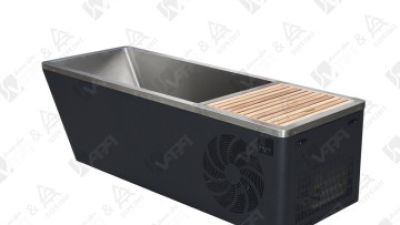
Cold Plunge Trends Through the Lens of GWI’s 2024 Global Wellness Economy Monitor: Vapasauna CT026

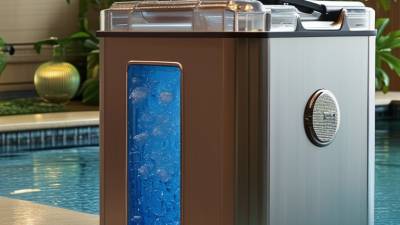
Cold plunging is gaining attention as consumers seek structured ways to add recovery and mindfulness to their wellness routines. The Global Wellness Institute’s *2024 Global Wellness Economy Monitor* estimates that the global wellness economy reached $6.3 trillion in 2023 and could grow to $9 trillion by 2028, with average annual growth of 7.3%. The report does not isolate cold plunges as a market category, but its broader findings reflect strong demand for wellness experiences and products. Within this trend, a stainless steel cold plunge can offer a durable, clean-lined option for a dedicated home or spa setting.

Choosing equipment is only one part of a thoughtful cold-water routine. Users should consider the available space, water care, and a comfortable approach to temperature and session length, adapting their practice to personal needs. Stainless steel construction may appeal to buyers seeking a robust material for regular use, while a simple setup can make the experience easier to incorporate consistently. As interest in recovery-focused wellness continues to expand, cold plunges sit at the intersection of practical equipment and a wider cultural shift toward intentional self-care.

FAQS

What should a commercial Cold Plunge Tub be made for?

Choose durable, nonporous surfaces, rounded interior edges, and access points staff can clean easily. Fit matters.

How should a chiller be selected?

Consider water volume, insulation, a fitted cover, room temperature, and busy periods. Tub capacity alone may not show the full cooling demand.

Which parts support water circulation?

A typical loop includes a pump, correctly sized filter, plumbing, and chiller with temperature controls. Keep valves and connections accessible for inspection.

Does filtration disinfect the water?

No. A filter catches debris, while a suitable sanitation method helps control microorganisms. Regular water testing is still needed.

How can staff monitor water quality?

Follow the system’s recommended test method and schedule, record readings, and respond when results leave the operating range. Cloudiness, clogged filters, or unusual odors need attention.

What hygiene steps help between users?

Provide a rinse area before entry, keep towels away from the tub, and clean handrails and controls on a set schedule. Small routines add up.

Which safety features should the space include?

Use stable steps, slip-resistant flooring, visible temperature readings, and an accessible system stop. Clear staff procedures matter, too.

What should be checked before opening?

Have a qualified installer verify water flow, cooling performance, electrical suitability, and safe access at the site. Keep service panels reachable.

Do logs and checklists prevent missed maintenance?

They help track temperatures, water checks, filter cleaning, and repairs. But a busy shift can still lead to missed tasks; review the process honestly.

Conclusion

A Complete Guide To Commercial Cold Plunge Systems explains what these systems are and how they differ from simple tubs of chilled water. Designed for shared or frequent use, a commercial system typically combines a plunge tub with a cooling unit, circulation pump, filtration components, plumbing, and controls. The cooling unit lowers the water temperature, while the pump moves water through the system to help maintain consistent conditions. Different setups may be self-contained, connected to separate equipment, or configured for multiple tubs, depending on available space and intended use.

The guide also covers water quality, hygiene, and safety features, such as filtration, routine water treatment, temperature monitoring, and accessible controls. These systems may be found in wellness facilities, fitness centers, spas, hotels, and other settings that provide supervised cold-water immersion. Understanding their components and operation helps facilities choose an appropriate setup, plan for regular maintenance, and create a clean, comfortable experience for users.
Alexander

Alexander

Alexander is a dedicated marketing professional based in Huizhou, China, where his company operates out of a modern manufacturing facility spanning over 10,000 square meters. With a robust team of more than 20 skilled technicians, Alexander plays a vital role in bridging the gap between innovative......
Previous 7 Tips on How to Choose a Commercial Ice Bath Tub?