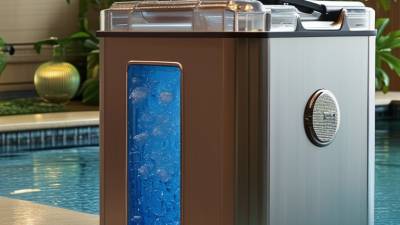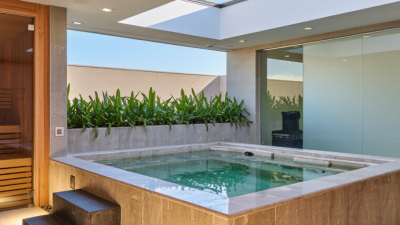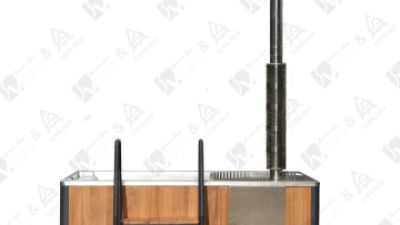
Picking a commercial Ice Bath isn't just about how cold you can get the water. Honestly, it’s about matching things like size, cooling power, sanitation, and service to what you’ll actually be dealing with day in and day out. A tub in a busy recovery studio is going to have way different needs than one in a small training room, right? So before you get too deep into the specs, ask yourself: who’s using it, how often, and who’s stuck cleaning the thing?
So Alex Morgan—he’s a consultant who works with commercial recovery equipment—puts it about as simply as you can get: “Go with something that works reliably every day, not the one with the flashiest spec sheet.” Honestly, that mindset is a solid reality check. You want to look at the actual usable space inside the tub, how the filtration handles water, temp controls, drainage, insulation, warranty—the whole package. And here’s a good trick: imagine someone having to swap out the filter at the end of a long shift. If that routine chore feels like a pain just thinking about it, it’s probably going to be a pain in real life too. Just because something has a lower price tag doesn't mean it's actually cheaper in the long run—maintenance costs can sneak up on you. So yeah, make sure you're looking at the full operating picture, not just the sticker price.
Alright, so if you're trying to figure out how to choose a commercial Ice Bath Tub, this guide walks you through seven things worth checking—everything from build quality to what kind of after-sales support you're actually going to get. We also touch on how something like anIce Bath Machine Ice Bath Cold Plunge setup might fit into different types of facilities. Honestly, there's no one-size-fits-all option for every business. Look, it's easy to get swept up by a shiny showroom display. But specs? You really need to dig into them—and don't just take the supplier's word for it. Verify before you buy. That glossy machine might look great on day one, but it won't tell you how it holds up after months of real, everyday use. And honestly, the small details are what make or break a purchase. The right fit isn't just about features—it needs to suit your actual users, your space, and how much time your team can realistically spend on upkeep.
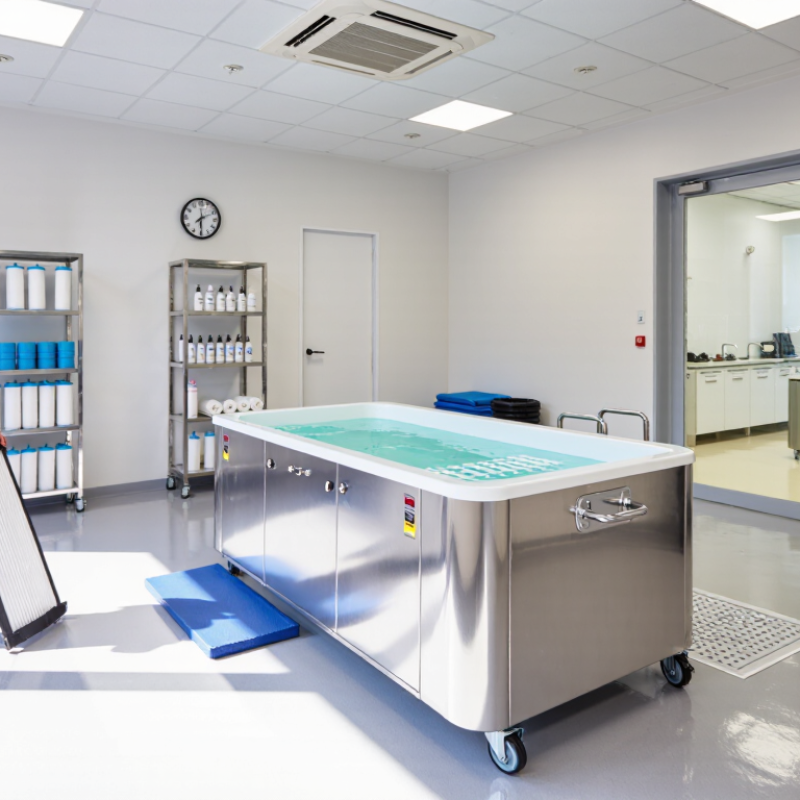
Before comparing features, define where the Commercial Ice Tub will be used and who will use it. A hotel spa, training facility, and shared wellness studio may have very different schedules and supervision needs. Note whether use is occasional, appointment-based, or concentrated after classes. Peak load matters.
Tip 1: Estimate simultaneous users, not just daily visitors. A tub intended for one person at a time serves a different workflow from a setup with several tubs.
Tip 2: Map busy periods, session length, and cleaning time between users. These details help you assess capacity without guessing from total foot traffic alone.
Then compare that demand with the tub’s usable dimensions, water volume, and operating requirements. Check the space around it for safe entry, exit, and staff access. Confirm that the site can support the required water supply, drainage, and electrical setup. Ask how the system handles repeated use and what routine cleaning involves. Small details matter. A capacity estimate may be imperfect at first; track actual use after opening and adjust scheduling or equipment plans where practical.
Start with the room, not the product photo. Measure the floor area, doorway, and route from delivery entrance to installation point. Include space for the lid, steps, and safe entry. A tub that fits on paper may still block a door or leave no room to move around it. Small detail, big difference.
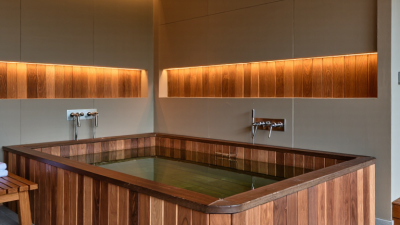
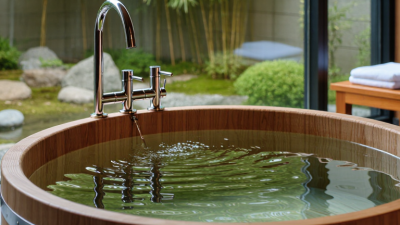
Match capacity to your busiest realistic use, rather than choosing the largest model by default. Check the internal dimensions, water capacity, and access requirements in the supplier’s specifications. A Wooden Ice Bath Ice Pool may need more floor space than its basin suggests, especially when users need room to sit, turn, and enter without squeezing past equipment. Also confirm the filled weight with the supplier and ask a qualified building professional whether the floor can support it. Don’t guess.
Configuration matters in a commercial setting. A freestanding unit can simplify placement, while a built-in installation may require planned drainage and service access. Leave a clear path for cleaning and routine maintenance; a tight corner can make simple tasks awkward. Sketch the layout with real measurements, including nearby sinks, walls, and other equipment. Then check the delivery route again. It is easy to overlook.
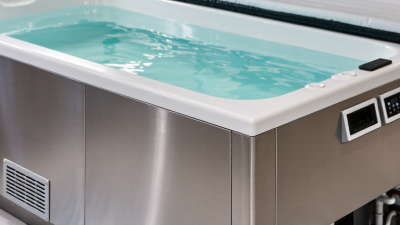
A commercial ice bath faces more than cold water. It also faces repeated filling, draining, cleaning, and contact with disinfectants. Stainless steel offers a rigid, cleanable surface, but grade and weld quality matter. Ask for the specified alloy, seam details, and care instructions—not simply “stainless.” Chlorinated or salty water can still challenge unsuitable metal. Small details matter.
Molded polyethylene resists corrosion and can reduce maintenance, though its walls may flex or scratch. Fiberglass can insulate well, but inspect the finish and repair options carefully. Compare the frame, insulation, drain fittings, and access panels too; a durable shell cannot rescue weak connections. The NACE IMPACT study estimated corrosion costs the global economy US$2.5 trillion annually, or 3.4% of global GDP. That figure covers many industries, not ice baths specifically, but it shows why material selection deserves attention. Request documented material specifications and warranty exclusions. Then consider the actual cleaning routine and installation environment. I would not assume the most expensive tub lasts longest. Sometimes, the overlooked drain tells you more.
A commercial ice bath should hold its set temperature during repeated use, not merely reach a cold number on an empty display. Ask for cooling capacity in kilowatts, tested water volume, starting temperature, target temperature, and pull-down time. Compare only results measured under similar conditions. AHRI Standard 550/590-2023 rates water chillers at defined conditions, including 44°F leaving chilled water for common water-cooled chiller ratings. That benchmark helps explain why a chiller’s advertised capacity may not predict performance at ice-bath temperatures.
The comparison is imperfect.
Check how the system behaves under real operating conditions. Ask the supplier for a test with the stated tub volume, circulation rate, and repeated-use schedule. Confirm whether temperature is measured in the tub or only at the chiller outlet; those readings can differ. Look for a stated operating range and a clear recovery time after users enter. Small details matter. A precise digital display is not proof of stable water temperature. I would also ask for service logs or documented test results, not just a brochure graph. Data can be thin here, and that deserves scrutiny. Choose controls that show actual water temperature, allow a practical setpoint, and alert staff when readings drift.
A commercial ice bath should have filtration sized for its water volume and expected daily use. Ask for the pump’s flow rate, filter type, and a clear schedule for replacing or cleaning filter media. Confirm how the system handles suspended particles and whether treatment equipment works alongside the filtration cycle. CDC reported 208 outbreaks and 2,632 illnesses linked to treated recreational water during 2015–2019. That report was not specific to ice baths, but it underlines why treatment records matter. Look for a documented water-testing routine, not just a powerful chiller.
Cleaning access matters as much as equipment specifications. Check whether staff can reach the tub’s drain, pipework, and filter housing without dismantling the unit. Ask for written steps covering water changes, surface cleaning, and disinfection, including which products are compatible with the tub. If ultraviolet or ozone treatment is included, ask what separate water-treatment controls remain in place. Keep dated logs of test results and cleaning tasks; they make missed steps easier to spot. A spotless-looking surface is not proof of clean water. This detail is easy to overlook. Compare the supplier’s instructions with guidance in the CDC’s *Model Aquatic Health Code*, while recognizing that its provisions may not directly cover every ice-bath setup.
| Tip | What to Check | Practical Selection Guidance | Why It Matters | Questions to Ask the Supplier |
|---|---|---|---|---|
| 1. Match the tub to expected use | Capacity, intended user count, access, and space around the unit. | Choose a configuration that suits the expected number of users and allows safe entry, exit, and routine servicing. Confirm the filled weight and required floor support. | Commercial use can involve frequent users, so capacity and access affect both the user experience and day-to-day operation. | What is the usable capacity? What are the filled weight, clearance, and installation requirements? |
| 2. Check filtration performance | Filter type, rated flow, replacement availability, and compatibility with the tub’s circulation system. | Ask for the specified flow rate and filtration design for the actual tub configuration. Select a system sized for the expected bather load; do not compare filter micron ratings alone. | Filtration helps capture suspended particles, but it does not by itself disinfect water or remove every dissolved contaminant. | What flow rate is required? How often should the filter be inspected, cleaned, or replaced under commercial use? |
| 3. Verify the water-treatment plan | Approved sanitizer, dosing method, water testing, and compatibility with the tub and its components. | Use a treatment plan appropriate to the product and local health requirements. Confirm how staff will test and record water quality. UV or ozone equipment, where fitted, should not automatically be assumed to replace an approved sanitizer. | Filtration and sanitation serve different purposes. A clear-looking appearance alone does not confirm that water is adequately treated. | Which treatment methods are supported? What test parameters and records are required for this installation? |
| 4. Review cleaning and water-change procedures | Drain access, cleaning instructions, water-change guidance, and access to internal surfaces. | Look for a documented cleaning procedure and a practical way to drain, rinse, and refill the tub. Cleaning and water-change frequency should follow the manufacturer’s instructions, water test results, usage, and local rules. | Accessible cleaning helps staff maintain the tub consistently and respond to heavy use or water-quality issues. | How is the tub fully drained? Which cleaners are permitted, and what conditions require a water change? |
| 5. Choose surfaces that are easy to maintain | Interior finish, seams, corners, fittings, and resistance to the approved cleaning products. | Favor smooth, non-porous surfaces with minimal hard-to-reach joints. Confirm that cleaning chemicals and treatment levels will not damage the finish or seals. | Surface design affects how easily staff can inspect and clean areas where residue may collect. | Are the interior materials compatible with the specified sanitizer and cleaning products? |
| 6. Inspect plumbing and service access | Pipework layout, accessible filter housing, valves, drain position, and service clearances. | Check that routine filter servicing and repairs can be performed without dismantling major parts of the installation. Confirm that drainage can be routed safely to an appropriate outlet. | Good access reduces service disruption and makes routine maintenance more manageable. | Which parts require scheduled inspection? What access space and drainage connection are needed? |
| 7. Compare operating support and documentation | Operating manual, maintenance schedule, staff training, replacement parts, and technical support. | Request written instructions for startup, daily checks, filter care, water treatment, cleaning, and troubleshooting before purchase. | Clear procedures help staff operate the system consistently and identify issues early. | Are maintenance logs, troubleshooting guidance, and replacement parts available for the expected service life? |
Note: Filtration, sanitation, cleaning, and water-change requirements vary by equipment design, usage, and local regulations. Follow the manufacturer’s instructions and applicable health requirements for the installation.
7 Tips on How to Choose a Commercial Ice Bath Tub?
Assess Safety, Accessibility, and Operating Costs
Tip 1: Check entry and exit safety before comparing finishes. Look for stable steps, handholds, and a slip-resistant floor around the tub. Ask how the unit drains, and whether staff can clean hard-to-reach areas. A neat showroom display can hide awkward access. Visit a working installation if possible.
Tip 2: Make accessibility part of the layout. Measure doorways, turning space, and the route from changing areas to the tub. Consider different user heights and mobility needs, not just the average customer. Confirm that controls are easy to reach and understand. Small details matter. A rushed site measurement is easy to regret.
Tip 3: Estimate operating costs beyond the purchase price. Ask for expected water, electricity, filtration, and routine service requirements. Compare insulation and cover designs, since heat gain can affect cooling demand. Request written specifications rather than relying on broad claims. Include staff time for cleaning and checks. It adds up. When comparing commercial hot tub solutions, distinguish heated-water features from the cooling equipment an ice bath requires. Finally, check what replacement parts and maintenance support are available; the cheapest option may not stay cheapest.
When comparing a commercial ice bath tub, treat certification as a paper trail, not a logo. Ask for the exact certificate, issuing body, tested model, and electrical standard; confirm the listing covers the complete unit, including its chiller and controls. The CDC’s 2023 Model Aquatic Health Code offers guidance on aquatic-facility operation and water quality, but it is not an ice-bath product certification. Use it as a reference, not a substitute for product-specific evidence. Check whether materials contacting water are documented for their intended use. Details matter.
Read warranty terms before comparing price with commercial hot tub options. A tub shell, refrigeration system, pump, and control panel may have different coverage periods. Check exclusions for commercial use, water chemistry, installation, and routine maintenance. Ask who pays for labor, shipping, and replacement parts. Get it in writing. A long warranty is less reassuring if service requires shipping a heavy unit across the country.
Service support deserves a practical test. Ask for typical response times, local technician coverage, parts availability, and written maintenance instructions. The Global Wellness Institute’s 2024 Global Wellness Economy Monitor estimated the wellness economy at $6.3 trillion in 2023 and projected $9 trillion by 2028. That broad market figure signals growth, not proof that any particular tub is reliable. Request references from commercial operators and inspect service records where possible. I would still ask one awkward question: what happens when the chiller fails on a busy day?
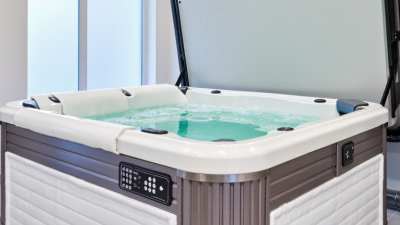
A hybrid hot tub offers a flexible way to enjoy warm-water relaxation outdoors, giving families a comfortable place to unwind together. Its adaptable heating approach can suit changing routines, whether you are settling in for a quiet evening or sharing a leisurely soak after a busy day. With space to pause and reconnect, an outdoor hot tub can make ordinary moments feel more restorative throughout the year.
For a welcoming wellness corner, place the tub in a convenient, private area and complement it with comfortable seating, soft lighting, and a clear path in and out. Families can make soaking part of a calm routine, while keeping sessions comfortable for everyone and following the care and safety guidance supplied with the product. The combination of flexible heating and an inviting outdoor setting helps create a relaxing retreat at home—one that can be enjoyed at a pace that works for the whole household.
Look for stable steps, secure handholds, and slip-resistant flooring. Check that staff can drain and clean the tub easily. A polished showroom can hide awkward access.
Measure doorways, turning space, and the route from changing areas. Consider users with different heights and mobility needs. Check that controls are easy to reach.
Estimate water, electricity, filtration, servicing, and staff cleaning time. Ask for written specifications. Insulation and a well-fitting cover may reduce cooling demand.
Ask for the exact certificate, issuing body, tested model, and electrical standard. Confirm the documents cover the full unit, including its chiller and controls. Details matter.
Compare coverage for the shell, refrigeration system, pump, and control panel. Check exclusions for commercial use, installation, water chemistry, and maintenance.
Ask whether labor, shipping, and parts are covered. Get the terms in writing. A long warranty may be less useful if service is far away.
Ask about response times, nearby technicians, parts availability, and written maintenance instructions. Request references from commercial operators, if possible. I might still miss something.
Ask what happens if the chiller stops during a busy day. Confirm the repair process and expected downtime. That detail is easy to overlook.
How To Choose A Commercial Ice Bath Tub starts with defining how the tub will be used, how many people may use it, and how frequently it will operate. These details help determine the right capacity, dimensions, and configuration for the available space. Compare construction materials for durability and ease of maintenance, and consider whether the design can withstand regular use in a commercial setting.
Next, evaluate cooling speed, temperature consistency, and the clarity of the controls. Review filtration and water-treatment needs, including how often the water and components require cleaning. Safety features, accessibility, energy use, and ongoing operating costs also affect the tub’s suitability. Before making a decision, check relevant certifications, warranty terms, and the availability of service support. Considering these factors together can help you select a practical, dependable tub that fits both your facility’s needs and its long-term budget.