request to quote
Leave Your Message
0%

Okay, so here's the thing about picking a Cold Plunge – it really boils down to one practical question: who's going to be using it, and how often? If it's just you hopping in solo, you don't need a huge tank. But if the whole family's planning to take turns every day, that's a whole different story. And honestly, the size difference doesn't just affect how comfy you feel. It changes everything – the footprint, how long it takes to fill, how much you're fussing over water care, and what it'll cost you in the long run. So before you commit, measure the space you have – and don't forget to leave room for actually getting in and out! Then, once you've got that sorted, check the manufacturer's usable water volume, not just the external dimensions. That's where the real capacity lies.

So, according to the Global Wellness Institute's 2024 report, the global wellness economy was worth a whopping $6.3 trillion back in 2023. Now, that number covers a whole lot of ground—it's not just about cold plunges or things that actually work. But still, with that kind of money floating around, you'd think buyers would deserve some straight answers when they're picking products. You've probably heard of Wim Hof, the cold-exposure guy, always saying, 'The cold is my warm friend.' It sounds great, but it doesn't really tell you how much water you need at home, does it? Honestly? That part takes some real planning, you know.

So, this guide walks you through ten things to think about—like how many people will actually use it, how often you’ll soak, plus the nitty-gritty like filtering, keeping it clean, and where you’ve got room to put it. A smaller tub might be perfect if it’s just you, but if you’re planning to share, a bigger one makes sense—though it’ll guzzle more water and take up more space. Honestly, there’s no one-size-fits-all here. If I were to guess my own ideal size without measuring the doorway first—or checking how easy refilling would be—I’d probably get it wrong. But when you find the right one, it’s not just a tub; it’s a little slice of comfort and class right in your own backyard. Honestly, that can totally lift your everyday vibe.You know what? You can have elegance right in your own backyard – and honestly, it's a total game-changer for your lifestyle. Seriously, who wouldn't want that?
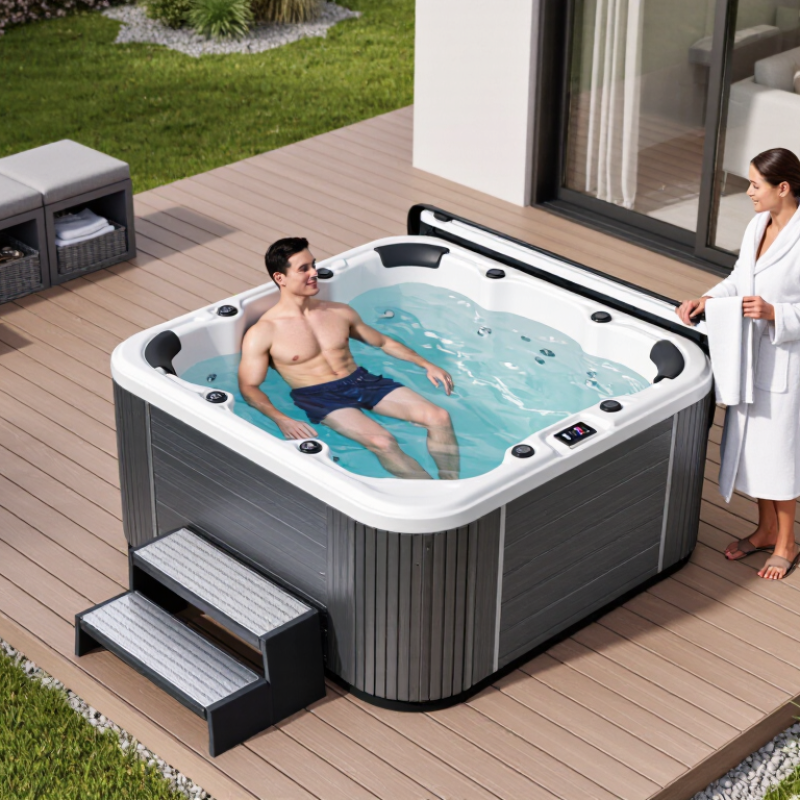
Top 10 Factors for Choosing the Right Cold Plunge Capacity

Defining Cold Plunge Capacity and How It Is Measured

Cold plunge capacity describes how much water a tub holds, but the number can mean different things. It may refer to total internal volume or the recommended fill volume. The usable amount is usually lower when water must stay below a fill line. That distinction matters. A tub’s shape and dimensions also affect whether one person can sit comfortably, even when its listed volume seems generous.

Capacity is commonly measured in liters or gallons. To estimate the water needed, use the tub’s interior dimensions and the intended water level, not just its outside measurements. A simple rectangular estimate is length × width × water depth; rounded or tapered tubs need a more cautious estimate. A person entering the tub displaces water, so leave room below the rim. Measure twice. Check the maker’s stated fill line and whether its capacity means total volume or usable water volume. I would not treat one number as a complete description of fit.

**Tips:** Compare interior length, width, and depth alongside the capacity figure. Picture your usual seated position, and check that the waterline stays below the rim when occupied. If the measurements feel unclear, ask for the usable fill volume before choosing.

Estimating How Many Users Need the Plunge at Once

Estimate capacity from peak demand, not the total number of people who might use the plunge in a day. Ask how many people are likely to arrive during the same 30-minute window, and whether they expect to enter together. A household may need space for two users at once; a shared facility may see uneven waves after a class or work shift. These are planning assumptions, not guarantees. Write them down, then check them against actual use.

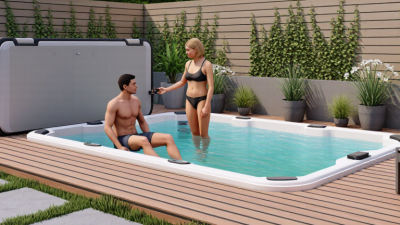
Look at the usable interior dimensions and seating positions, not just the tub’s outside footprint. Two people need enough room to enter, sit comfortably, and leave without awkward crowding. If users will take turns, estimate how long each visit lasts and allow time for entry, exit, and basic cleaning between users. Leave room. A larger unit can help with simultaneous use, but it also takes more floor space and may be harder to maintain. If the estimate feels uncertain, track expected arrivals for a typical week and revise it; real patterns can be messier than a neat schedule.

Top 10 Factors for Choosing the Right Cold Plunge Capacity - Estimating How Many Users Need the Plunge at Once

Choose capacity by first estimating how many people need access at the same time. Water volume alone does not determine user capacity: the plunge must also provide enough safe, comfortable space for each intended user.

# Capacity Factor What to Estimate Practical Planning Method Illustrative Example
1 Peak simultaneous users The greatest number of people likely to want a plunge at the same time. Use busy-period observations, reservations, class schedules, or expected occupancy—not the daily average. If 4 people may arrive together and each needs a separate position, plan for 4 positions or a queue.
2 Users per session Whether users are comfortable sharing one plunge or require individual access. Confirm the intended use, privacy expectations, accessibility needs, and facility policies before counting shared capacity. A group of 4 does not automatically fit safely in one tub; verify the usable interior dimensions and manufacturer guidance.
3 Session length How long each user occupies a plunge, including entry and exit. Estimate the full station-occupancy time rather than immersion time alone. At 5 minutes of use plus 2 minutes to enter and exit, one position serves about 8 users per hour before other delays.
4 Turnover and cleaning time Time needed between users for checks, cleaning, or other facility procedures. Add the required reset time to the session length when calculating hourly throughput. With a 7-minute session and an 8-minute reset, each position has a 15-minute cycle, or up to 4 cycles per hour.
5 Hourly demand How many users may need service during the busiest hour. Estimate required positions as hourly users × minutes per station cycle ÷ 60, then round up. 12 users per hour × 15 minutes ÷ 60 = 3 positions, assuming demand is evenly distributed and the cycle time is met.
6 Peak-arrival clustering Whether users arrive steadily or in groups after classes, work shifts, or appointments. Use arrival patterns to decide whether extra simultaneous capacity or a managed booking schedule is needed. Three users arriving together may require 3 available positions even if average hourly demand would suggest fewer.
7 Body size and usable space The range of user sizes and the space needed to enter, exit, and maintain a comfortable position. Check the plunge’s usable interior measurements and rated occupancy; do not estimate capacity from outside dimensions. A tub marketed for multiple users may feel crowded for larger adults or users who need additional room.
8 Water volume and displacement Fill volume at the operating waterline, accounting for users and required clearance. Follow the manufacturer’s fill limits and leave the specified freeboard to reduce overflow when users enter. Do not fill a tub to the rim: entering users displace water and can cause overflow or wet, slippery surroundings.
9 Cooling and recovery rate Whether the system can maintain its target temperature during repeated use and after refilling. Ask for cooling performance under realistic operating conditions, including water volume, ambient temperature, and usage frequency. A larger water volume may provide more space but can take longer to cool; frequent use also adds heat to the water.
10 Space, access, and operations Available floor area, safe entry and exit, supervision, accessibility, and maintenance access. Include circulation space and service clearance in the layout, and check applicable local requirements. A larger multi-user unit may not be practical if it blocks access routes or leaves insufficient room for safe entry and exit.

Planning note: Examples are arithmetic illustrations, not a universal occupancy standard. Confirm user capacity, fill level, operating limits, sanitation procedures, and applicable safety requirements with the equipment provider and relevant authorities.

Matching Tub Size to Body Dimensions and Immersion Depth

Choosing capacity starts with your body, not the tub’s headline volume. Measure your seated height, shoulder width, and hip width before comparing options. Check the usable interior dimensions; thick walls and sloped sides can reduce space. For shoulder-level immersion, consider the tub’s depth with you seated and your knees comfortably bent. Deeper is not always better. A wide basin may suit a broader frame, while a taller person may need more depth. These needs are not interchangeable.

Picture your actual posture. If your legs must stay tightly folded, a generous capacity rating may still feel cramped. Check where the waterline reaches at your seated height, and allow for water displacement when you enter. Cold Plunge Hot Plunge setups can have very different seat shapes, so compare interior measurements instead of relying on volume alone. Measurements are useful, but not perfect; bodies shift, and capacity claims may use different methods. A little extra room can help, though it also means more water to manage.

Tips: Mark your seated height on a wall, then compare it with the tub’s interior depth. Check shoulder and hip clearance, too. If possible, test a similar seating posture before buying. Follow the maker’s fill guidance, and make sure the tub fits its intended space. Don’t guess from photos.

Considering Session Frequency and Intended Use

Top 10 Factors for Choosing the Right Cold Plunge Capacity

Considering Session Frequency and Intended Use

A Cold Plunge used for daily solo sessions has different capacity needs from one shared by a household. Estimate how many people may use it on a typical day, and how closely sessions will follow one another. Leave enough room for comfortable immersion without choosing a tub so large that filling and draining become a chore. Body size and sitting position matter, too. A tall user may need more water depth than a shorter user. Small details matter.

Intended use can change the right size. A plunge reserved for occasional personal use may work well with a compact interior, while regular use by several people calls for more space and a plan for water care between sessions. Check the usable interior dimensions, not just the listed capacity; rounded walls or a narrow seat can reduce legroom. Think through where the tub will sit, where a hose can reach, and how often you are willing to refresh the water. I’d be cautious about buying extra capacity “just in case.” That sounds practical, but unused volume can mean more filling, cleaning, and upkeep. Your routine may change, too, so leave some flexibility without letting imagined future use dictate today’s choice.

Checking Available Space, Installation, and Water Supply

Choosing capacity starts with the space, not the number on a product sheet. Measure the intended footprint, then leave room to open the cover, step in safely, and reach fittings. A tub that fits wall to wall may still be awkward to maintain. Check doorways, stair turns, and floor access before delivery. Small details matter.

Installation affects usable capacity, too. A larger unit holds more water, which can increase the load on the supporting surface. Confirm the filled weight with the supplier or installation professional, and check that the floor is suitable. Plan where drained water will go; a nearby drain is helpful, but its location and flow rate should be verified. Don’t guess. The water supply needs equal attention. Measure hose reach, confirm the connection fits, and consider how long filling will take. An Ice Cold Plunge placed far from a tap may require extra plumbing or a longer hose. That can work, though it may be less convenient than expected. I would also leave access around the unit for cleaning and repairs, even if it means choosing a smaller capacity. A little unused space is not always wasted space.

Balancing Capacity with Cooling Performance and Energy Use

# Top 10 Factors for Choosing the Right Cold Plunge Capacity
*Balancing Capacity with Cooling Performance and Energy Use*

A larger cold plunge can fit more water, but it also gives the cooling system more water to chill and maintain. That can mean longer cooling times and greater energy use, especially when insulation is poor or the cover stays open. Match capacity to the number of regular users, not an occasional guest. Check the usable waterline, too: advertised capacity may not reflect the space available when someone is seated inside. Room temperature, refill habits, and how often the tub is used also affect performance. Capacity estimates are never perfect; household routines can surprise you.

**Tips:** Measure your available space, then compare interior dimensions and usable water volume. Ask how the unit performs in your typical room conditions. A well-fitting cover and sensible refill routine can help limit unnecessary heat gain.

If two sizes seem suitable, consider how quickly each can recover between sessions, not just its maximum volume. A unit that is oversized for your needs may use energy cooling water you rarely need. One that is too small can feel cramped or require more frequent refilling. Small details matter. If “Cold Plunge Rub” is part of your routine, store it separately and follow its product label; it does not determine tub capacity. Recheck your choice against actual users and available floor space before buying.

Top 10 Factors for Choosing the Right Cold Plunge Capacity

Balancing capacity with cooling performance and energy use

Larger water volumes require more energy to cool. These estimates use water cooled from 80°F to 50°F and an assumed chiller coefficient of performance (COP) of 2.5. They represent idealized initial cooling energy, not ongoing electricity use; insulation, a cover, ambient temperature, usage, and actual chiller efficiency all affect real-world performance. When choosing capacity, consider user count, available space, desired cooldown time, insulation, and operating costs.

Planning for Cleaning, Maintenance, and Future Needs

When comparing cold plunge capacity, picture the cleaning routine, not only how many people can fit. A larger basin holds more water, which can mean longer draining and refilling, plus more surfaces to wipe. Check the water-care steps in the manual, and make sure filters and drain points are easy to reach. Small access details matter. A tight corner can turn a simple rinse into an awkward chore.

Leave room around the tub for safe entry, cleaning, and any service access specified by the manufacturer. Confirm the floor can support the filled unit and its occupants; ask a qualified building professional if you are unsure. Plan where drained water will go before installation, rather than discovering the nearest drain is across the room. Not glamorous, but important. Follow the manual’s schedule for water checks and cleaning; do not assume a larger volume needs less attention.

Think about likely changes: another regular user, occasional guests, or a move to a different space. Extra capacity can help, but it also adds water, weight, and upkeep, so bigger is not automatically easier. A modest buffer may be enough. Write down the routine you can realistically maintain, including filter checks, wiping, draining, and refill time. Choose a size that fits both the busiest likely day and an ordinary week. If the plan only works when everything goes perfectly, revisit it.

FAQS

What does cold plunge capacity mean?

It may describe total internal volume or recommended fill volume. Usable water is usually lower. Check the stated fill line.

How can I estimate the water needed?

Multiply interior length, width, and intended water depth for a rectangular tub. Rounded or tapered shapes need a cautious estimate. Measure twice.

Does capacity tell me whether the tub will feel comfortable?

Not by itself. Compare interior length, width, and depth with your usual seated position. A large volume can still feel cramped.

Why should I leave space below the rim?

Your body displaces water when you enter. Leave enough room to prevent overflow, and check the waterline while occupied.

What should I measure before choosing a tub?

Check the footprint, doorway, stair turns, and access for opening the cover. Leave room to step in, clean, and reach fittings.

How does a larger tub affect installation?

More water increases the filled weight. Confirm floor suitability with a qualified professional if unsure. Plan drainage and check the water supply connection.

Does a larger capacity mean more maintenance?

Often, yes. More water can take longer to drain and refill, while the larger basin needs wiping. Follow the manual’s care schedule.

How much extra capacity should I plan for?

Consider regular users, occasional guests, and possible changes in space. A modest buffer may be enough. Bigger is not automatically easier.

What details are easy to overlook?

Check hose reach, drain location, filter access, and service clearance. A tub may fit neatly but become awkward to clean. I might still underestimate that routine.

Conclusion

Choosing The Right Cold Plunge Capacity starts with understanding what capacity means: how many people can use the plunge comfortably and how much water the tub holds. Consider how many users may need it at the same time, then compare the tub’s dimensions with their body sizes and the immersion depth they prefer. A suitable fit should allow users to settle in safely and comfortably without making the plunge unnecessarily large.

Think about how often the plunge will be used and whether it is intended for one person, a household, or a shared setting. Check that the selected size fits the available space and can be installed with practical access to water and drainage. Larger tubs may require more time and energy to cool, so balance capacity with cooling performance and operating needs. Finally, account for cleaning, routine maintenance, and possible future use to choose a plunge that remains convenient over time.
Sophia

Sophia

Sophia is a dedicated marketing professional with extensive expertise in the field, currently driving the growth and visibility of a leading manufacturing company located in Huizhou, China. With over 10,000 square meters of state-of-the-art manufacturing facilities and a strong team of more than 20......
Previous How to Choose the Right Cold Plunge Capacity in 2026?