

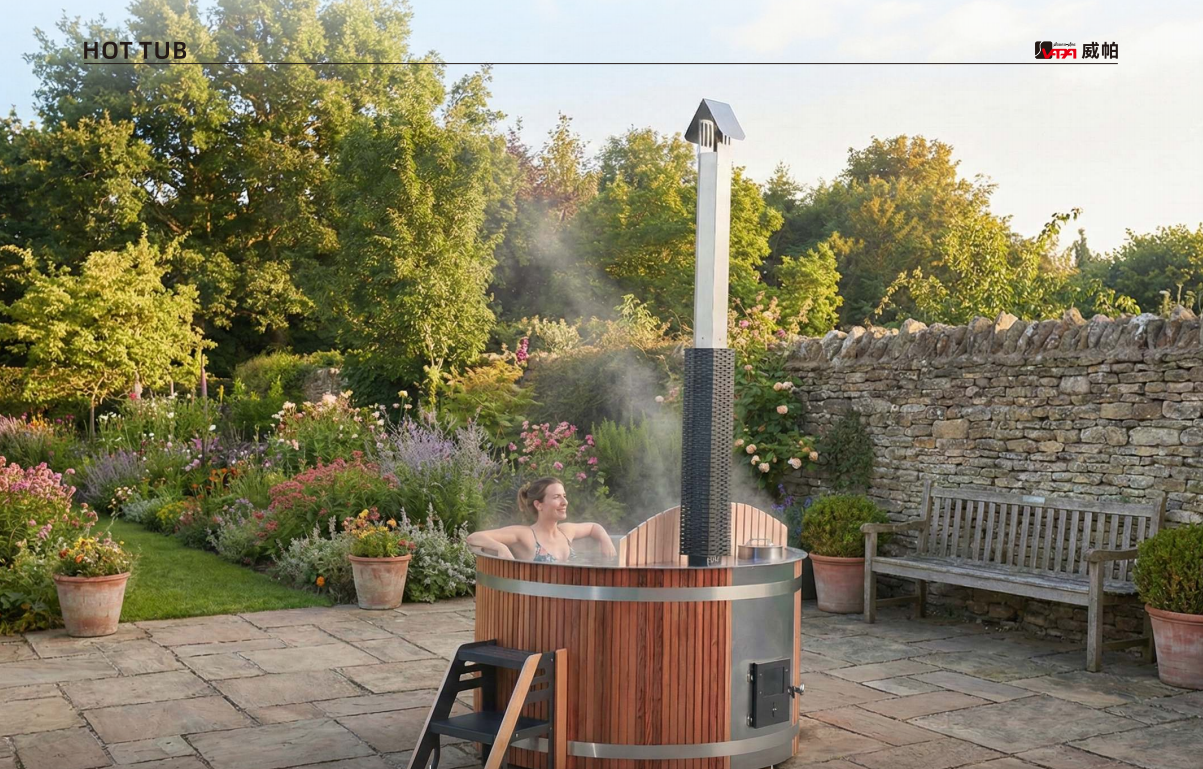
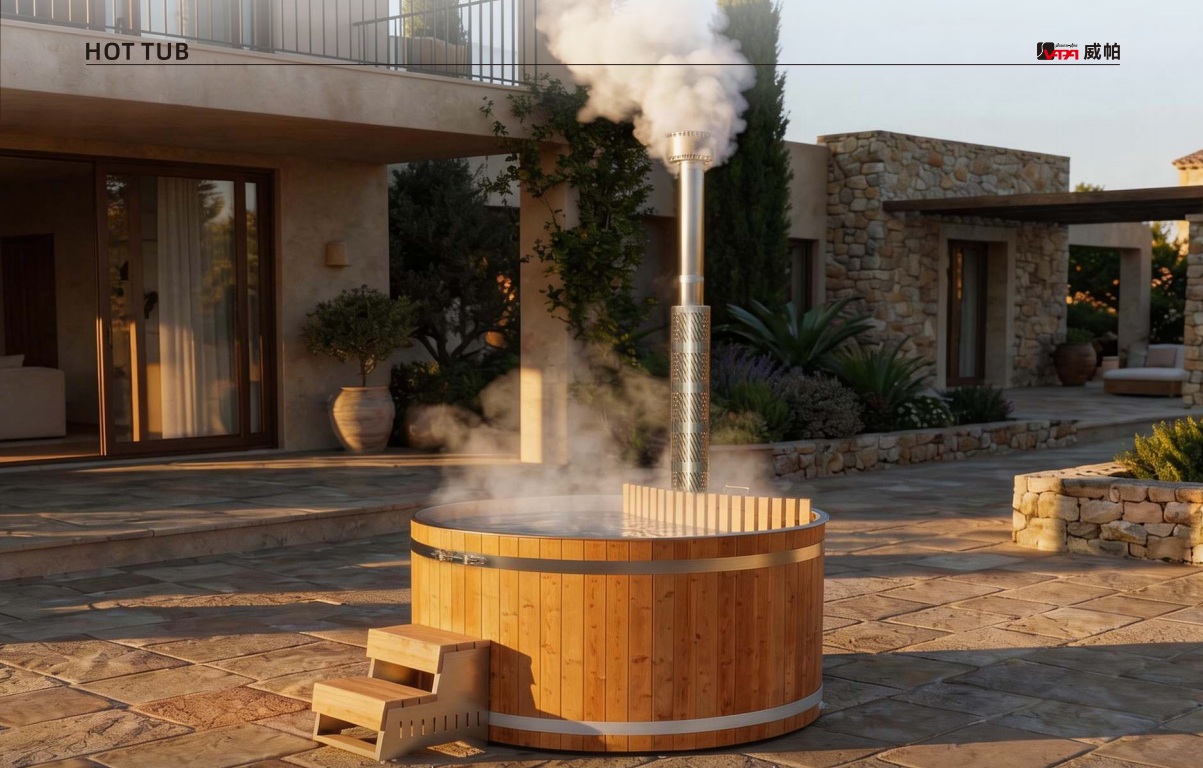
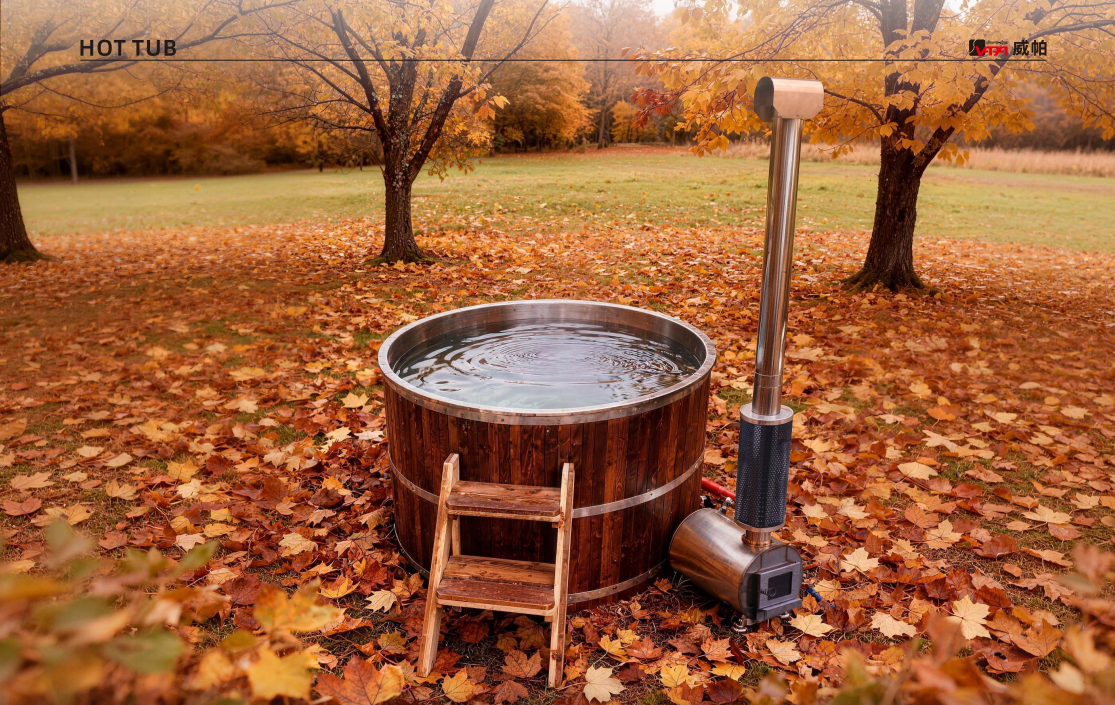
What Is a Hybrid Heated Hot Tub? How Dual Heating Works
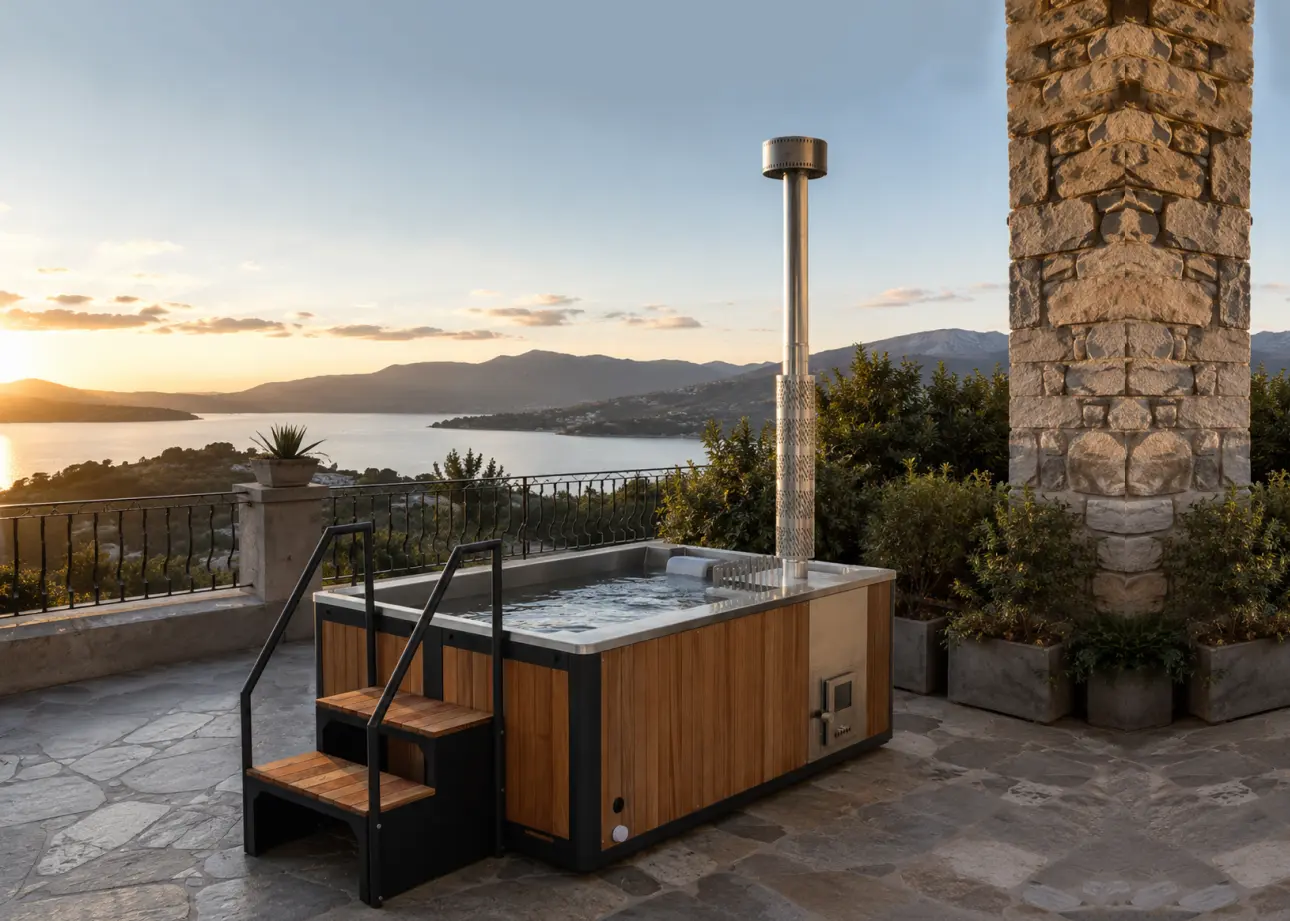
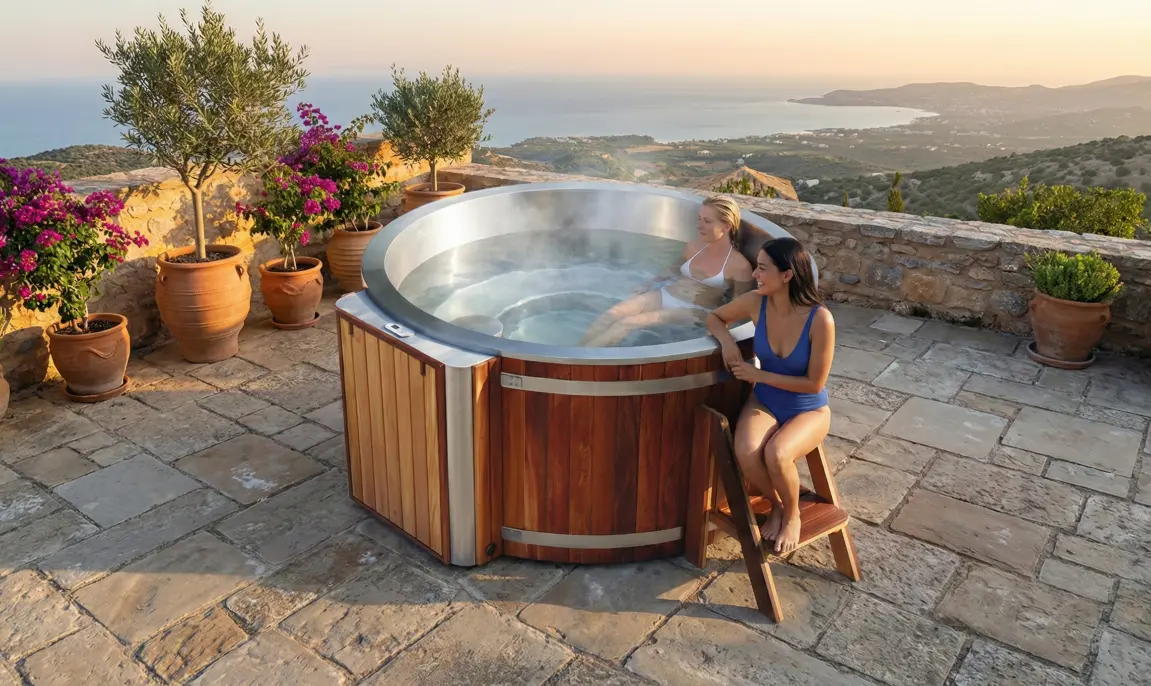
A hybrid heated Hot Tub combines two different heating methods in one system:wood-fired heating and electric heating with thermostat control.
Instead of relying on only one heating source, a hybrid system allows the two heating methods to operate independently or work together when additional heating power is needed. This creates a more flexible way to heat and maintain hot tub water.
But what exactly makes a hot tub “hybrid”? How do the two heating systems work together? And what happens after the water reaches the desired temperature?
This guide explains the basic operating principle of a hybrid heated hot tub and how its dual heating system works in everyday use.
What Is a Hybrid Heated Hot Tub?
A hybrid heated hot tub is a hot tub equipped with both a wood-fired heating system and an electric heating system.
The two systems have different roles.
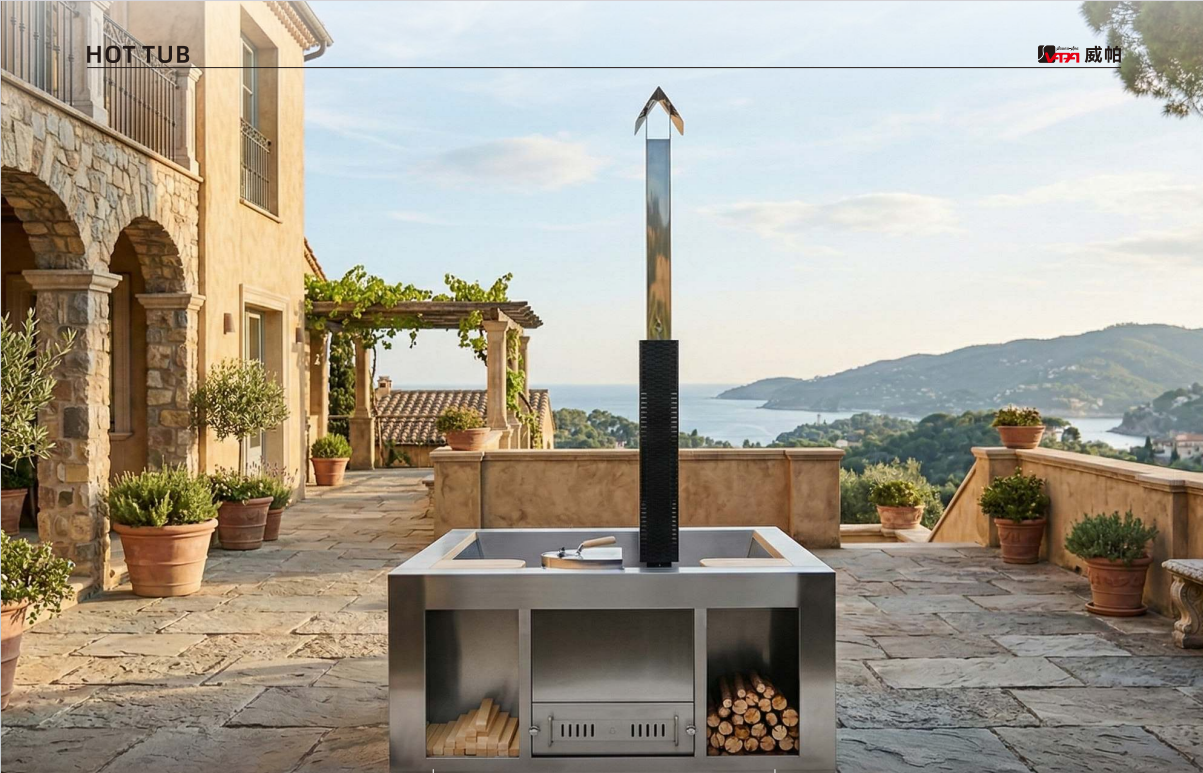
The wood-fired system provides a traditional heating method using a wood-burning stove, while the electric system uses controlled electrical heating to raise or maintain the water temperature.
Depending on the system configuration, users can:
- Use wood-fired heating independently
- Use electric heating independently
- Operate both systems at the same time
- Switch between heating methods according to operating needs
This is the basic concept behind a hybrid hot tub.
Rather than replacing wood-fired heating with electric heating, or replacing electric heating with wood-fired heating, the hybrid design brings both methods into the same hot tub system.
Vapasauna hybrid hot tubs are designed around this dual-heating concept, combining traditional wood-fired heating with electrically controlled temperature management.
How Does a Hybrid Heating System Work?
The easiest way to understand a hybrid hot tub is to look at the heating process step by step.
Step 1: Cold Water Enters the Tub
When the hot tub is filled with relatively cold water, the water needs to be heated before it reaches a comfortable soaking temperature.
The heating time depends on factors such as:
- Water volume
- Starting water temperature
- Outdoor temperature
- Heating configuration
- Insulation
- Operating conditions
There is therefore no single heating time that applies to every installation.
Step 2: Wood-Fired and Electric Heating Can Work Together
When faster heating is required, both heating systems can be switched on at the same time.
The wood-fired system supplies additional heating power through the stove, while the electric heating system contributes controlled electrical heating.
Using both systems simultaneously allows the hot tub to combine their heating capabilities rather than relying entirely on one source.
Under suitable operating conditions, some hybrid hot tub configurations can reach a comfortable soaking temperature in approximately 40 minutes, although actual heating time varies according to water volume, starting temperature, ambient conditions, and system configuration.
This is one of the defining characteristics of a dual-heating system: the two heating sources can complement each other during the initial heating stage.
What Happens After the Water Reaches the Target Temperature?
This is where the electric heating system and thermostat become particularly important.
Once the water reaches the selected temperature, the wood-fired heating system does not necessarily need to continue operating continuously.
Instead, the electric heating system can take over temperature maintenance.
The basic operating sequence can be understood as:
Cold Water
↓
Wood-Fired Heating + Electric Heating
↓
Target Temperature Reached
↓
Wood-Fired Heating Can Be Stopped
↓
Electric Heating + Thermostat Maintains Temperature
This allows the hot tub to move from the initial heating stage into a temperature-maintenance stage.
With thermostat control, the electric heating system can automatically respond when the water temperature changes, helping maintain the selected temperature rather than requiring the user to continuously manage the fire.
Can the Two Heating Systems Operate Independently?
Yes.
One of the key characteristics of a hybrid heated hot tub is that the two heating systems can operate independently.
For example, users may choose:
Wood-Fired Heating Only
This operating mode uses the wood-fired system as the primary heating source.
It can be suitable when users prefer the traditional wood-fired heating experience or when electric heating is not being used.
Electric Heating Only
The electric system can also be used independently when thermostat-controlled heating is preferred.
This allows the hot tub to operate without relying on continuous wood burning.
Wood-Fired + Electric Heating
When faster initial heating is required, both systems can operate together.
This combined mode is particularly useful during the initial heating stage when the water needs to increase from a lower starting temperature to the desired soaking temperature.
The ability to choose between these modes is what gives a hybrid heating system its flexibility.
Why Is Thermostat Control Important?
Heating the water is only one part of using a hot tub.
Once the desired temperature has been reached, maintaining that temperature becomes equally important.
Without temperature control, the water can gradually become cooler as heat is lost to the surrounding environment.
A thermostat-controlled electric heating system provides a way to automatically manage this stage.
When the water reaches the selected temperature, the electric heating system can maintain the target temperature according to the thermostat settings.
This can be particularly useful during longer soaking sessions or when multiple people use the hot tub one after another.
For Vapasauna hybrid hot tubs, the electric heating system is paired with a Spanet control system, with SAA certification specified for the electrical control system. This provides a controlled interface for managing the electric heating function and temperature settings.
The important point is that the electric system does not simply act as a second heater. In a hybrid configuration, it can also play a role in temperature maintenance.
Can a Hybrid Hot Tub Work Without Electricity?
A hybrid hot tub can be designed so that the wood-fired heating system can operate independently.
When electricity is unavailable or users simply prefer wood-fired heating, the wood-burning system can be used as the primary heating source.
This gives the system another operating option rather than making electric heating the only way to heat the water.
However, the exact operating method depends on the specific product configuration and installation.
For this reason, buyers should check how the wood-fired and electric systems are connected and controlled on the specific hybrid model they are considering.
What Makes a Hybrid Hot Tub Different From a Single-Heating Hot Tub?
The main difference is the number of heating methods available.
| Hot Tub Type | Heating Method | Temperature Control |
|---|---|---|
| Electric Hot Tub | Electric heating | Electric control |
| Wood-Fired Hot Tub | Wood-fired heating | Manual wood-fired control |
| Hybrid Heated Hot Tub | Wood-fired + electric heating | Electric thermostat + wood-fired control |
A single-heating hot tub depends primarily on one heating method.
A hybrid hot tub combines two.
This does not mean that every hybrid system will operate in exactly the same way. Heating power, control systems, water capacity, insulation, and installation configuration can all affect performance.
The defining feature is simply the combination of wood-fired heating and electric heating within the same hot tub system.
How Does a Hybrid System Manage Temperature During Soaking?
The heating process does not end when the water first reaches the target temperature.
During use, heat can be lost as the hot tub is exposed to outdoor air, the cover is removed, and users enter and leave the water.
This means that the water temperature may gradually change during a soaking session.
With thermostat-controlled electric heating, the system can automatically manage the electric heating function according to the selected temperature.
This creates two different stages of operation:
Heating Stage
The system raises the water temperature from its starting point.
Temperature Maintenance Stage
The system works to maintain the selected temperature during use.
This separation between heating and temperature maintenance is an important part of understanding how a hybrid hot tub operates.
What Are the Main Components of a Hybrid Heating System?
Although configurations vary between models, a hybrid heated hot tub generally includes several key components.
Wood-Fired Heating Assembly
The wood-fired stove provides the heat generated from burning wood.
Electric Heating System
The electric heater provides electrically controlled heating and can contribute to both initial heating and temperature maintenance.
Thermostat
The thermostat monitors the water temperature and controls the electric heating function according to the selected setting.
Electrical Control System
The control system provides the interface and electrical management required to operate the electric heating components.
For example, selected Vapasauna hybrid configurations use a Spanet electric control system with SAA certification.
Hot Tub Water System
The heating components work with the hot tub's water system to transfer heat into the water.
The exact construction and connection method varies according to the model.
When Would Both Heating Systems Be Used Together?
The most straightforward situation is when the water needs to heat up relatively quickly.
For example, after filling the hot tub with cold water, users may activate both heating systems to increase the heating capacity during the initial stage.
Once the desired temperature has been reached, the wood-fired heating system can be turned off and the electric system can continue maintaining the selected temperature.
The two systems therefore do not necessarily need to operate together throughout the entire soaking session.
Instead, they can perform different roles at different stages.
Initial Heating → Dual Heating
Target Temperature → Electric Temperature Maintenance
This staged approach is one of the clearest ways to understand the purpose of hybrid heating.
Why Combine Wood-Fired Heating With Electric Heating?
The hybrid concept is based on combining two different heating approaches.
Wood-fired heating provides a traditional heating method, while electric heating adds controlled temperature management.
Together, they allow users to choose how the hot tub operates according to the situation.
For example:
- Use both systems when faster initial heating is needed.
- Use wood-fired heating when a traditional heating method is preferred.
- Use electric heating when automatic temperature maintenance is desired.
- Change the operating mode according to the available power source and usage requirements.
Rather than depending entirely on one heating method, the hybrid system provides multiple ways to manage the heating process.
What Should Buyers Check in a Hybrid Heating System?
When evaluating a hybrid heated hot tub, it is useful to look beyond the word “hybrid.”
Consider how the actual heating system works:
1. Can the Two Heating Systems Operate Independently?
Check whether wood-fired and electric heating can be controlled separately.
2. Can They Work Together?
If faster heating is one of the reasons for choosing a hybrid system, confirm whether both heating sources can operate simultaneously.
3. Is There Automatic Temperature Control?
A thermostat-controlled electric system can simplify temperature maintenance after the initial heating stage.
4. How Is the Electrical System Controlled?
Check the control system, certification, and installation requirements for the specific model.
5. What Conditions Affect Heating Time?
Do not evaluate heating performance using a single number alone.
Water volume, starting temperature, outdoor temperature, insulation, and heating configuration can all affect the actual result.
These points help buyers understand the actual operating principle instead of choosing a product simply because it is described as “hybrid.”
Final Thoughts
A hybrid heated hot tub is essentially a hot tub that combines wood-fired heating and electric heating in one system.
The two heating methods can operate independently or together. During initial heating, both systems can work simultaneously when additional heating capacity is needed. Once the desired temperature is reached, the wood-fired system can be stopped while the electric system and thermostat maintain the selected water temperature.
This gives the hybrid system two distinct operating stages:
Fast and flexible heating → Controlled temperature maintenance
The exact performance depends on the product configuration and operating conditions, but the basic principle remains the same.
Vapasauna develops hybrid hot tub systems that combine traditional wood-fired heating with electrically controlled temperature management, providing a practical example of how two different heating technologies can work within one hot tub system.
Understanding this basic operating principle can help users and buyers distinguish a true hybrid heating system from a hot tub that simply offers multiple heating-related features.