




Hybrid Hot Tub Maintenance Checklist for Year-Round Use
A hybrid Hot Tub combines wood-fired heating with electric temperature control, giving owners more flexibility in how they heat and use their outdoor spa. To keep the system working reliably throughout the year, however, both heating systems and the supporting components need regular attention.
Whether installed in a private garden, a holiday rental, a hotel, or a commercial wellness space, a consistent maintenance routine can help identify problems early, support water quality management, and reduce avoidable interruptions.
This hybrid hot tub maintenance checklist covers the key components to inspect, the seasonal tasks to consider, and the maintenance practices that can help keep your hot tub ready for use throughout the year.
1. Check Both Heating Systems Regularly
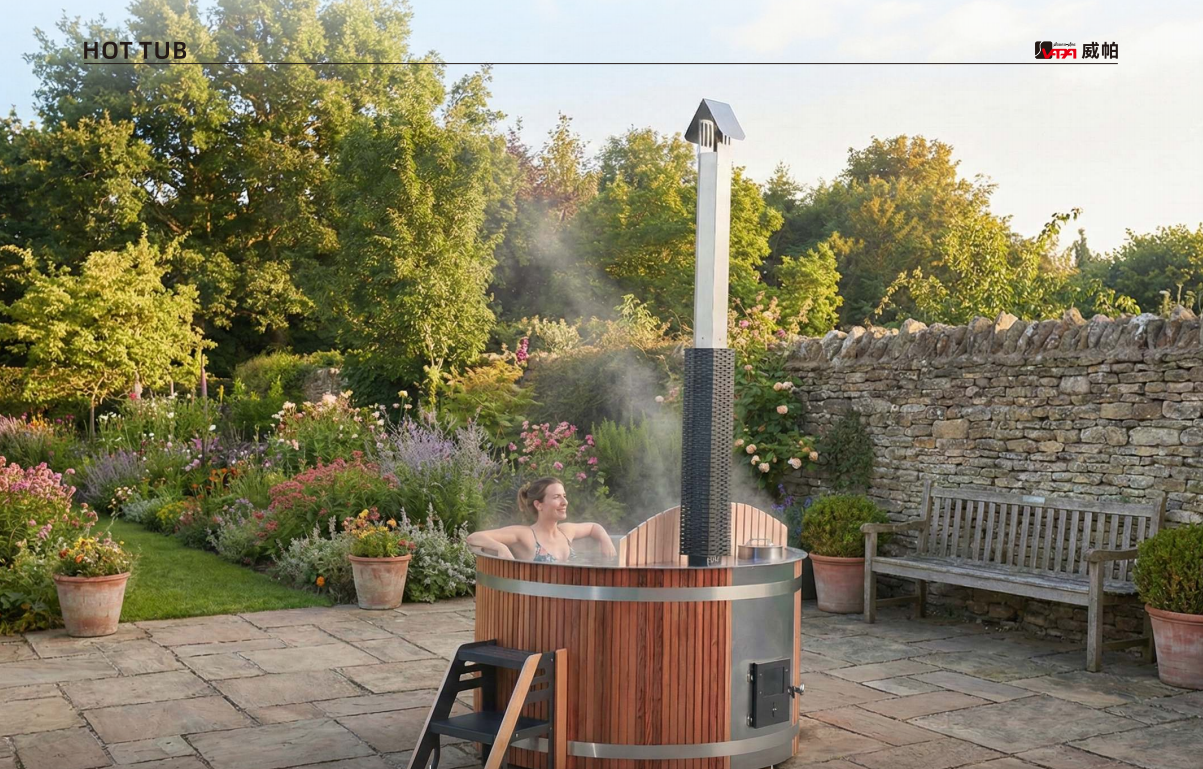
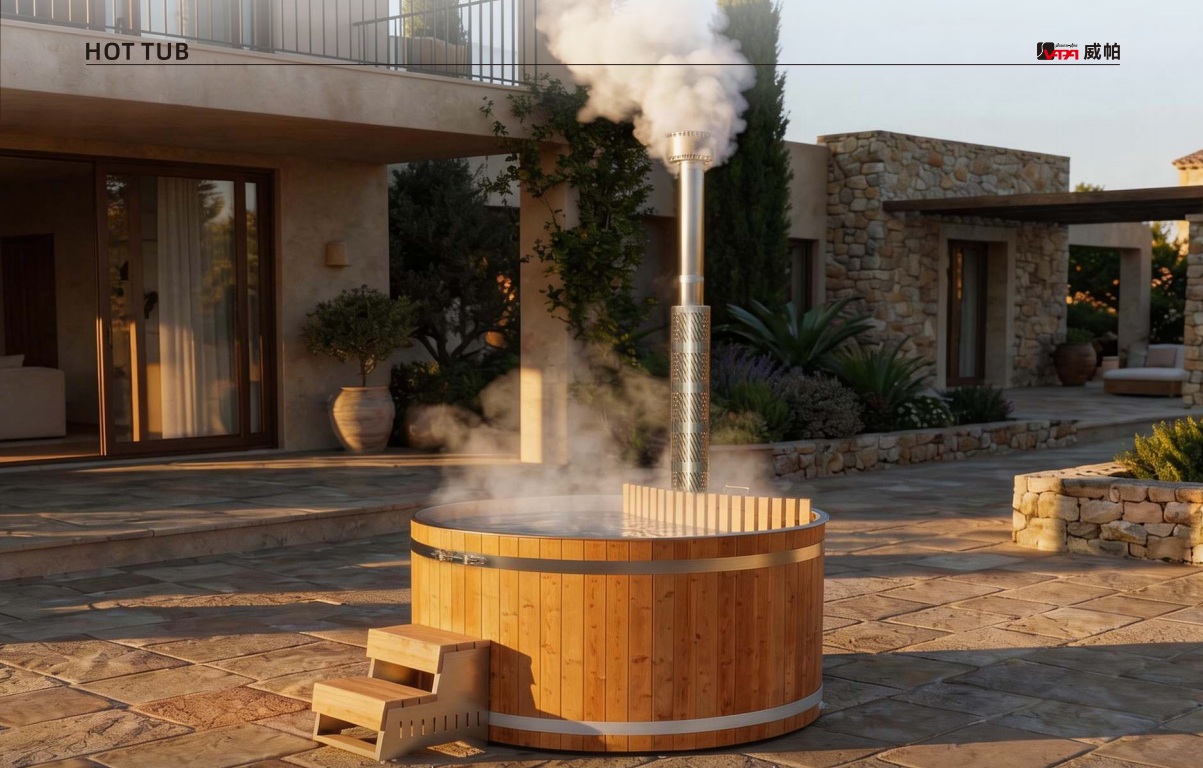
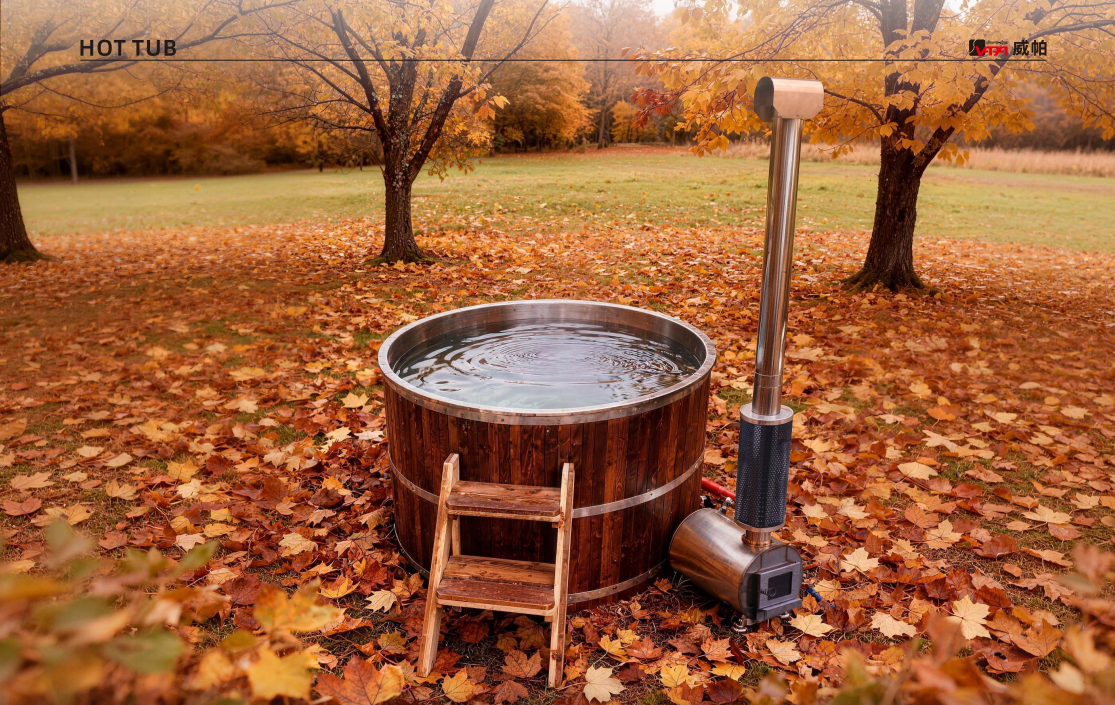
The defining feature of a hybrid hot tub is its combination of wood-fired heating and electric heating. Because the two systems have different operating requirements, each should be checked according to the manufacturer's instructions.
Wood-Fired Heating System
Before using the wood-fired heater, check the visible components for signs of damage, corrosion, loose connections, or water leakage.
Key maintenance points include:
-
Inspect the stove body and accessible connections for visible damage or leaks.
-
Check the chimney and flue for visible obstructions, damage, and signs of excessive soot buildup.
-
Keep the area around the stove clear of combustible materials.
-
Use suitable, dry firewood according to the manufacturer's recommendations.
-
Allow the heater and surrounding components to cool completely before carrying out permitted cleaning or maintenance.
A blocked or damaged flue can create serious fire and carbon monoxide hazards. Do not operate the wood-fired system if you suspect a flue problem. Arrange an appropriate inspection before using it again.
Electric Heating System
The electric heating system helps maintain the selected water temperature and can reduce the need to keep adding wood once the water has reached the desired setting.
As part of routine maintenance:
-
Check the control panel for warning messages or unusual readings.
-
Look for visible damage to accessible cables, connectors, and electrical enclosures.
-
Confirm that the system responds normally to temperature-setting adjustments.
-
Pay attention to unexpected temperature changes or repeated heating interruptions.
Electrical inspection and repairs should be carried out by qualified personnel. Never open electrical enclosures or work on energized components yourself.
For hybrid hot tubs equipped with a SpaNet smart control system, follow the instructions for the specific controller and installed equipment.
2. Inspect the Filter and Water Circulation System
Filtration and circulation are essential parts of routine water care. A dirty filter or restricted water flow can affect system performance and make water management more difficult.
Use the following checklist:
-
Inspect the filter at the interval recommended by the manufacturer.
-
Clean or replace the filter according to its type and condition.
-
Check accessible circulation lines and fittings for visible leaks.
-
Listen for unusual pump noises or notice changes in water flow.
-
Confirm that the circulation system operates as expected.
Do not rely on water appearance alone to judge water quality. Follow the recommended water testing, treatment, and sanitation procedures for the specific hot tub and its intended use.
For commercial facilities, recording filter inspections and replacements can help staff follow a consistent maintenance schedule and identify recurring issues.
3. Maintain Water Quality and Clean the Tub
Regular water care helps make a hot tub more pleasant to use and supports the performance of its circulation and filtration components.
Water care should include:
-
Testing water according to the recommended schedule and applicable requirements.
-
Maintaining appropriate water balance and sanitizer levels for the installed system.
-
Removing debris from the water and accessible surfaces.
-
Cleaning the tub and components using products approved for the materials and equipment.
-
Replacing water when required by the manufacturer's instructions or the results of water-quality management.
Avoid mixing cleaning chemicals or adding treatments that are not approved for the equipment. If the hot tub is used by guests or multiple users, establish a documented water-care procedure rather than relying on occasional visual checks.
4. Check Drainage, Pipework, and Connections
Drainage and pipework should be inspected as part of routine maintenance, especially after periods of heavy use or before colder weather arrives.
Check the following areas:
-
Drain valves for signs of leakage or damage.
-
Accessible pipework and joints for moisture or dripping.
-
Connections around the heating and circulation equipment.
-
Areas beneath and around the tub for unexplained water accumulation.
-
Drainage access to ensure the tub can be emptied when maintenance is required.
Follow the manufacturer's instructions for draining the tub. If the system contains pipework or equipment that can retain water, confirm the correct procedure before attempting to empty it completely.
Do not force stiff valves or dismantle pressurized components. Damaged fittings should be assessed and repaired before the hot tub returns to service.
5. Keep the Control Panel and Temperature Settings in Good Condition
The control panel is the main interface for monitoring and adjusting the electric heating system. Regular checks can help identify operating issues before they become more disruptive.
During routine inspections:
-
Check that the display is readable and responds normally.
-
Confirm that temperature adjustments produce the expected response.
-
Review any error codes using the relevant product manual.
-
Check accessible control-panel connections for visible damage.
-
Record recurring alarms, unusual temperature readings, or unexplained shutdowns.
Avoid using excessive water or unsuitable cleaning products on electronic controls. If a fault persists, consult the equipment supplier or a qualified technician instead of repeatedly resetting the system without identifying the cause.
6. Clean and Protect the Hot Tub's Exterior
Outdoor exposure can affect the appearance and condition of the Hot Tub Over time. The appropriate care routine depends on the exterior material, finish, and installation environment.
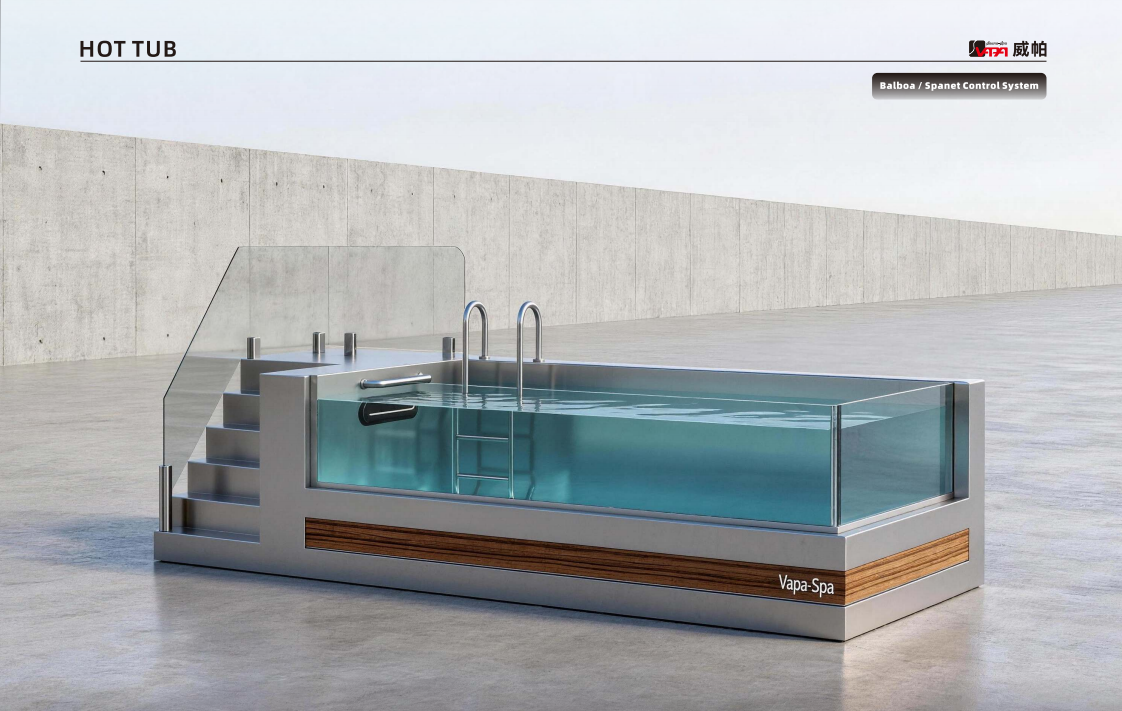
For a hybrid hot tub featuring 304 brushed stainless steel, practical maintenance includes:
-
Wiping the surface with a soft cloth and a suitable mild cleaner.
-
Rinsing away cleaning residue when required.
-
Drying the surface to reduce water marks.
-
Avoiding abrasive pads and cleaners that may damage the brushed finish.
-
Checking for unusual staining, surface damage, or corrosion around fittings.
Although 304 stainless steel offers useful corrosion resistance, it is not maintenance-free. Water chemistry, cleaning chemicals, salt exposure, and environmental conditions can all affect its long-term appearance.
If the hot tub includes other exterior materials, such as wood or composite panels, use the care instructions specified for those materials rather than applying stainless-steel cleaning methods to every surface.
7. Prepare Your Hybrid Hot Tub for Each Season
Year-round use requires more than repeating the same maintenance tasks. Changes in temperature, weather, and usage patterns can introduce different risks.
Spring: Inspect Before Increasing Use
After colder weather, carry out a general inspection before returning the hot tub to regular use.
-
Check the heating systems, circulation equipment, and visible pipework.
-
Inspect the exterior, fittings, and drainage points.
-
Clean the tub and filter as required.
-
Test the water and verify that the control system operates normally.
-
Check the surrounding area for drainage or access problems.
If the hot tub was winterized, follow the manufacturer's recommissioning procedure before switching the systems on.
Summer: Pay Attention to Frequent Use
Warmer weather and increased use may mean more frequent cleaning and water checks.
-
Inspect water quality more frequently when usage increases.
-
Remove leaves, insects, and other debris promptly.
-
Check the filter and circulation system for signs of restricted flow.
-
Keep the cover and surrounding area clean.
-
Follow the recommended temperature and operating settings.
Autumn: Get Ready for Colder Weather
Autumn is a useful time to prepare the equipment and surrounding area for lower temperatures.
-
Inspect the chimney and wood-fired heater before the heating season.
-
Check the electric heating system and controls.
-
Inspect accessible connections for leaks.
-
Confirm that drainage and any required cold-weather protection measures are in place.
-
Store firewood in a suitable dry location.
Do not assume that keeping the water warm will automatically protect all external pipes and equipment from freezing.
Winter: Choose the Correct Operating or Shutdown Procedure
Winter maintenance depends on the climate, installation, and whether the hot tub will remain in service.
For a hot tub that will continue operating:
-
Follow the manufacturer's cold-weather operating guidance.
-
Monitor water temperature and system performance.
-
Check exposed or vulnerable pipework for signs of freezing.
-
Keep the area around the heater and required ventilation paths clear.
-
Make sure the installation has the specified protection for local weather conditions.
For a hot tub that will be shut down for an extended period, follow the manufacturer's winterization procedure. Simply draining the tub may not remove all water trapped in pumps, heaters, and pipes.
If freezing conditions are expected and the correct protection procedure is uncertain, seek professional guidance before shutting down the equipment.
8. Create a Maintenance Log for Commercial Facilities
For hotels, resorts, holiday rentals, gyms, and wellness facilities, maintenance should be part of a documented operating routine rather than an occasional task.
A practical log can include:
-
Date and name of the person completing the inspection.
-
Water testing and treatment records.
-
Filter cleaning and replacement dates.
-
Heating-system and control-panel checks.
-
Drainage, leakage, and circulation observations.
-
Fault reports, repairs, and follow-up actions.
A maintenance log helps different staff members follow the same procedures and makes it easier to identify recurring problems. Facilities should also establish clear responsibilities for daily checks, scheduled maintenance, and professional servicing.
9. When Should You Arrange Professional Service?
Routine visual checks are useful, but some issues require professional assessment.
Arrange qualified service if you notice:
-
Repeated heating failures or unexplained temperature fluctuations.
-
Electrical warning messages, damaged wiring, or unusual electrical behavior.
-
Smoke leakage, suspected chimney blockage, or other wood-fired heater concerns.
-
Persistent water leaks or damaged pipe connections.
-
Unusual pump noise or recurring circulation problems.
-
Damage that cannot be resolved through the maintenance procedures in the product manual.
Do not continue operating equipment when a suspected fault could create a fire, electrical, or carbon monoxide hazard.
Conclusion: Consistent Care for Year-Round Hot Tub Use
Maintaining a hybrid hot tub throughout the year involves more than cleaning the tub itself. Both heating systems, filtration, water quality, drainage, controls, and exterior materials need appropriate attention.
By following a regular inspection schedule and adjusting maintenance to seasonal conditions, owners and operators can identify issues earlier and keep essential equipment in better working condition.
For residential users, this routine helps make outdoor spa ownership more manageable. For hotels, resorts, and commercial wellness facilities, a documented maintenance process can support more consistent operations and clearer staff responsibilities.
VAPASAUNA hybrid temperature-controlled hot tubs combine wood-fired heating with electric temperature control. Understanding the specific equipment configuration and following its maintenance instructions are important steps toward reliable, year-round use.