

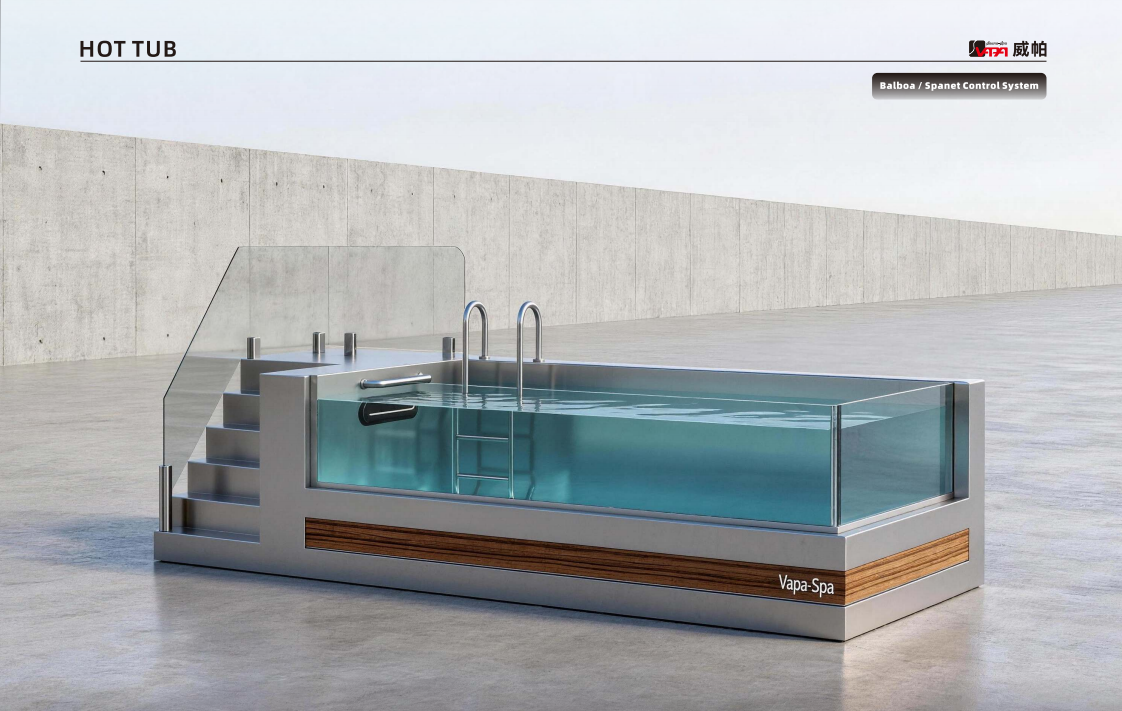
Outdoor Hot Tub Features and Benefits: Creating a More Enjoyable Outdoor Space
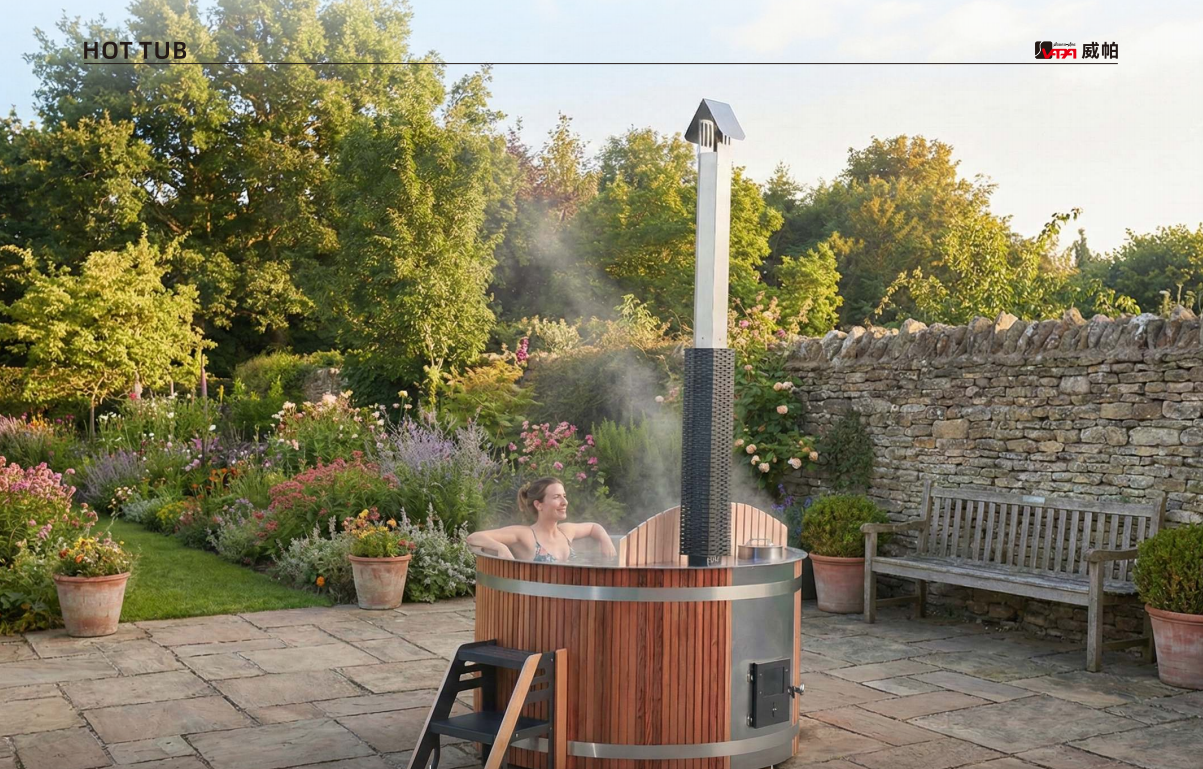
An outdoor hot tub is more than a bathing facility. It can become a central feature of a backyard, garden, patio, hotel terrace or outdoor wellness area. By combining comfortable soaking with an attractive design, a well-selected hot tub helps transform an ordinary outdoor space into a place for relaxation and social connection.
For homeowners, hospitality businesses, distributors and project developers, choosing the right outdoor hot tub involves more than appearance. Materials, seating capacity, heating configuration, insulation and installation conditions all influence the overall experience.
In this article, we explore the key features and advantages of Outdoor Hot Tubs and what buyers should consider when selecting a suitable product for their projects.
1. What Makes an Outdoor Hot Tub Different?
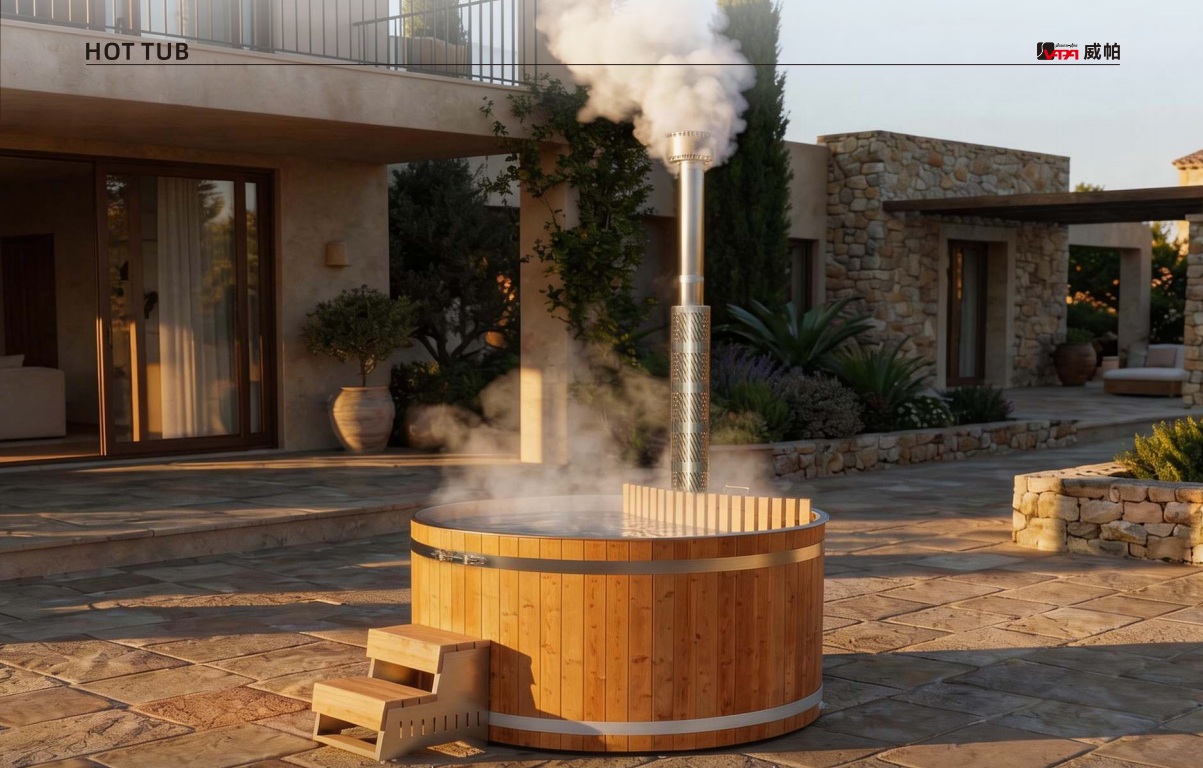
An outdoor hot tub is designed to provide a comfortable soaking experience in an open-air environment. Unlike an indoor bathtub, it needs to work as part of the surrounding outdoor space while accommodating exposure to changing weather conditions.
Several product features deserve attention.
Durable Materials for Outdoor Environments
Material selection plays an important role in the appearance, durability and maintenance of an outdoor hot tub.
Depending on the product design, common material considerations include:
-
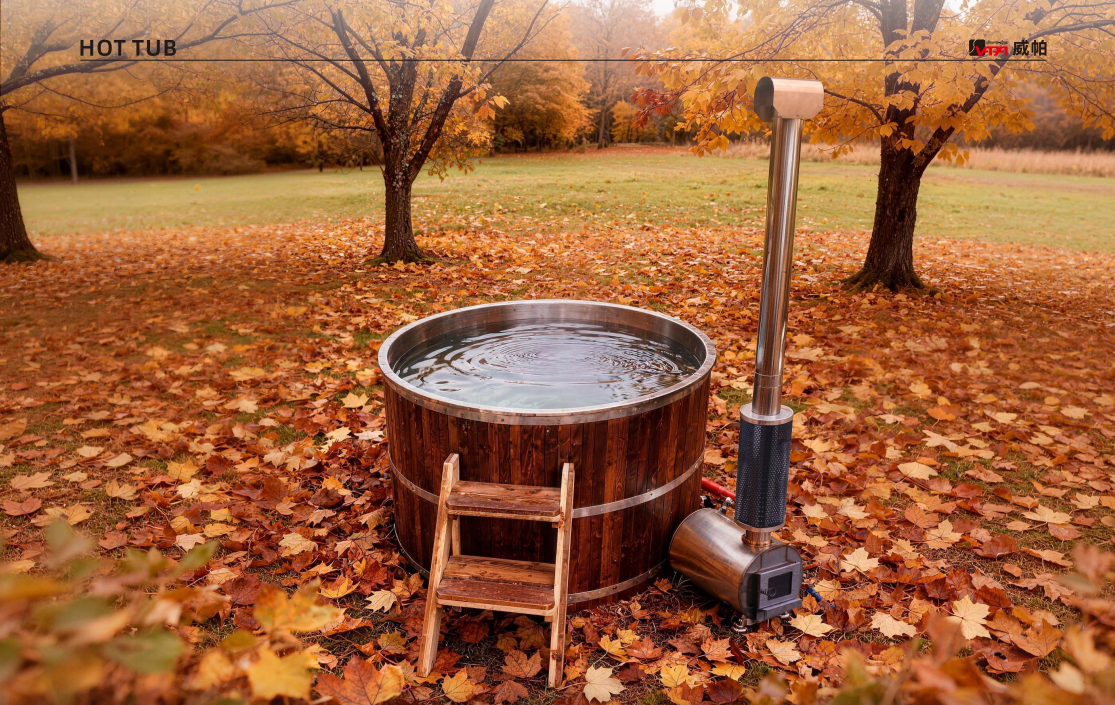
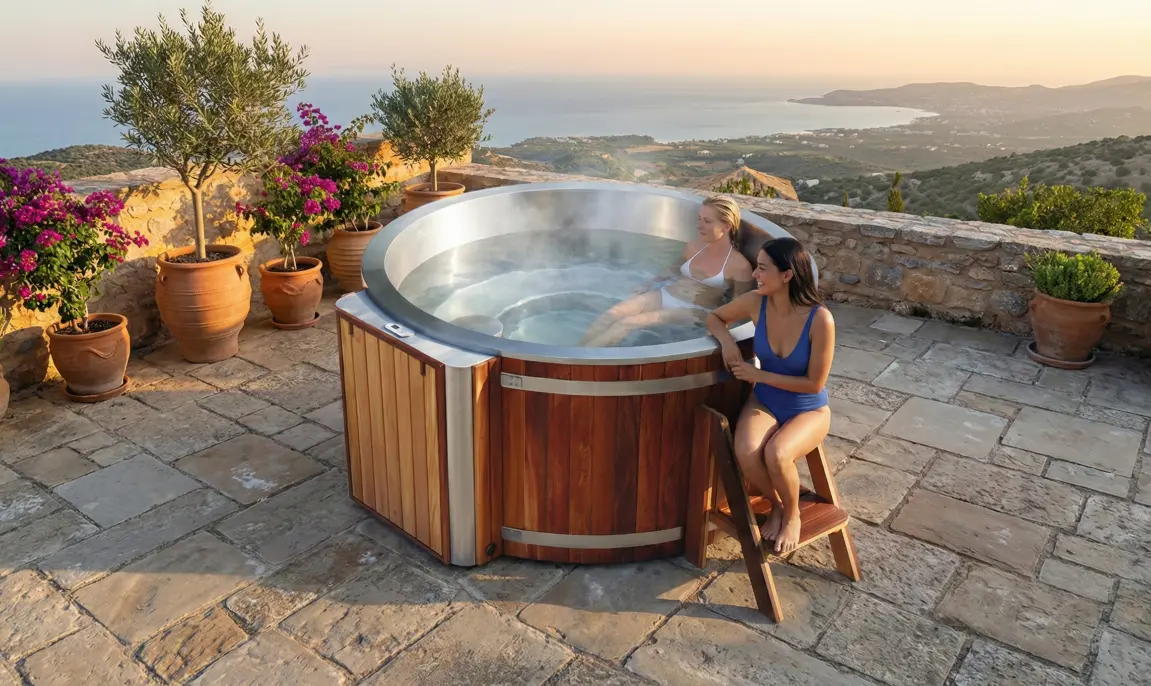
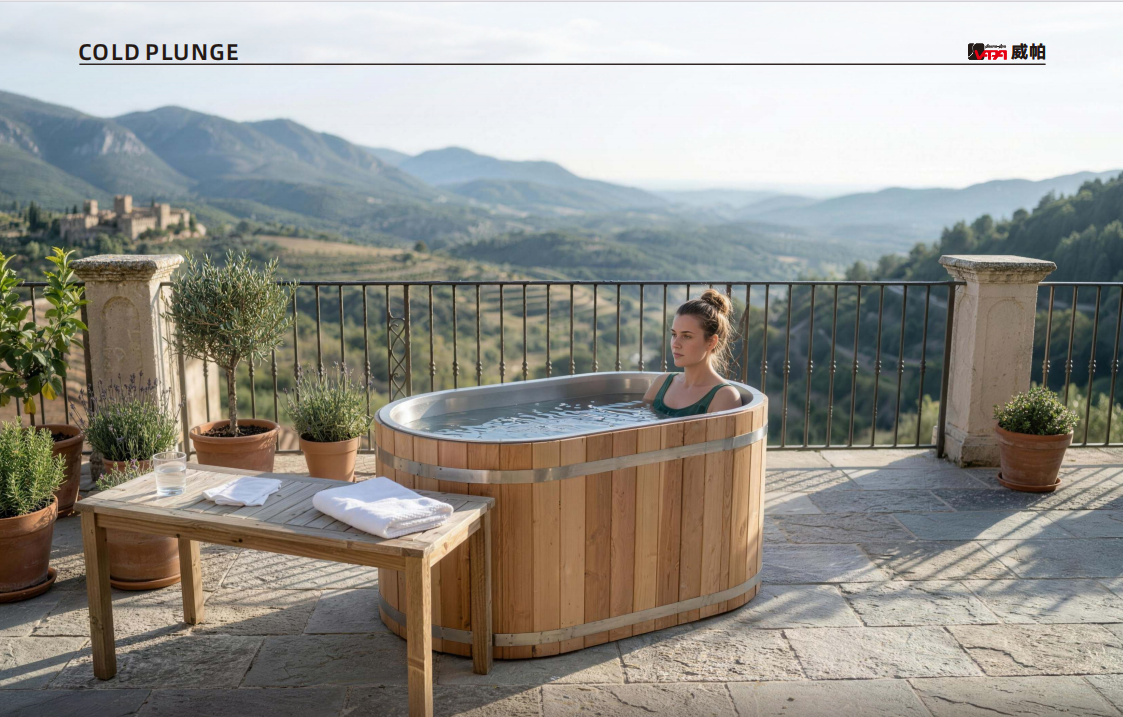
Wooden exterior: Creates a natural appearance that complements gardens, decks and outdoor leisure areas.
-
Stainless steel interior: Offers a smooth bathing surface and a modern appearance.
-
Insulation materials: Help reduce heat loss and support temperature retention.
-
Protective covers: Help protect the water surface from outdoor debris when the tub is not in use.
Buyers should evaluate the materials used in both the interior and exterior, as well as the maintenance requirements of each component.
Different Heating Configurations
Heating is one of the most important factors when selecting a hot tub. Different products may use different heating arrangements, depending on their design and intended application.
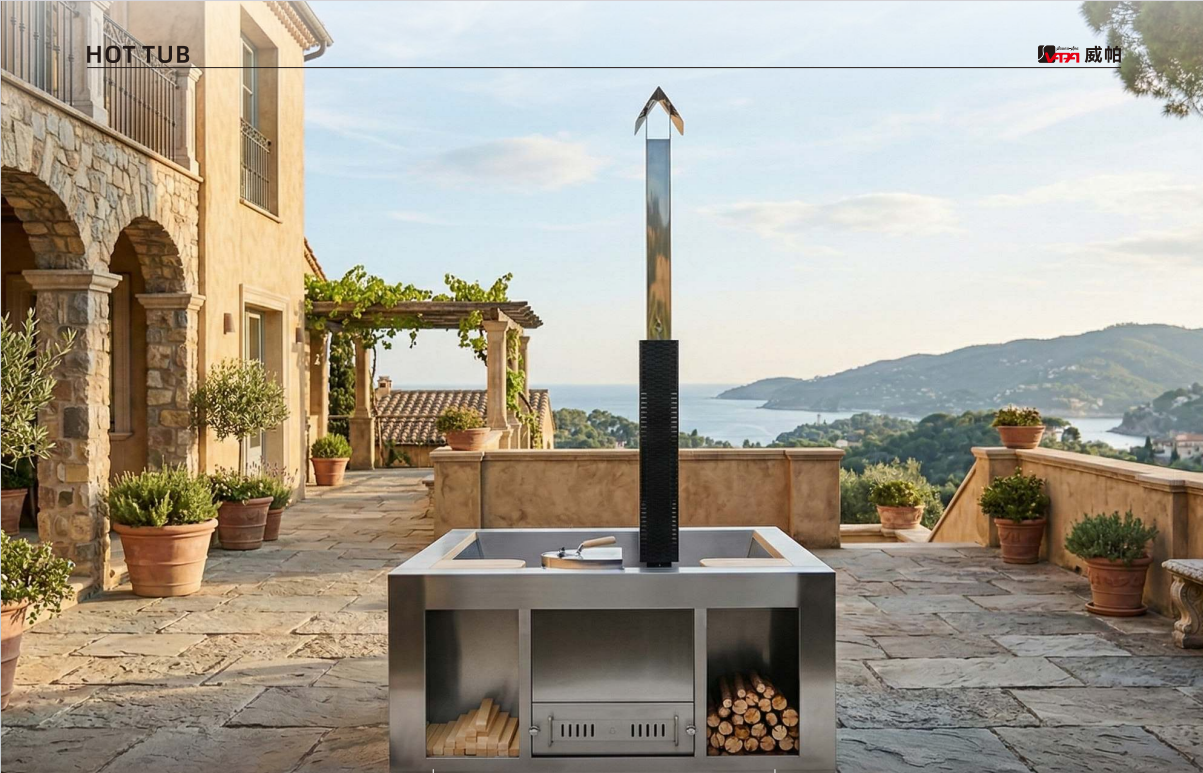
Common options include wood-fired, electric and hybrid heating systems. Each has its own operating characteristics, installation requirements and user preferences.
The right configuration depends on factors such as local energy availability, project location, expected usage frequency and the buyer's preferred operating method.
Comfortable Seating and Practical Capacity
The internal layout determines how people use the hot tub. Buyers should consider the number of users, available seating space, tub depth and ease of entry and exit.
A compact outdoor hot tub may suit a private terrace, while a larger model may be more appropriate for family use, holiday accommodation or hospitality projects.
2. Key Benefits of an Outdoor Hot Tub
Make Better Use of Outdoor Spaces
A hot tub can turn an underused backyard, patio or garden corner into a functional relaxation area. It can also complement existing outdoor facilities such as saunas, showers, decks and lounge areas.
For hotels, resorts and holiday rentals, an outdoor hot tub can become an additional feature that helps create a more distinctive guest experience.
Create a Comfortable Social Environment
An outdoor hot tub provides a shared space where family members, friends or guests can spend time together.
Its seating arrangement and overall capacity can be selected according to the intended users, making it suitable for private residential settings as well as hospitality environments.
Support Different Wellness Settings
Outdoor hot tubs can be incorporated into a variety of wellness spaces, including:
-
Private gardens and backyard spas
-
Hotels and resorts
-
Holiday homes and vacation rentals
-
Outdoor Sauna and spa areas
-
Wellness retreats and leisure facilities
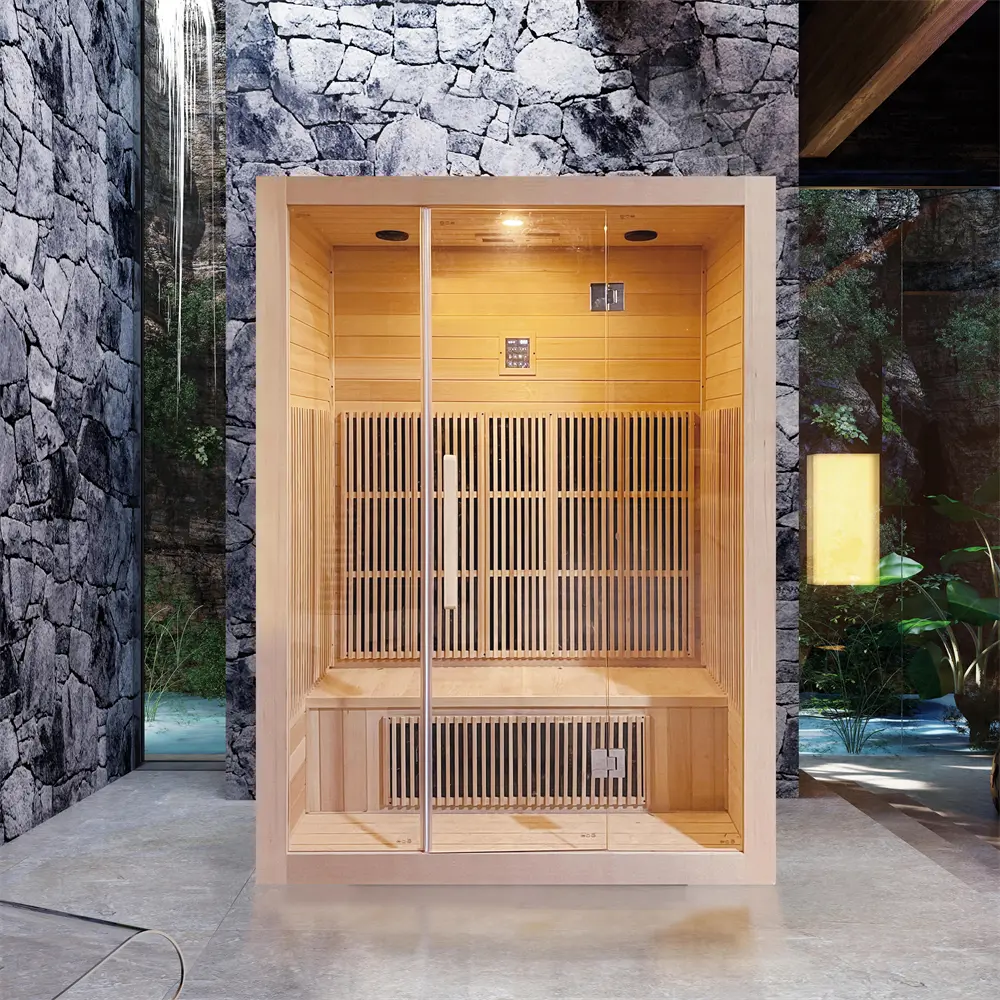
They can also be paired with outdoor saunas or showers to create a more complete outdoor wellness experience.
Offer Flexible Product and Design Choices
Different projects have different requirements. Some buyers prioritize a natural wooden appearance, while others prefer a modern stainless steel finish or a particular heating configuration.
A suitable product range gives distributors and project developers more flexibility when matching product specifications with their target customers and installation environments.
3. What Should Buyers Consider Before Choosing a Hot Tub?
Before purchasing an outdoor hot tub, buyers should evaluate several practical factors.
Available installation space: Measure the installation area and consider access routes, ground conditions and the space needed for maintenance.
Material and finish: Select materials that suit the intended outdoor environment and the expected maintenance routine.
Heating configuration: Compare heating options based on energy availability, operating preferences and project requirements.
Water management: Understand the water filling, drainage, circulation and cleaning arrangements of the selected model.
Capacity and layout: Choose a suitable size and seating arrangement based on the number of intended users.
Maintenance access: Make sure key components can be reached for inspection and servicing.
For commercial projects, it is also important to consider expected usage frequency, staff operating procedures and the availability of local maintenance support.
4. Choosing an Outdoor Hot Tub Manufacturer for Your Project
A reliable manufacturing partner can help buyers turn product requirements into a suitable hot tub solution.
When comparing suppliers, distributors and project buyers should look beyond product photographs and price lists. It is useful to understand the manufacturer's production capabilities, product development experience, customization services and communication process.
For buyers searching for a Gas-fired hot tubs factory or a Gas-fired hot tubs manufacturer, it is especially important to confirm the actual heating configuration, fuel compatibility, safety requirements and installation conditions of the specific product.
Other important points to discuss with a manufacturer include:
-
Available hot tub models and material options
-
Heating configurations and technical specifications
-
OEM and ODM customization possibilities
-
Product inspection and quality management
-
Packaging and export arrangements
-
Project communication and after-sales support
Providing clear information about the intended market, application, product size and heating preferences can help the manufacturer assess the project more accurately.
5. VAPASAUNA: A Manufacturing Partner for Sauna And Hot Tub Solutions
Established in August 2019, VAPASAUNA is a sauna and spa solutions provider based in Huizhou, China. The company is built upon Founder Mr. Wu's 26+ years of industry expertise.
VAPASAUNA operates a modern manufacturing workshop covering more than 10,000 square meters and is supported by over 20 experienced technicians with expertise in research and innovation, together with an international trade team.
As an ISO-certified manufacturer, VAPASAUNA provides integrated ODM/OEM services, patented product development and turnkey solutions for customers in worldwide markets.
From outdoor hot tubs and hybrid hot tubs to sauna rooms and related wellness equipment, VAPASAUNA works with international distributors, brands and project buyers to explore product configurations and manufacturing solutions.
If you are sourcing an outdoor hot tub, developing a new hot tub product line or evaluating a Gas-fired hot tubs factory for your sourcing project, VAPASAUNA welcomes you to discuss your requirements with our team.
Contact VAPASAUNA to explore hot tub manufacturing and customization opportunities for your market.