

Ice Bath vs. Cold Plunge: Understanding Two Approaches to Cold-Water Immersion
Ice baths and Cold Plunges are often discussed as if they were two completely different wellness practices. In reality, both involve immersing the body in cold water. The main difference lies in how the water is prepared, cooled, and managed.
A traditional ice bath usually relies on adding ice to a container filled with water. A Modern Cold Plunge, on the other hand, may use a dedicated cooling system to regulate water temperature and support repeated use.
As cold-water immersion becomes part of more home wellness spaces, gyms, and professional recovery environments, understanding these two approaches can help users choose a setup that matches their needs.
1. What Is a Traditional Ice Bath?
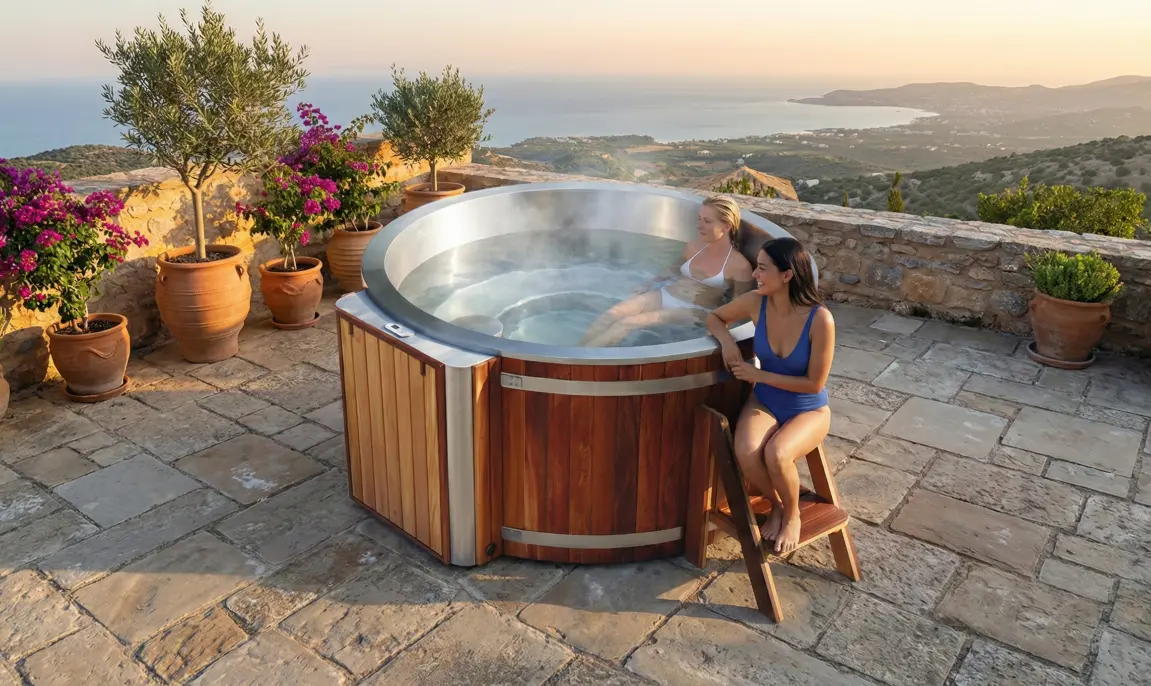
A traditional ice bath is a straightforward way to experience cold-water immersion. Users fill a suitable container with water and add ice until the water reaches the desired temperature.
This approach requires relatively little specialized equipment. Depending on the setup, a bathtub, stock tank, or purpose-built tub may be sufficient.
Its simplicity is one of its defining characteristics. Users can prepare an ice bath when needed without installing a dedicated cooling system.
However, the resulting water temperature depends on several variables, including the starting water temperature, the amount of ice added, the water volume, and the surrounding environment. Each session may therefore require some preparation and adjustment.
For occasional cold-water immersion, this traditional approach can remain a practical option.
2. What Is a Modern Cold Plunge?
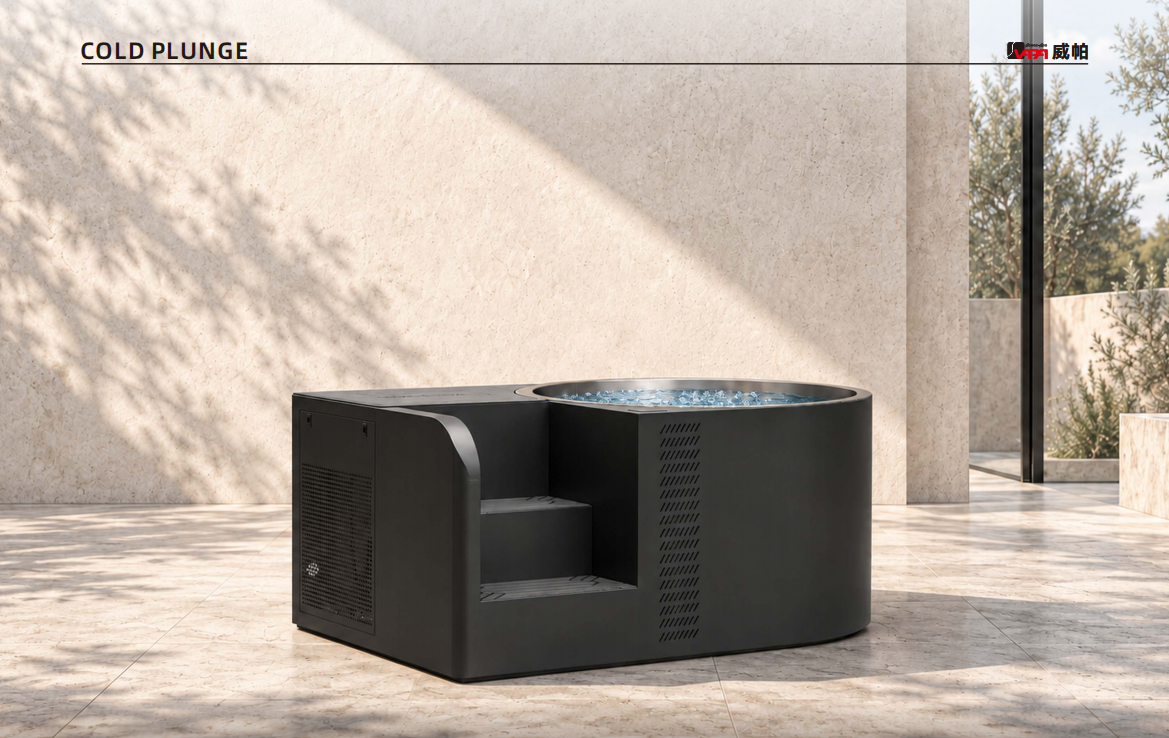
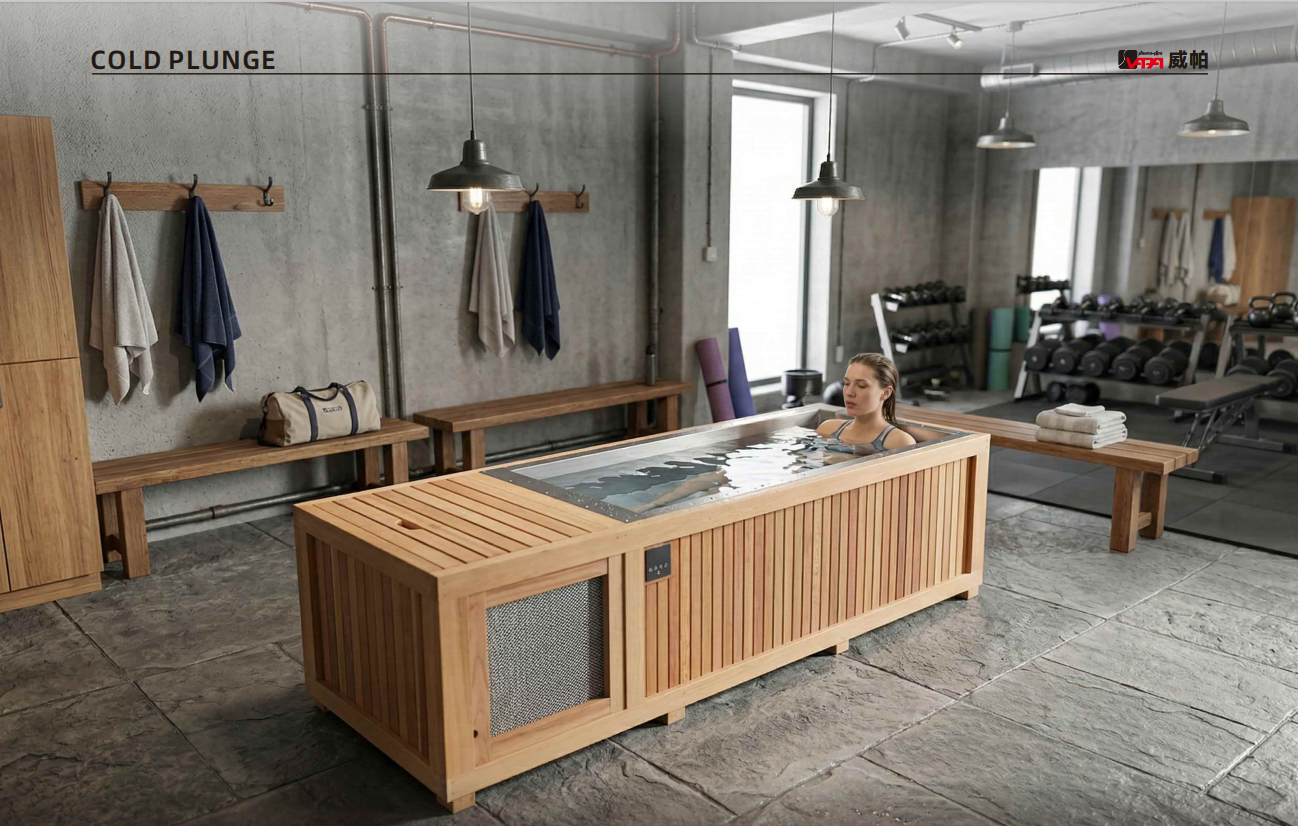
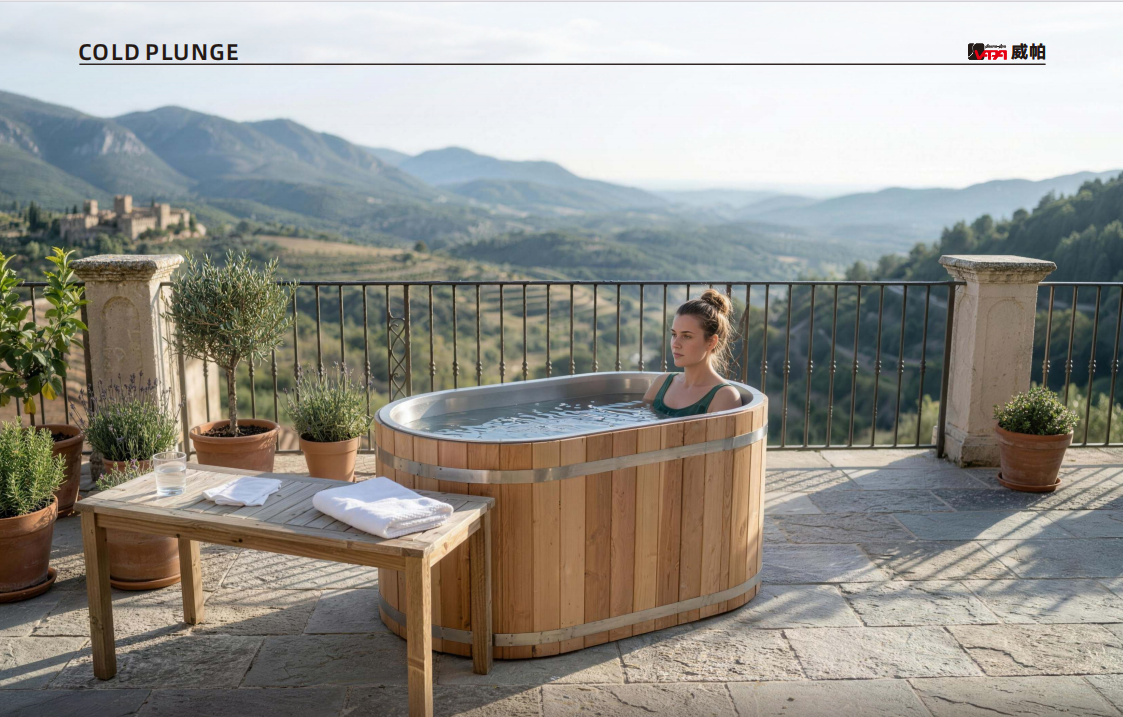
The term cold plunge describes the practice of immersing the body in cold water, but it is also commonly used to describe purpose-built tubs designed for repeated cold-water sessions.
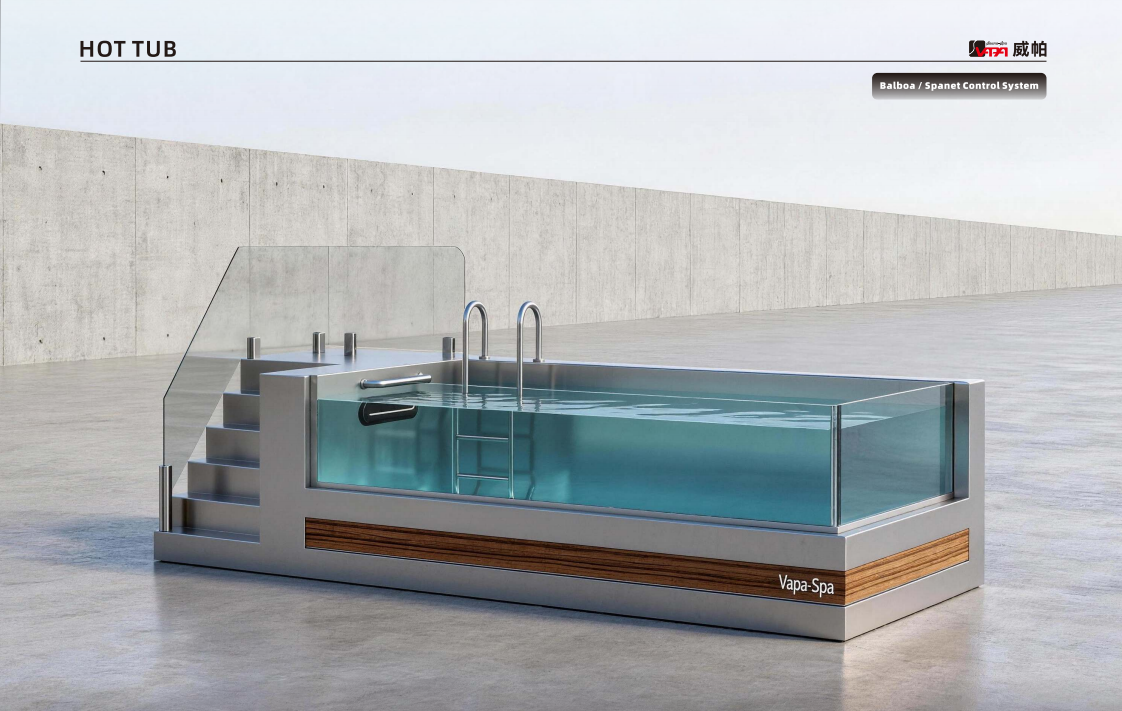
These systems vary in design. Some are simple tubs that users fill with cold water or ice, while others incorporate a dedicated water chiller, circulation equipment, and temperature controls.
In a temperature-controlled system, the chiller cools the water, while the control system helps regulate it around a selected setting. Depending on the configuration, circulation and filtration equipment may also be included.
The key distinction is therefore not simply the shape or material of the tub. It is the method used to create and manage the cold-water environment.
3. The Main Difference: How the Water Gets Cold
The clearest way to compare a traditional ice bath with a temperature-controlled cold plunge is to look at the cooling method.
Ice-Based Cooling
With an ice bath, users manually add ice to lower the water temperature. The amount of ice needed depends on the water volume, starting temperature, ice quantity, and surrounding conditions.
As the ice melts and the session progresses, the water temperature may change. Users who want a particular temperature need to check and adjust the water themselves.
Chiller-Based Cooling
A cold plunge equipped with a water chiller uses a mechanical cooling system instead of relying entirely on fresh ice for each session.
The chiller removes heat from the water, and a temperature controller can help maintain the selected setting within the system's operating range. Actual performance depends on the chiller capacity, insulation, water volume, ambient temperature, and other installation conditions.
Some systems also include water circulation and filtration. These components serve different purposes: cooling manages water temperature, circulation moves the water through the system, and filtration helps remove suspended particles.
Understanding these functions makes it easier to distinguish a basic cold-water tub from a more integrated Cold Plunge System.
4. Are Ice Baths and Cold Plunges Used for the Same Purposes?
In many cases, yes. Both can be used for cold-water immersion as part of a personal wellness or sports recovery routine.
The method of cooling does not, by itself, determine the outcome of a session. Water temperature, immersion duration, individual tolerance, and the reason for using cold-water immersion all matter.
A traditional ice bath may suit someone who wants an occasional session and is comfortable preparing the water manually.
A temperature-controlled cold plunge may be more suitable for people who plan to use cold water regularly and prefer a dedicated setup with repeatable temperature settings.
For gyms, recovery studios, hotels, and wellness facilities, the decision may also depend on how the equipment will be operated, how frequently it will be used, and what installation arrangements are available.
Neither approach is automatically right for every user or project.
5. What About Cold Plunge Tubs Without Chillers?
Not every product marketed as a cold plunge includes a mechanical cooling system.
Some tubs are designed to be filled with cold tap water, supplemented with ice, or connected to an external chiller. Others integrate the cooling equipment into the unit itself.
This is why product descriptions should be read carefully. The name cold plunge alone does not confirm that a tub can actively cool water or maintain a selected temperature.
Before choosing a system, identify how it produces cold water and which components are included. This distinction is particularly important when comparing a simple immersion tub with a complete temperature-controlled system.
For manufacturers such as Vapasauna, cold plunge configurations can vary by model, so the tub structure, cooling arrangement, and included water-management components should be evaluated according to the intended application.
6. How to Choose an Approach That Fits Your Routine
Rather than assuming one method has replaced the other, consider how cold-water immersion will fit into your routine.
A traditional ice bath may be suitable when sessions are occasional, manual preparation is acceptable, and a simple setup is preferred.
A temperature-controlled cold plunge may make more sense when users want repeatable temperature settings, frequent access, or a dedicated installation in a home wellness area or professional facility.
For a commercial project, it is also worth considering the expected number of users, operating schedule, installation space, and maintenance arrangements.
These practical differences are more useful than judging the two approaches solely by appearance or by whether one is described as more modern.
7. The Future of Cold-Water Immersion
Traditional ice baths remain a straightforward way to experience cold-water immersion. Temperature-controlled cold plunge systems offer another approach by integrating cooling technology into a dedicated setup.
The two are not mutually exclusive concepts. An ice bath describes a familiar method of preparing cold water, while cold plunge can refer both to the activity itself and to purpose-built equipment designed for that activity.
As home wellness areas and professional recovery facilities continue to develop, users have more choices in how they create a cold-water environment.
The most appropriate solution depends on the intended use, preferred level of control, installation conditions, and frequency of use. Understanding these differences provides a clearer starting point for choosing a cold-water immersion setup that suits the user and the space.