

Hybrid Hot Tub vs Traditional Hot Tub: How Heating Systems Affect Daily Use
A hot tub may look simple from the outside, but its heating system can have a major impact on how it is used every day. How long the water takes to heat, how easily the desired temperature can be maintained, and how flexible the system is during different stages of use can all affect the overall experience.
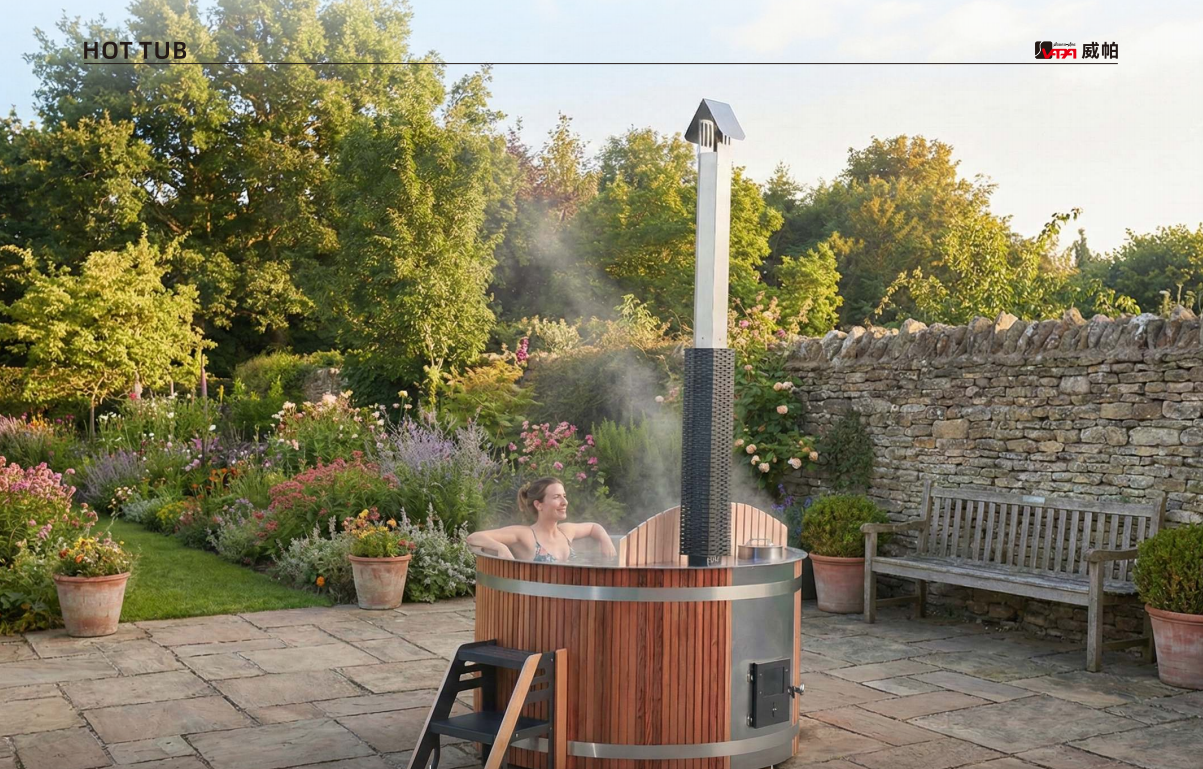
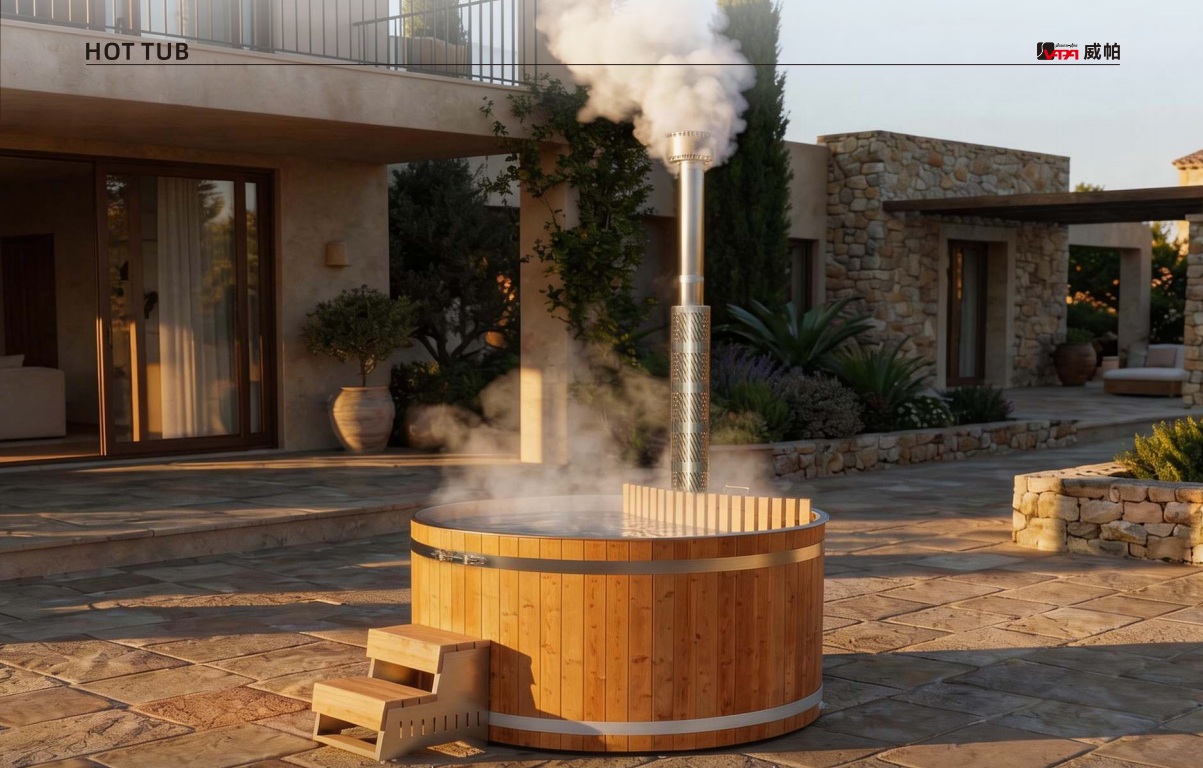
Traditional hot tubs typically rely on one primary heating method, such as electric heating or wood-fired heating. A hybrid hot tub combines two heating sources, giving users more flexibility during different stages of operation.
Rather than asking which system is universally better, it is more useful to understand how each heating approach fits different daily routines.
1. How Does a Traditional Hot Tub Work?
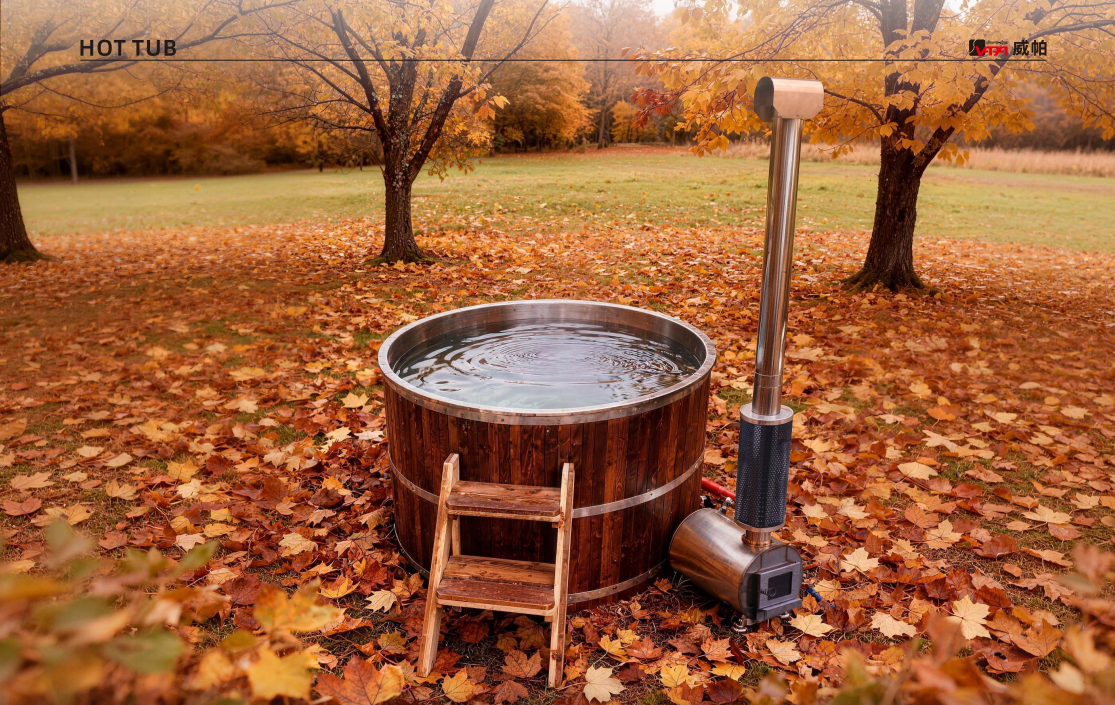
Traditional hot tubs generally use one primary heating source to raise the water temperature.
Depending on the model, this may be an electric heater or a wood-fired stove. Once the water reaches the desired temperature, the system continues according to its specific heating and temperature-maintenance method.
This approach can work well for users with predictable routines. For example, if a family usually prepares the hot tub before an evening soak and does not need to change the heating method during use, a single heating system can be straightforward to operate.
The main characteristic is simplicity: one primary heating method determines how the water is heated and maintained.
2. What Changes with a Hybrid Hot Tub?
A hybrid hot tub introduces another heating option into the same system.
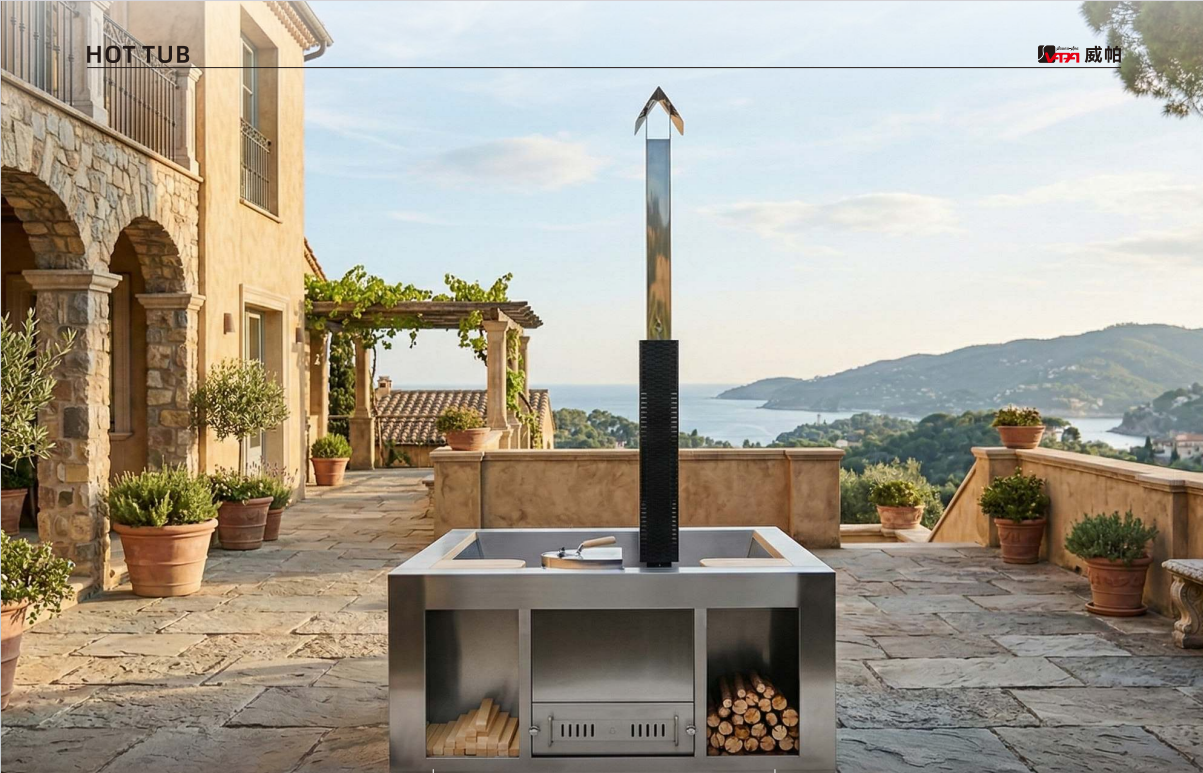
For example, wood-fired heating can provide a direct heat source during the initial heating stage, while electric heating can be used when more precise temperature control is needed.
This means the heating system does not have to operate in exactly the same way throughout the entire hot tub session.
For users, the main difference is therefore not simply the number of heaters. It is the ability to adapt the heating method to different stages of use.
Vapasauna develops hybrid hot tub solutions around this type of practical flexibility, combining wood-fired heating with electric temperature control for different usage scenarios.
3. Before Your Soak: Preparing the Water
The first stage of using a hot tub is getting the water ready.
With a traditional single-heating system, users generally follow one established heating process. Preparation time can vary depending on water volume, starting temperature, ambient conditions, insulation, and the heating system itself.
A hybrid system provides another option during this stage. When faster initial heating is required and conditions are suitable, wood-fired heating can be used as part of the heating process. Electric heating can then provide another way to manage the target temperature.
This flexibility can be particularly useful when users do not always follow the same schedule.
4. During the Soak: Maintaining the Desired Temperature
Heating the water before use is only part of the experience. Maintaining a comfortable temperature during use is also important.
A traditional system follows its own temperature-maintenance method, depending on the heating technology used.
With a hybrid hot tub, users can combine different heating sources according to the system configuration and operating conditions. Electric temperature control can be useful when the goal is to maintain a more consistent target temperature without relying entirely on the wood-fired heating process.
This makes the heating system more adaptable to different stages of a session.
5. What About Multiple Uses in One Day?
A hot tub may sometimes be used more than once in a day.
For example, a private household might use it in the afternoon and again in the evening. A hospitality property may also have periods when different guests use the facility throughout the day.
In these situations, the heating routine becomes more important.
A single heating method can still work, but users may need to plan the heating process around their schedule.
A hybrid system provides another option because different heating sources can be used at different stages. This does not mean that every hybrid system will always heat faster or consume less energy. Actual performance depends on water volume, starting temperature, weather, insulation, heating capacity, and operating conditions.
6. Weekend Use and Regular Use Are Different
Not every hot tub is used in the same way.
Some users may only use their hot tub on weekends, while others may use it several times a week or as part of a regular evening routine.
For occasional users, the preparation process may be the most important consideration. For frequent users, maintaining a predictable temperature and having flexible heating options may become more relevant.
This is one reason heating systems should be considered in relation to actual usage patterns rather than evaluated only by their specifications.
7. Outdoor Conditions Can Change the Experience
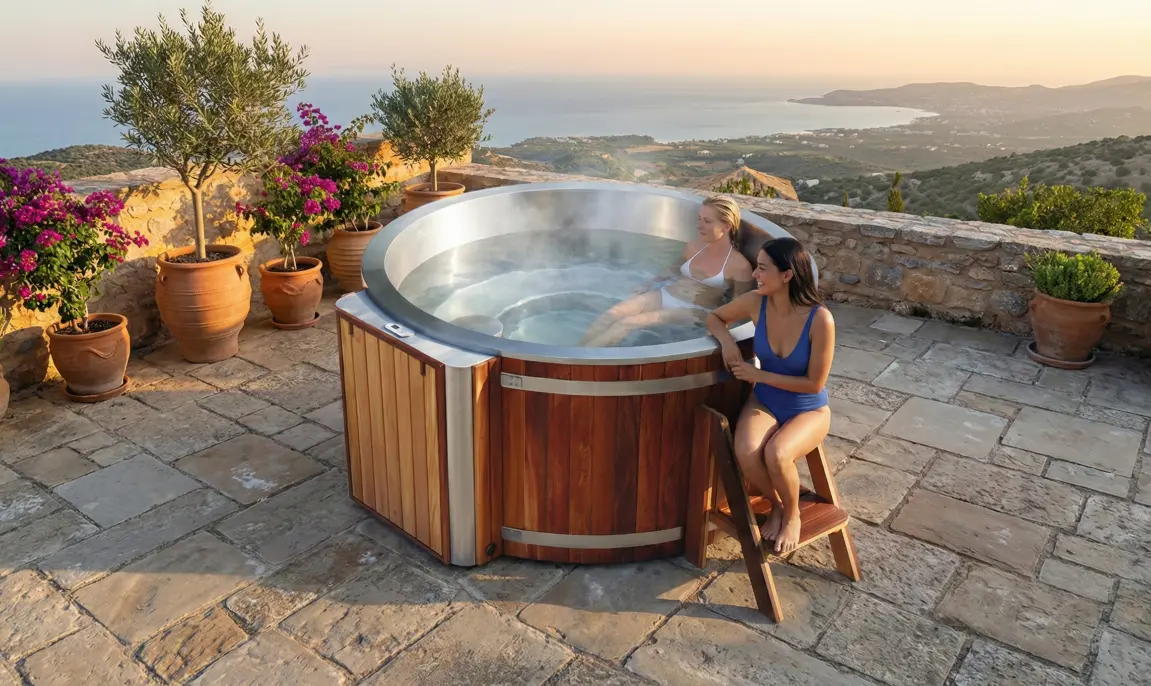
Outdoor Hot Tubs are affected by their surroundings.
Air temperature, wind, water temperature, and insulation can all influence how quickly heat is gained or lost. A heating system that works well under one set of conditions may behave differently under another.
This is particularly noticeable during colder weather.
A flexible heating system can give users more ways to manage different conditions, but no heating system can completely eliminate the influence of the environment.
For this reason, insulation, a suitable cover, and proper installation remain important parts of the overall Hot Tub Setup.
8. Wood-Fired and Electric Heating Can Serve Different Purposes
One of the interesting aspects of a hybrid hot tub is that wood-fired and electric heating do not necessarily have to compete with each other.
They can serve different purposes within the same system.
Wood-fired heating can be part of the initial heating process, while electric heating can provide controlled temperature management when needed.
This creates a more flexible operating model than relying on only one heating source.
The right balance depends on how the hot tub is used, local conditions, and the specific configuration of the system.
9. Where Does a Hybrid Hot Tub Fit Best?
The flexibility of hybrid heating can be useful across different settings.
For a private home, it can adapt to changing schedules and different usage habits.
For a vacation home or outdoor retreat, flexible heating can be useful when the hot tub is not used every day.
For hotels, resorts, and wellness spaces, the heating system may need to accommodate different usage periods throughout the day.
The important point is that the value of a hybrid system comes from how its heating options fit the actual operating routine.
10. Why Heating Flexibility Matters for Long-Term Use
A hot tub is not only a product that is purchased; it is a system that is used repeatedly.
Over time, users may change their schedules, usage frequency, or preferred way of preparing the water.
A heating system that provides different operating options can therefore offer more flexibility as usage patterns change.
For manufacturers such as Vapasauna, this practical aspect is an important part of developing hot tub solutions. The goal is not simply to add more functions, but to make the heating system useful across different everyday scenarios.
11. Final Thoughts
The difference between a traditional hot tub and a hybrid hot tub is not simply about having one heating source or two.
It is about how the heating system fits into everyday use.
Traditional systems can provide a straightforward heating approach for predictable routines. Hybrid systems add another layer of flexibility by combining different heating sources for different stages of use.
There is no single setup that suits every user. Water volume, climate, insulation, usage frequency, and heating configuration all influence the actual experience.
For users looking for a more adaptable heating approach, Vapasauna hybrid hot tubs combine wood-fired heating with electric temperature control to support different daily usage scenarios.