

Hybrid Hot Tub vs Wood-Fired Hot Tub: Key Differences Explained
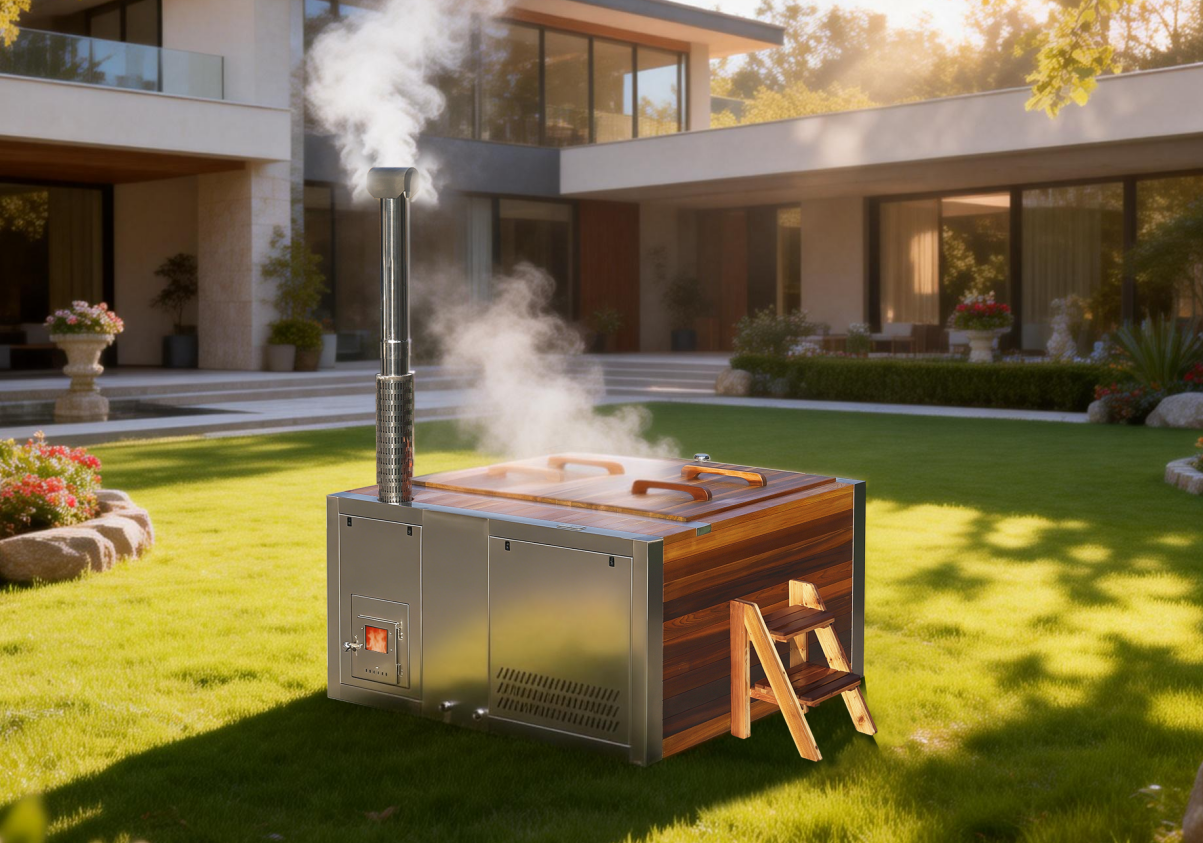
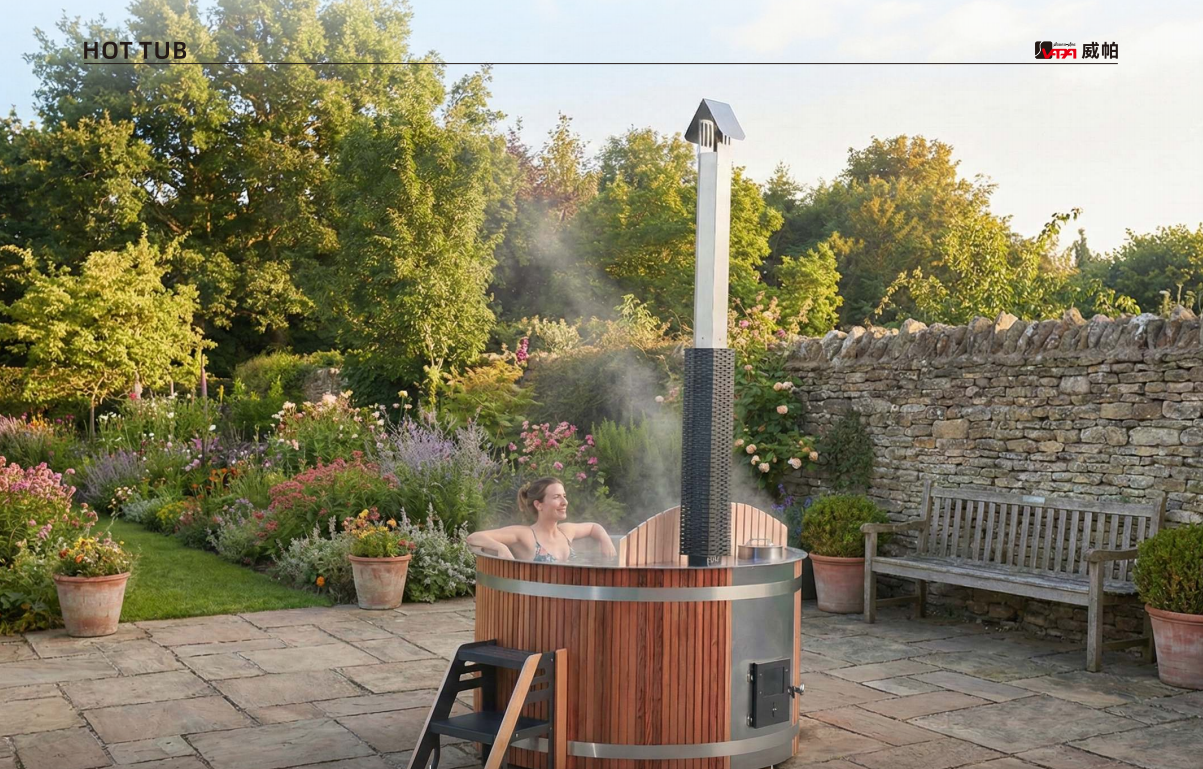
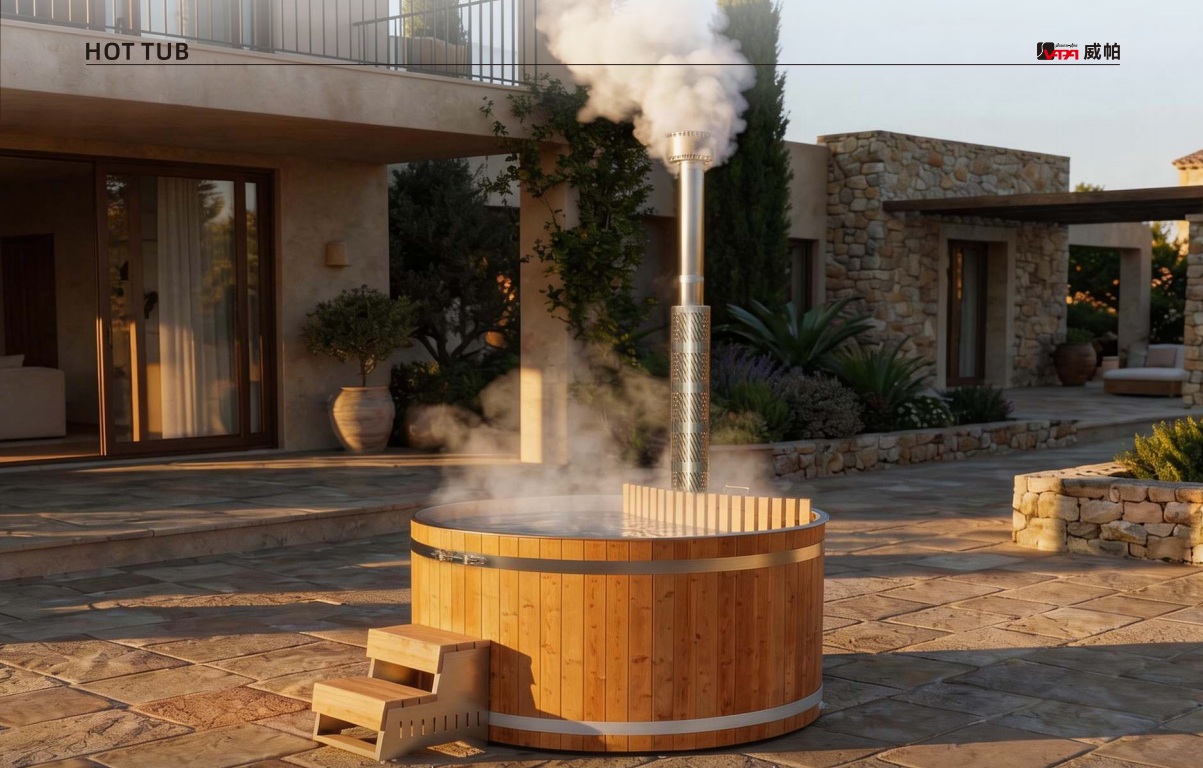
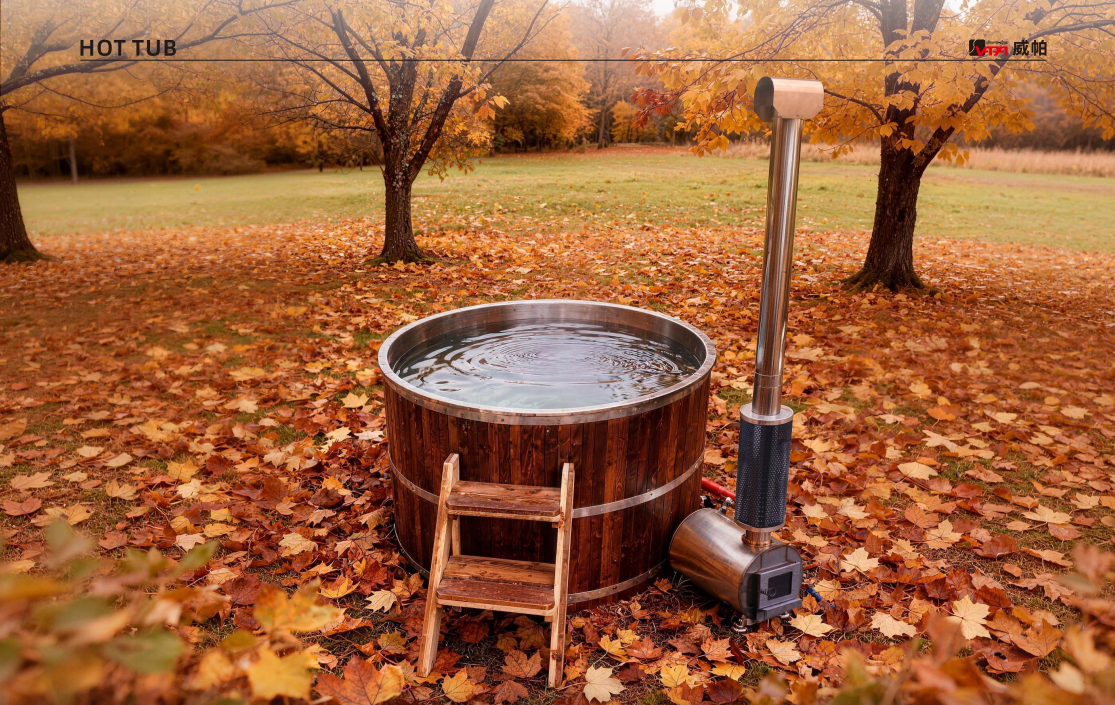
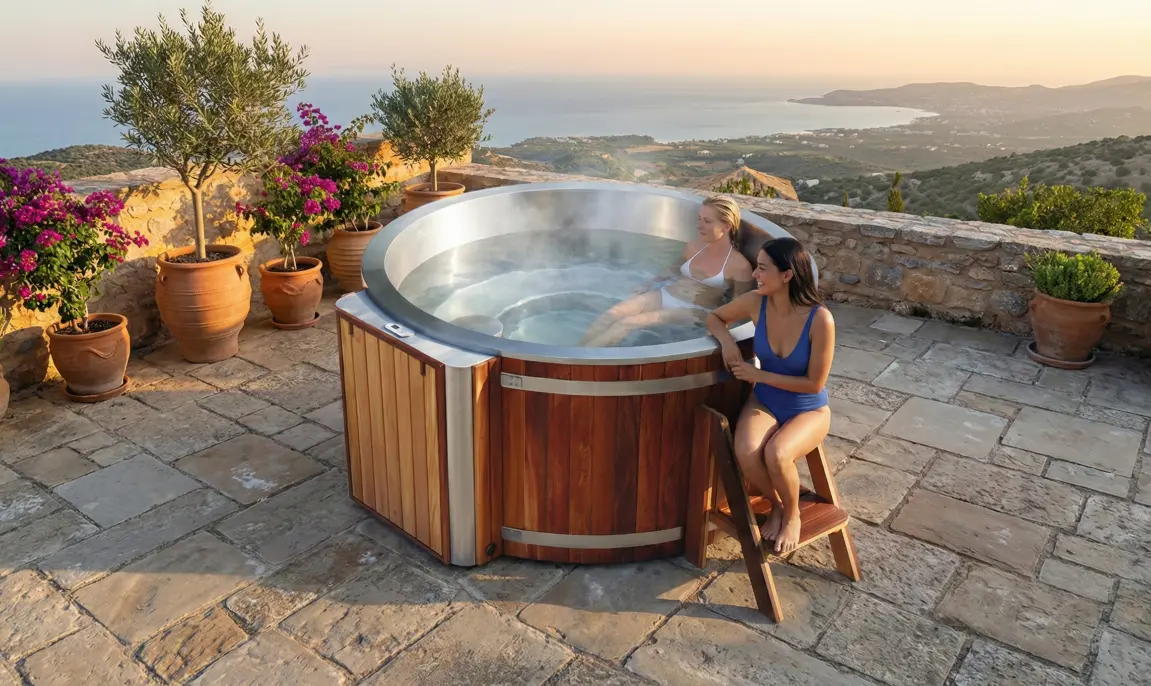
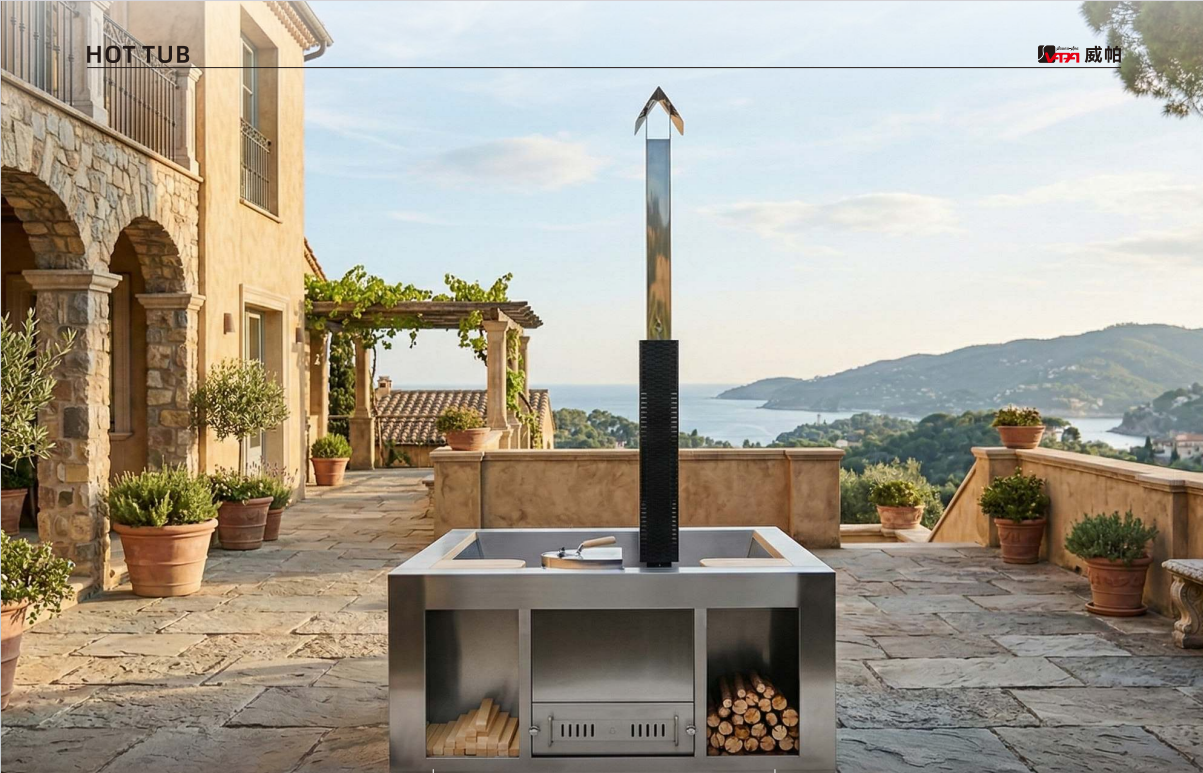
A wood-fired hot tub offers a traditional outdoor soaking experience, combining warm water with the natural atmosphere of a real wood fire. For many users, this traditional heating method is part of the appeal.
However, wood-fired heating also requires preparation and active fire management. Users need to allow sufficient time for the water to heat and may need to add wood during the heating process.
A hybrid hot tub takes a different approach by combining wood-fired heating with electric heating. This gives users more flexibility when choosing how to heat and maintain the water.
Vapasauna hybrid hot tubs are designed around this flexible heating concept, combining the traditional character of wood-fired heating with the convenience of electric temperature control.
So, when comparing a Hybrid Hot Tub vs Wood-Fired Hot Tub, what are the key differences?
The main factors to consider are heating options, heating flexibility, temperature control, convenience, maintenance, and the intended application.
What Is the Difference Between a Hybrid Hot Tub and a Wood-Fired Hot Tub?
The biggest difference is the heating system.
A wood-fired hot tub primarily relies on burning wood to heat the water. This makes it attractive for outdoor environments and users who enjoy a traditional heating experience. It can also be useful in locations where access to electricity is limited.
However, heating performance can vary depending on factors such as water volume, starting water temperature, outdoor conditions, wood quality, and fire management.
Users generally need to prepare the fire before using the hot tub and allow enough time for the water to reach the desired temperature.
A hybrid hot tub combines wood-fired and electric heating systems in one unit.
This gives users more control over how the hot tub is heated. The wood-fired system can be used independently when users want the traditional experience, while the electric system provides another option for convenient heating and temperature maintenance.
For a broader comparison of hybrid and traditional hot tubs, see our guide to [Hybrid Hot Tub vs Traditional Hot Tub].
1. Heating Options: Single vs Dual Heating
The most important difference between the two systems is the number of heating options available.
Wood-Fired Hot Tub
A wood-fired hot tub uses wood as its primary heat source.
This approach can provide a natural outdoor experience without relying on electric heating. It can be particularly attractive for users who enjoy the process of building and managing a real fire.
However, users need to prepare firewood, start the fire, and monitor the heating process. Heating time can also vary depending on environmental conditions and the amount of water being heated.
Hybrid Hot Tub
A hybrid hot tub adds an electric heating system to the wood-fired system.
Depending on the model and operating conditions, users can choose from several heating approaches:
- Wood-fired heating only for a traditional experience
- Electric heating for convenient temperature maintenance
- Wood-fired and electric heating together when additional heating capacity is needed
This flexibility is one of the main differences between a hybrid hot tub and a conventional wood-fired model.
2. Which Hot Tub Heats Faster?
Heating time is an important consideration when choosing between a hybrid and wood-fired hot tub.
A wood-fired hot tub can heat water effectively, but the actual heating time depends on factors such as water volume, starting temperature, outdoor temperature, insulation, and the efficiency of the wood-burning system.
A hybrid hot tub can use both heating systems at the same time when faster heating is required.
Under suitable conditions, Vapasauna hybrid hot tubs can reach a comfortable soaking temperature in approximately 40 minutes. Actual heating time will vary depending on the specific model, water volume, starting temperature, weather conditions, insulation, and operating method.
The key advantage of a hybrid system is therefore not simply a fixed heating time. It is the ability to combine two heating sources when additional heating capacity is needed.
If you want to learn more about factors that can affect hot tub heating performance, see [Why Is My Hot Tub Heating So Slowly?].
3. Temperature Control: Manual vs Automatic
Heating the water is only part of the hot tub experience. Maintaining a comfortable temperature is equally important.
With a wood-fired hot tub, temperature management generally requires more manual attention. Users need to monitor the fire and adjust the amount of wood being burned to control the heating process.
For some users, this hands-on approach is part of the traditional wood-fired experience.
However, users who prefer more convenient temperature management may find a hybrid system more practical.
A hybrid hot tub can use its electric heating system together with a built-in thermostat to maintain the desired water temperature after the initial heating process.
This allows users to reduce or stop wood-fired heating once the target temperature has been reached and use electric heating to maintain the temperature.
Vapasauna's hybrid heating approach is designed to give users greater control over both heating and temperature maintenance, allowing them to choose the heating method according to their needs.
4. Energy Flexibility
Another important difference is how each system uses energy.
A wood-fired hot tub relies primarily on firewood. This can be an advantage in areas where electricity is limited, but it also means users need a reliable supply of suitable wood.
A hybrid hot tub provides greater flexibility because it can use both wood and electricity.
For example:
When electricity is readily available:
Users can use electric heating for convenient temperature maintenance.
When users want a traditional experience:
The wood-fired system can be used independently.
When additional heating capacity is needed:
Both heating systems can be operated together, depending on the model and operating conditions.
This makes a hybrid system adaptable to different locations, seasons, and usage schedules.
If you're comparing hybrid technology with electric heating, our [Hybrid Hot Tub vs Electric Hot Tub] comparison provides a more focused look at the differences.
5. Which Is More Convenient for Everyday Use?
A wood-fired hot tub generally requires more preparation before use.
Users may need to:
- Prepare firewood
- Start the fire
- Monitor the heating process
- Add wood when necessary
- Wait for the water to reach the desired temperature
For some people, this is part of the enjoyment.
For others, especially busy homeowners, vacation-property operators, hotels, and resorts, convenience may be a higher priority.
A hybrid hot tub provides another option. Users can still enjoy wood-fired heating while having access to electric heating for temperature maintenance.
This means the hot tub does not have to rely entirely on manual fire management every time it is used.
6. Which System Requires More Maintenance?
Both types of hot tubs require regular maintenance.
Water quality, filtration, circulation, cleaning, and equipment inspection are important regardless of the heating method.
A hybrid hot tub can include integrated filtration, circulation, and sanitization systems designed to support water quality and simplify routine water management.
The heating equipment should also be inspected and maintained according to the manufacturer's recommendations.
A wood-fired system requires attention to the fire and wood-burning components, while a hybrid system includes both heating technologies that need to be maintained.
For this reason, buyers should compare the complete maintenance requirements of the specific model, rather than assuming that one heating method is maintenance-free.
7. Which Hot Tub Is Better for Off-Grid Locations?
For locations without reliable electricity, a wood-fired hot tub can be a practical choice.
Because the primary heating source is wood, it can be used in many outdoor and remote environments without relying on electric heating.
A hybrid hot tub can also use its wood-fired heating system independently, depending on the model.
The difference is that when electricity becomes available, the hybrid system provides an additional heating option.
This makes hybrid technology particularly useful for properties where energy availability may change over time.
8. Which Is Better for Homes, Hotels, and Resorts?
The best choice depends on how the hot tub will be used.
Wood-Fired Hot Tub
A wood-fired hot tub may be a good choice for:
- Remote outdoor locations
- Off-grid properties
- Traditional outdoor bathing experiences
- Users who enjoy managing a wood fire
Hybrid Hot Tub
A hybrid hot tub may be better suited to:
- Private homes
- Vacation properties
- Hotels
- Resorts
- Campsites
- Commercial outdoor leisure projects
For commercial applications, having more than one heating option can provide additional flexibility when operating schedules, guest demand, and weather conditions change.
Additional Features of Hybrid Hot Tubs
Heating is the main difference between a hybrid and wood-fired hot tub, but the overall product experience also matters.
Depending on the model, a hybrid hot tub can include features such as:
- Massage jets
- Integrated lighting
- Waterfall effects
- Filtration systems
- Water circulation
- Sanitization systems
These features can enhance comfort and make a hot tub suitable for both private relaxation and commercial outdoor wellness applications.
However, these features should be considered separately from the main heating comparison.
The primary distinction remains the combination of wood-fired and electric heating.
For a broader overview of hybrid hot tub features and benefits, see [Top 10 Advantages of Hybrid Temperature-Controlled Hot Tub].
Hybrid Hot Tub vs Wood-Fired Hot Tub: Quick Comparison
| Feature | Hybrid Hot Tub | Wood-Fired Hot Tub |
|---|---|---|
| Wood-fired heating | Yes | Yes |
| Electric heating | Yes | Usually no |
| Dual heating | Yes | No |
| Wood-only operation | Yes | Yes |
| Electric temperature maintenance | Yes | No |
| Heating flexibility | High | Lower |
| Manual fire management | Optional | Required |
| Off-grid wood heating | Yes | Yes |
| Energy options | Wood + electricity | Primarily wood |
| Commercial application flexibility | High | Depends on application |
Which Hot Tub Should You Choose?
A wood-fired hot tub may be the better option if you value:
- A traditional outdoor heating experience
- Wood-based heating
- Off-grid operation
- The atmosphere of a real wood fire
- Hands-on control of the heating process
A hybrid hot tub may be the better option if you want:
- Wood-fired and electric heating
- Greater heating flexibility
- More convenient temperature maintenance
- The option to combine heating systems
- Greater adaptability for residential or commercial use
Neither option is universally better.
The right choice depends on your location, available energy sources, preferred level of convenience, and how frequently the hot tub will be used.
Final Thoughts
A wood-fired hot tub remains an appealing choice for users who enjoy traditional outdoor heating and the natural atmosphere of a real wood fire.
A hybrid hot tub builds on that experience by combining wood-fired heating with electric heating and temperature-control capabilities.
Its biggest advantage is flexibility.
Users can choose wood-fired heating when they want the traditional experience, electric heating when convenient temperature maintenance is more important, or both systems when additional heating capacity is needed.
Vapasauna takes this flexible approach to hot tub heating by combining the traditional character of wood-fired heating with the convenience of electric temperature control. This makes the hybrid concept suitable for homeowners, vacation properties, hotels, resorts, and outdoor leisure businesses looking for a more adaptable hot tub solution.
If you want the traditional character of a wood-fired hot tub while having more heating and temperature-control options, a hybrid hot tub can offer a practical balance between traditional heating and modern convenience.