

Hybrid Hot Tub vs Traditional Hot Tub: Which Is Right for You?
Comparing Heating, Energy Flexibility, Comfort, and Long-Term Use
Choosing the right hot tub involves more than comparing appearance and price. Heating speed, energy options, temperature control, maintenance, and long-term operating costs can all affect the overall experience.
Traditional hot tubs typically rely on a single heating method, such as wood-fired or electric heating. While these systems can meet basic soaking needs, they may have limitations depending on the user's location, climate, energy availability, and usage frequency.
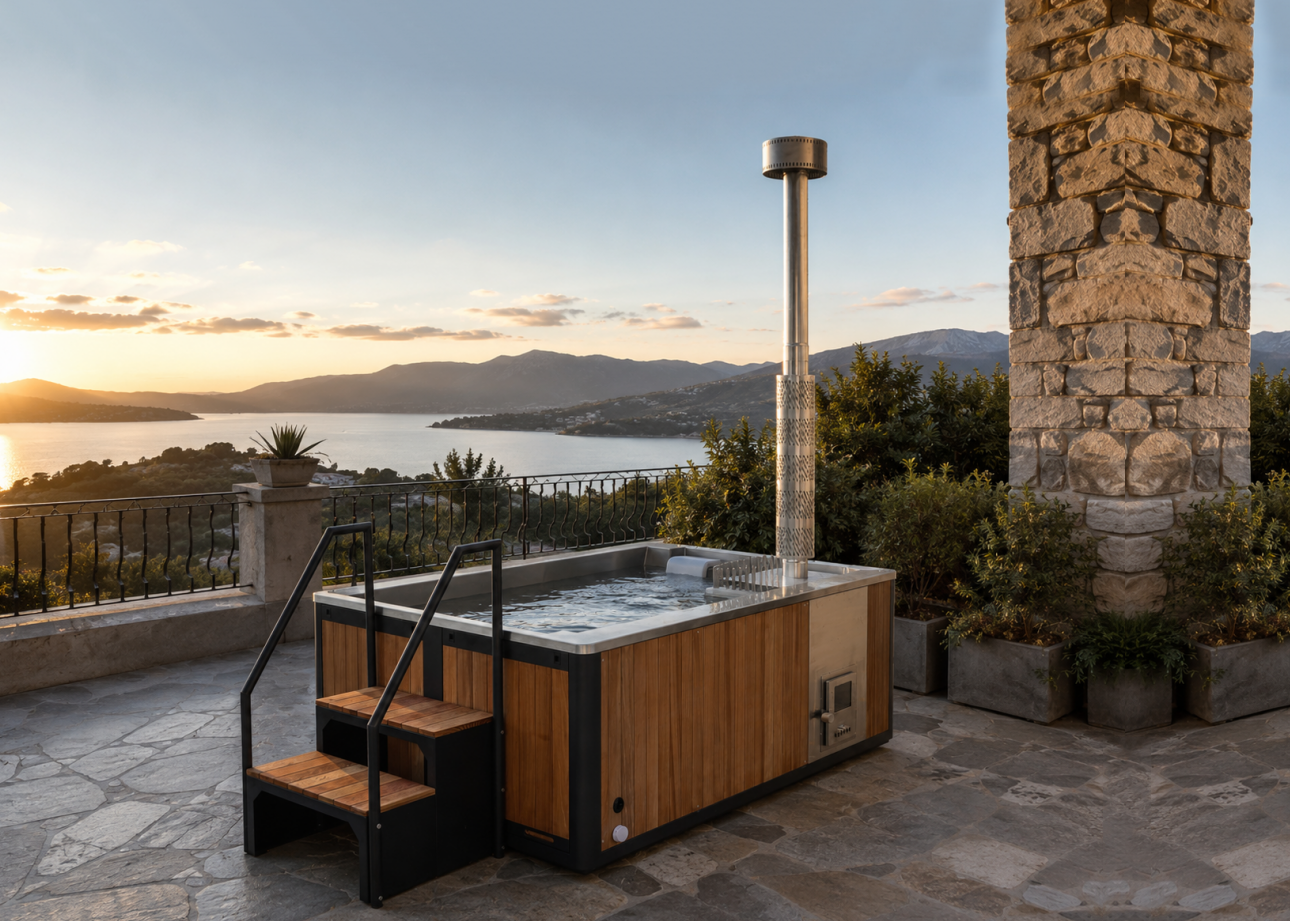
A hybrid hot tub takes a different approach by combining wood-fired and electric heating systems. This gives users more flexibility in how they heat and maintain the water, making hybrid models suitable for private homes, hotels, resorts, campsites, and other outdoor leisure applications.
So, what is the difference between a hybrid hot tub and a traditional hot tub, and which option makes more sense for your needs?
What Is the Difference Between a Hybrid Hot Tub and a Traditional Hot Tub?
A traditional hot tub generally uses one primary heating method.
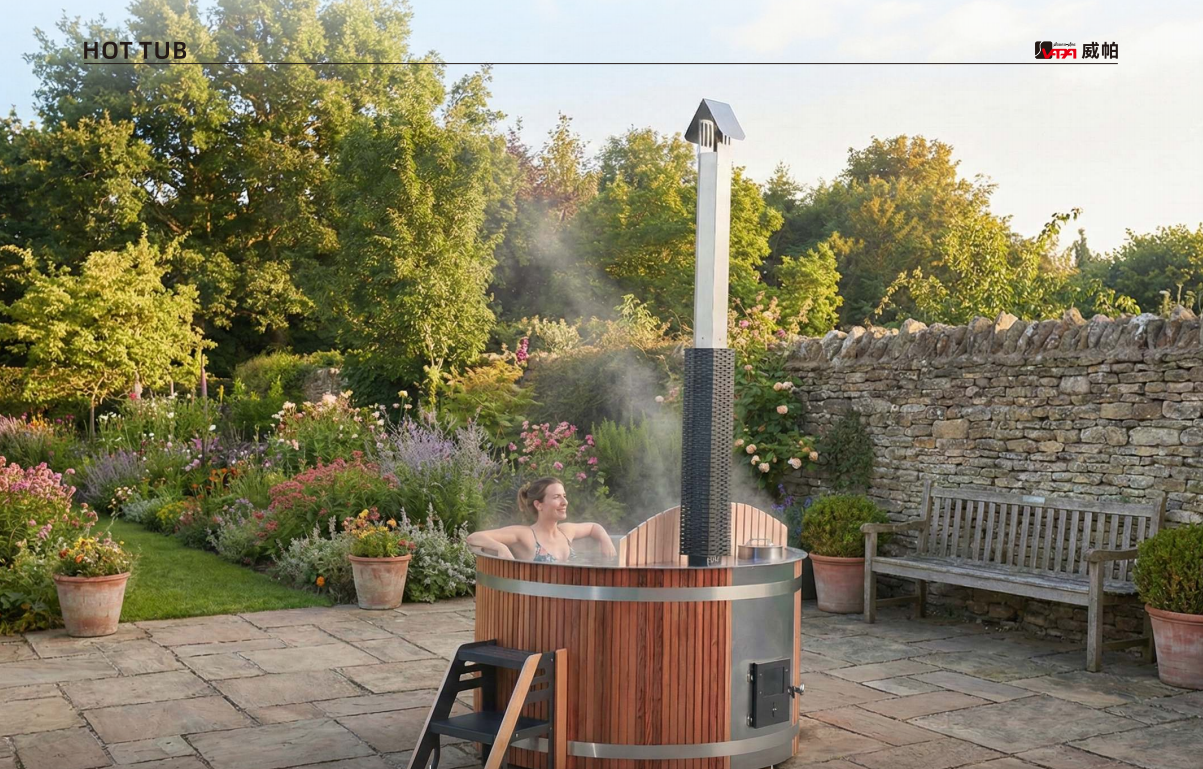
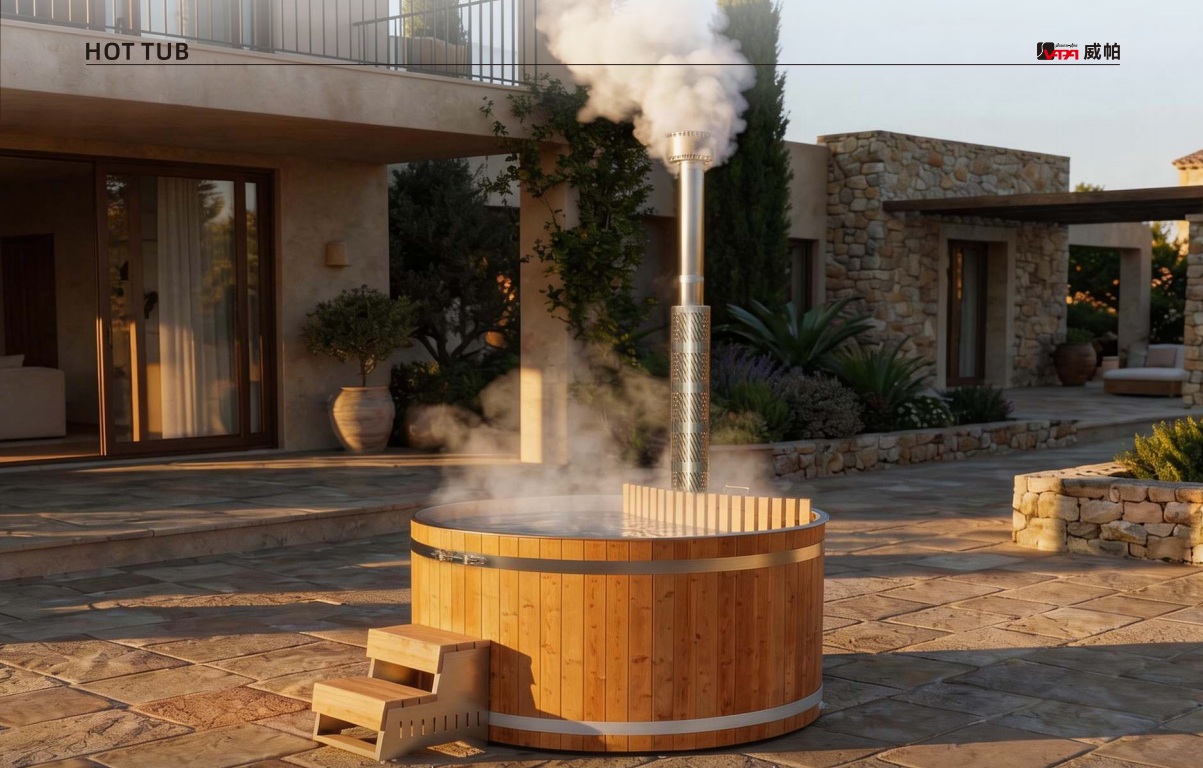
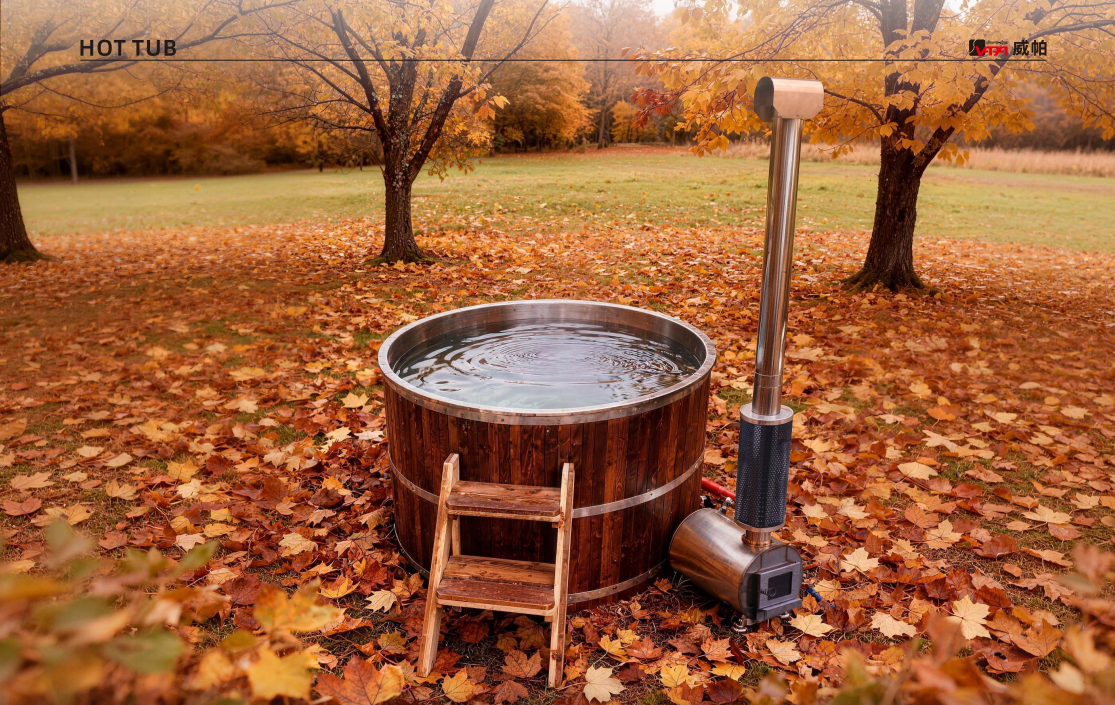
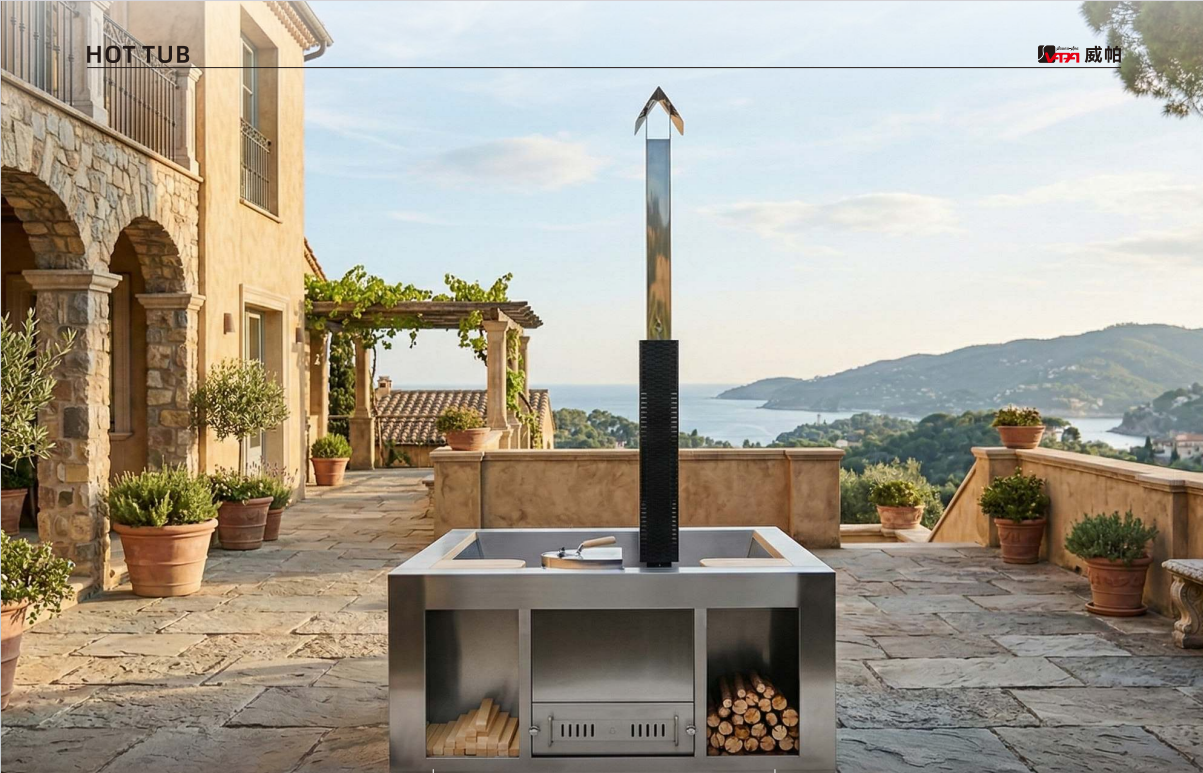
A wood-fired hot tub uses a wood-burning heating system to raise the water temperature. It can be a practical choice for outdoor locations and users who prefer wood as their primary energy source. However, heating time can vary depending on water volume, outdoor temperature, wood quality, and operating conditions.
An Electric Hot Tub relies on electricity for heating and temperature maintenance. Electric heating offers convenient operation and automatic temperature control, but continuous heating can increase electricity consumption, particularly for larger water volumes or frequent commercial use.
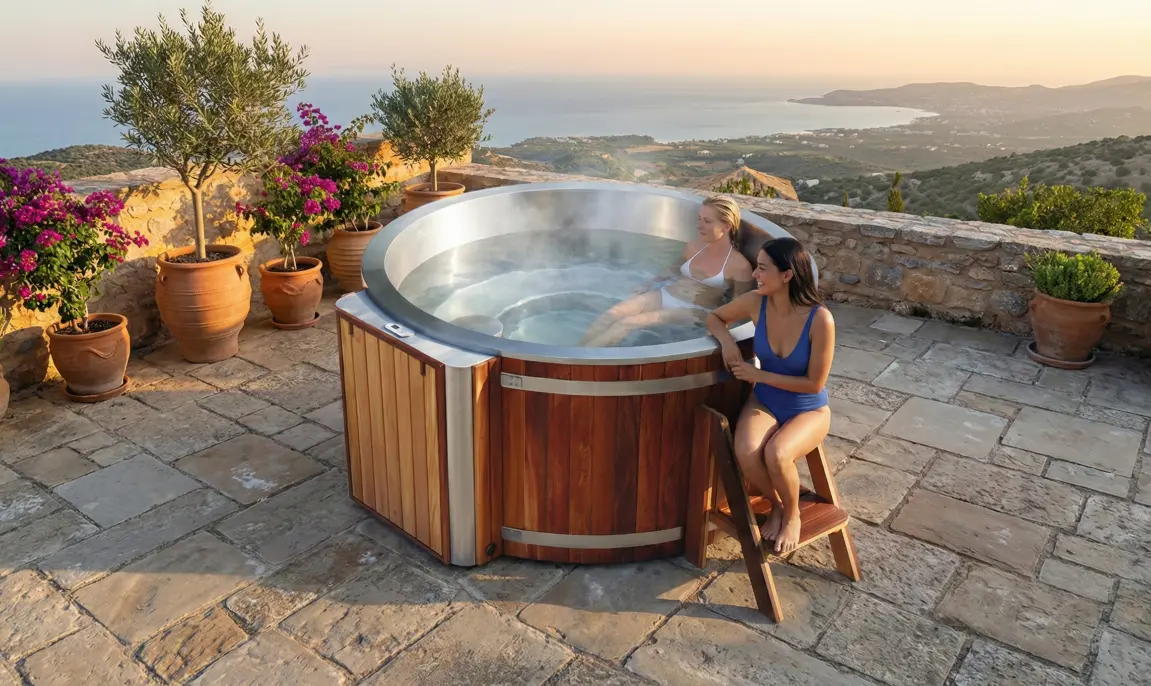
A hybrid hot tub combines both heating methods in one system. Depending on the model, users can operate the wood-fired and electric heating systems independently or together.
This allows the heating method to be adjusted according to the environment, available energy sources, heating requirements, and usage schedule.
For a more detailed explanation of how the dual heating system works, see Vapasauna's Hybrid Temperature-Controlled Hot Tub Buying Guide.
Hybrid Heating Provides Greater Flexibility
One of the biggest differences between hybrid and traditional single-heating hot tubs is energy flexibility.
When rapid heating is required, the wood-fired and electric systems can operate simultaneously. Under suitable conditions—including water volume, outdoor temperature, and starting water temperature—the system can reach a comfortable soaking temperature in approximately 40 minutes.
Once the desired temperature is reached, the wood-fired system can be turned off while the electric heating system and thermostat maintain the selected water temperature.
Users can also operate the wood-fired heating system independently when electricity availability is limited or when they prefer to use wood as the primary heating source.
This flexibility allows the hot tub to adapt to different environments and usage patterns rather than relying entirely on one energy source.
Heating Speed: Hybrid vs Traditional Hot Tubs
Heating speed is an important consideration for many hot tub users.
Traditional wood-fired hot tubs can provide an enjoyable natural heating experience, but heating time may be longer depending on outdoor temperature, water volume, and operating conditions.
Electric hot tubs offer convenient automatic heating, but heating larger volumes of water can take considerable time, especially in colder weather.
A hybrid system provides another option. By operating both heating systems at the same time, users can increase the heating rate when faster temperature rise is needed.
This can be particularly valuable for hotels, resorts, vacation rentals, and other commercial applications where a long pre-heating period can reduce availability.
However, actual heating time varies according to the model, water volume, starting temperature, outdoor conditions, and other operating factors. The approximately 40-minute figure should therefore be understood as a performance reference under suitable conditions rather than a guaranteed heating time for every installation.
Temperature Control After Heating
Heating the water quickly is only part of the overall hot tub experience. Maintaining a comfortable temperature is equally important.
Traditional wood-fired hot tubs generally require more active attention to the heating process because the user controls the heat source directly.
Electric hot tubs can provide convenient automatic temperature maintenance, but they depend entirely on electrical power.
A hybrid hot tub combines these approaches.
After the initial heating stage, the electric heating system and built-in thermostat can be used to maintain the selected water temperature. This allows users to benefit from the flexibility of wood-fired heating while retaining the convenience of electric temperature maintenance.
For a detailed comparison of hybrid and electric heating, see Vapasauna's Hybrid Hot Tub vs Electric Hot Tub guide.
Energy Flexibility for Different Locations
Not every hot tub installation has the same energy requirements.
A private home with reliable electricity may prioritize convenience and automatic temperature control. An outdoor campsite or remote tourism project may have limited access to electricity and place greater importance on wood-fired heating.
A hybrid hot tub can accommodate both situations.
Electric heating can be used for convenient temperature maintenance, while wood-fired heating can provide an alternative energy source when appropriate.
For users comparing hybrid and wood-fired systems specifically, Vapasauna also provides a dedicated Hybrid Hot Tub vs Wood-Fired Hot Tub comparison.
Comfort Features Go Beyond Heating
A modern hot tub is more than a container of heated water.
Depending on the model, hybrid hot tubs can include massage jets, lighting, waterfall features, filtration, circulation, and sanitization systems.
Massage jets create relaxing water flow for a more comfortable soaking experience. Integrated lighting can enhance the atmosphere during evening use, while waterfall features add visual appeal to outdoor spaces.
These features can make a hybrid hot tub suitable for family relaxation, social gatherings, luxury homes, hotels, resorts, and commercial outdoor leisure projects.
However, features should always be evaluated alongside the heating system, maintenance requirements, durability, and intended application.
Water Management and Maintenance
Water quality is another important difference between simply heating water and operating a complete hot tub system.
An integrated filtration and circulation system helps keep water moving and reduces impurities. Sanitization systems can further support better water hygiene when operated and maintained according to the manufacturer's instructions.
For homeowners, effective water management can reduce routine maintenance effort. For hotels, resorts, and rental properties, it can also improve operational efficiency and help provide a more consistent guest experience.
Regular maintenance remains important regardless of the heating system. Filters, water chemistry, covers, circulation components, and other parts should be inspected and maintained according to the manufacturer's recommendations.
Which Hot Tub Is Right for You?
There is no single heating system that is ideal for every user.
A traditional electric hot tub may be a good choice for users who prioritize simple operation, automatic temperature control, and reliable access to electricity.
A wood-fired hot tub may appeal to users who prefer a traditional outdoor heating experience, have access to firewood, or are installing a hot tub in a location where electricity is limited.
A hybrid hot tub is particularly attractive for users who want greater flexibility. The ability to combine wood-fired and electric heating allows the system to adapt to different heating requirements, environments, and usage schedules.
For commercial properties, this flexibility can be especially valuable because heating requirements may change depending on guest demand, weather, and operating hours.
Why Choose a Hybrid Hot Tub?
When comparing a hybrid hot tub with a traditional single-heating hot tub, the main difference is not simply heating speed.
The key advantage is flexibility.
A hybrid system provides:
-
Two heating options in one hot tub
-
The ability to use both heating systems simultaneously
-
Flexible operation depending on energy availability
-
Electric temperature maintenance after initial heating
-
Wood-fired heating for locations with limited electricity
-
A range of comfort and water-management features
-
Greater adaptability for residential and commercial applications
These characteristics make hybrid hot tubs a practical option for users who want more control over how their hot tub operates.
Final Thoughts
Traditional hot tubs continue to provide a simple and effective way to enjoy warm water outdoors. However, relying on a single heating method may not suit every location or usage pattern.
A hybrid hot tub combines wood-fired and electric heating to provide greater energy flexibility, faster heating options, and convenient temperature maintenance.
For private homes, resorts, hotels, campsites, and other outdoor leisure projects, this combination can provide a more adaptable hot tub experience.
If you are comparing different hot tub options, consider not only the initial purchase price, but also heating speed, energy availability, temperature control, maintenance requirements, and long-term operating needs.
For more information about Vapasauna's hybrid hot tubs and available configurations, explore the Vapasauna hot tub range.