

Hybrid Hot Tub vs Electric Hot Tub: What Commercial Buyers Should Consider
Choosing a Hot Tub for a commercial project involves more than comparing the purchase price or the number of features. Hotels, resorts, glamping sites, vacation rentals, and other outdoor wellness projects may have very different requirements for heating, daily operation, electricity availability, and maintenance.
For this reason, the right heating system depends largely on how the hot tub will actually be used.
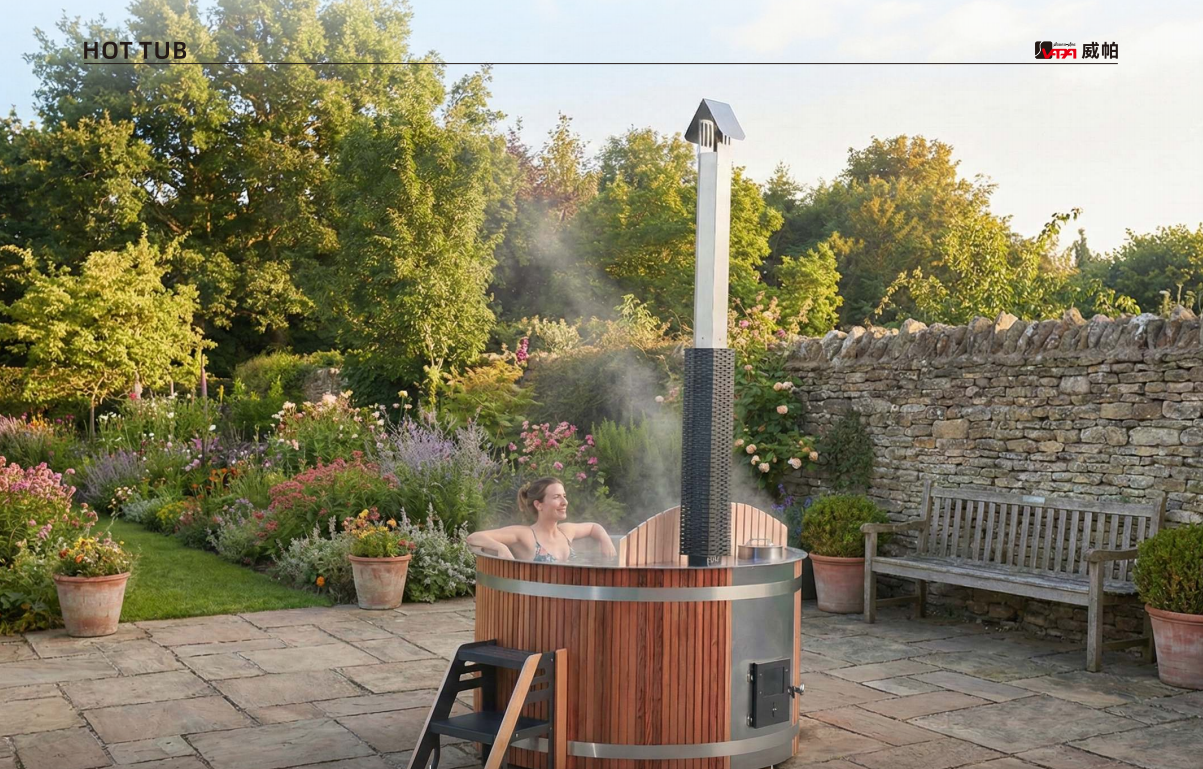
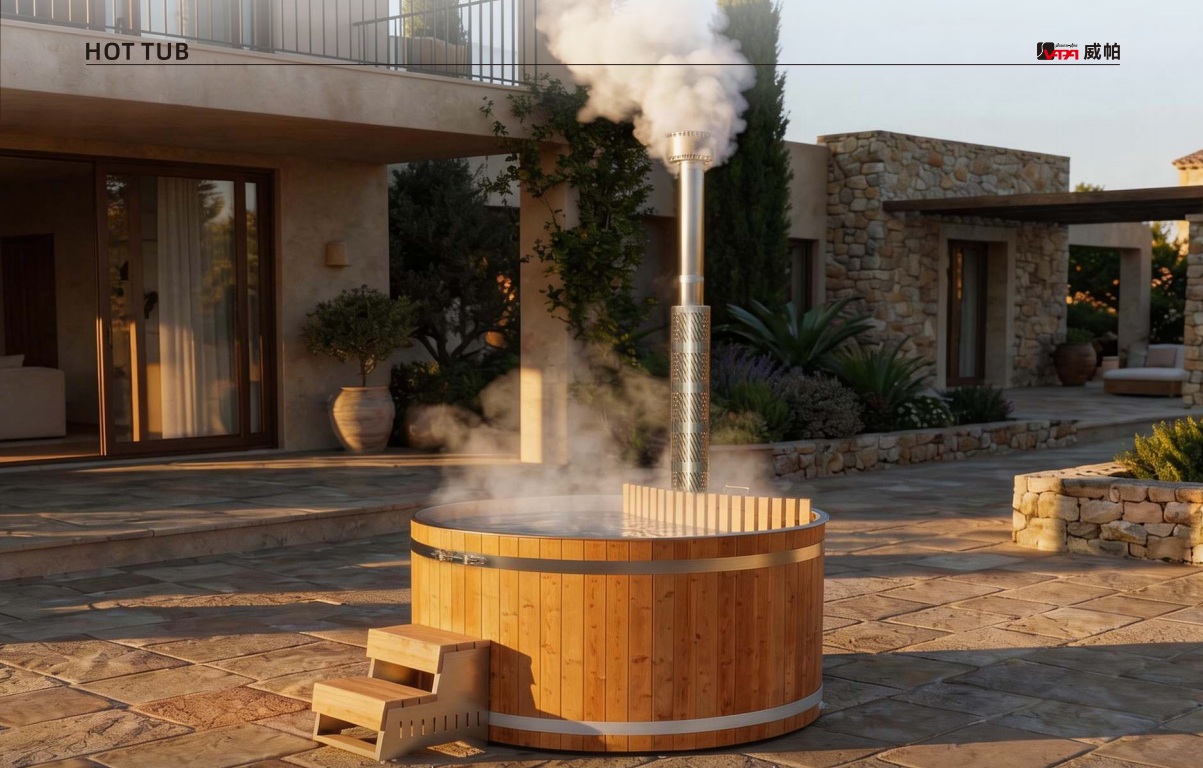
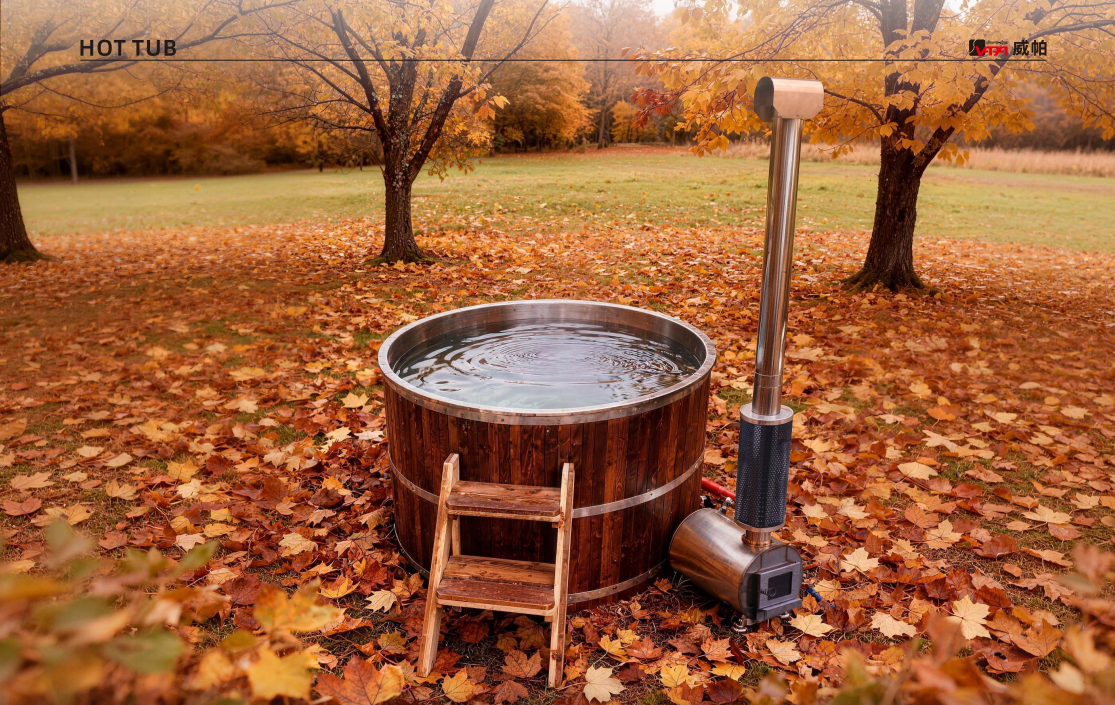
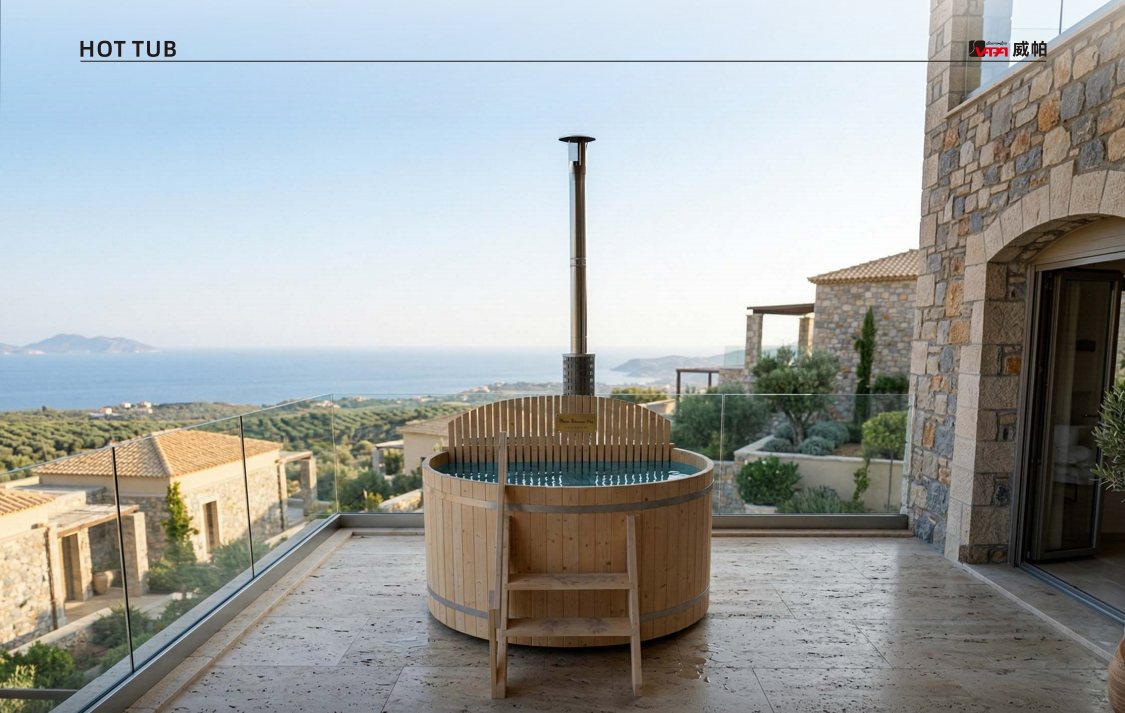
An Electric Hot Tub provides a straightforward heating solution for projects with stable electrical supply and relatively predictable usage. A hybrid hot tub, by combining wood-fired and electric heating, provides an additional heating option for projects that need greater flexibility.
So, when comparing a hybrid hot tub vs electric hot tub, what should commercial buyers look at?
1. Start With the Project's Daily Usage
The first question is not which heating system has more features, but how often the hot tub will be used.
A private rental property with occasional guests may have a different operating pattern from a resort where the spa facility is expected to be available throughout the day.
Commercial buyers should consider:
- How many times will the hot tub be used each day?
- Does the water need to be heated from cold before guest arrival?
- Will different groups use the hot tub at different times?
- Does the project operate seasonally or throughout the year?
- How quickly does the facility need to become ready for use?
These factors can have a direct influence on which heating configuration makes sense for the project.
2. Consider How Much Heating Flexibility the Site Needs
Electric heating offers a relatively straightforward operating method when a project has stable power infrastructure.
However, outdoor wellness projects are not always located in the same conditions. A campsite, glamping site, resort, and urban hotel may have very different energy environments and operating schedules.
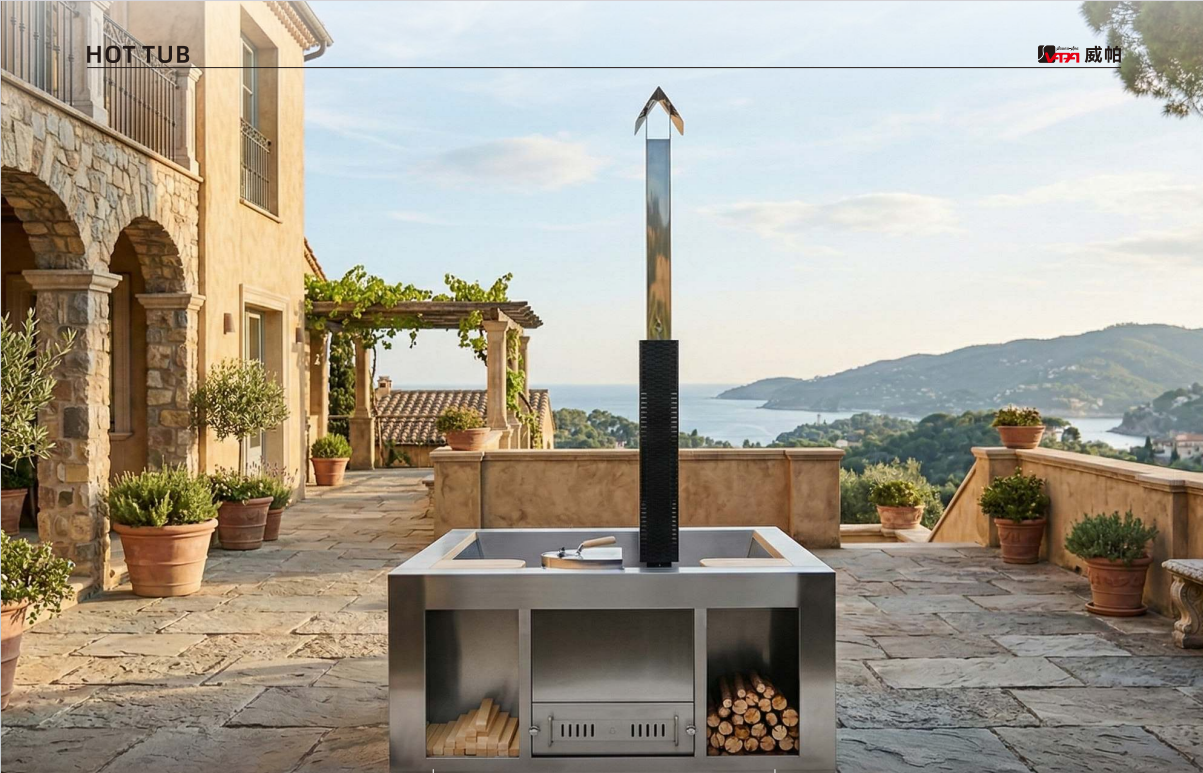
A hybrid hot tub combines electric heating with wood-fired heating, allowing the operator to use different heating methods according to the situation.
For example, both systems can be used together when a faster temperature increase is required. Once the desired temperature is reached, the electric system can help maintain the selected temperature.
Under suitable conditions, Vapasauna's hybrid system can reach a comfortable soaking temperature in approximately 40 minutes when the two heating systems operate together. Actual heating time varies according to factors such as water volume, starting temperature, outdoor conditions, and heating configuration.
The key consideration for commercial buyers is therefore not simply the heating time itself, but whether the system provides enough flexibility for the project's operating schedule.
3. Look at the Local Energy Environment
Energy availability is another important consideration for outdoor hot tub projects.
A hotel in an urban area may have reliable electrical infrastructure, while a remote campsite or glamping project may have more limited access to electricity.
With an electric-only hot tub, heating depends entirely on the available electrical system.
A hybrid configuration provides another option. The wood-fired system can be used independently in suitable situations, while electric heating can be used for temperature management when power is available.
This does not mean that a hybrid hot tub will always have lower operating costs. Instead, its value lies in giving operators more than one heating method to work with.
For commercial projects, that flexibility can be useful when operating conditions change between seasons, locations, or periods of high and low demand.
4. Evaluate More Than the Initial Purchase Price
Commercial equipment should be evaluated over its expected operating life rather than only by its purchase price.
Before selecting a hot tub, buyers should consider:
- Heating requirements
- Expected frequency of use
- Electricity availability
- Water capacity
- Outdoor climate
- Installation conditions
- Maintenance requirements
- Equipment accessibility
- After-sales support
- Replacement and service requirements
A lower initial purchase price does not necessarily mean lower overall operating costs.
Likewise, a more advanced heating system may not be necessary for every project.
The objective is to match the equipment configuration with the actual business model.
5. Think About Guest Experience and Equipment Availability
For hospitality businesses, the hot tub is part of the overall guest experience.
A guest may want to use an outdoor spa after checking in, after outdoor activities, or during the evening. If the equipment requires a long preparation period, availability can become a practical operational issue.
This is particularly relevant for hotels, resorts, and accommodation projects where multiple guests may use the facility throughout the day.
A flexible heating system can give operators more options when preparing the hot tub for different usage periods.
However, heating performance should always be evaluated together with water volume, climate, insulation, operating schedule, and other site conditions rather than treated as a single product specification.
6. Match the Heating System to the Application
Different commercial applications can lead to different priorities.
Boutique Hotels and Vacation Rentals
These projects may place greater emphasis on guest convenience, reliable operation, and the ability to prepare the hot tub according to booking schedules.
Resorts and Wellness Facilities
Projects with frequent daily use may need to consider heating response, temperature maintenance, equipment reliability, and long-term service requirements.
Glamping Sites and Outdoor Campsites
For outdoor locations, electricity availability can become a more important consideration. A hybrid system may provide additional flexibility where alternative heating options are useful.
Private Luxury Properties
For high-end residential projects, the decision may focus more on lifestyle preferences, heating convenience, design, and the overall outdoor experience.
There is therefore no single heating configuration that fits every project.
7. Compare the Complete System, Not Just the Heating Method
Heating is only one part of a Commercial Hot Tub.
Buyers should also examine the construction, water management system, controls, drainage, maintenance access, and available support.
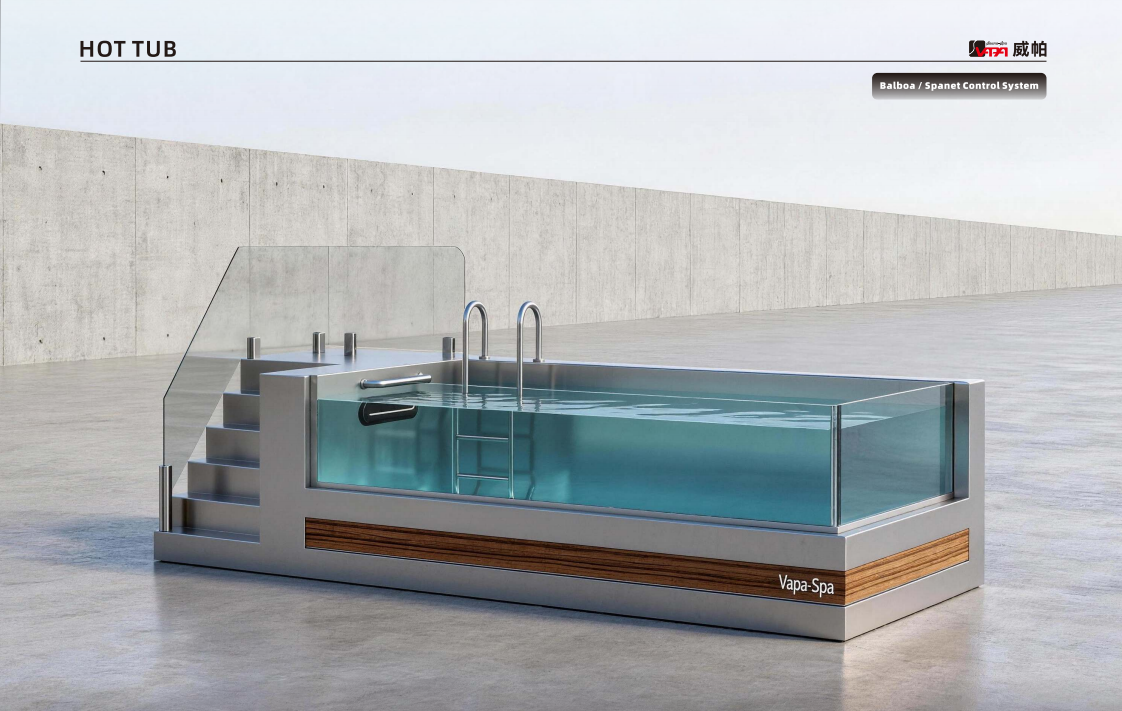
For example, a stainless steel structure can be relevant for outdoor durability and maintenance. Water circulation, filtration, and sanitization can influence daily water management. Smart controls can make temperature adjustment and system operation more convenient.
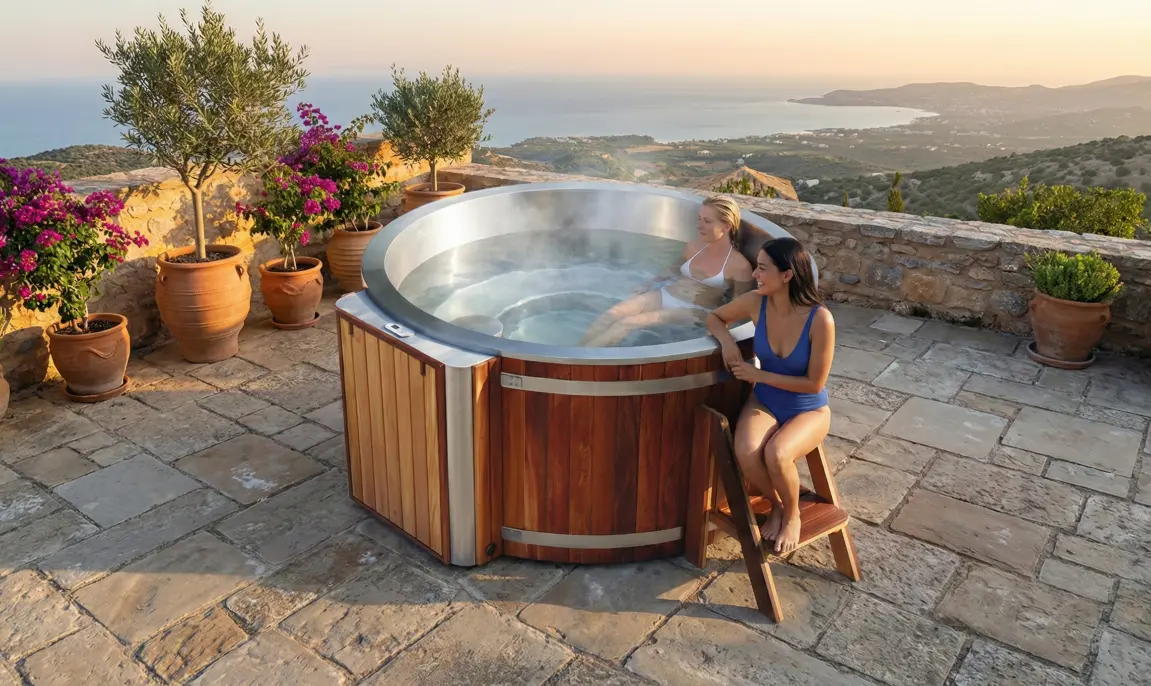
Vapasauna's hybrid hot tub combines dual heating with features such as a Spanet smart control system, 304 brushed stainless steel construction, massage jets, lighting, waterfall effects, and water filtration, circulation, and sanitization systems.
For commercial buyers, the important point is to evaluate how these features work together as part of the complete operating system.
8. When Should a Commercial Buyer Consider a Hybrid Hot Tub?
A hybrid hot tub may be worth considering when a project:
- Needs more than one heating option
- Has variable operating conditions
- Requires flexible heating schedules
- Is located in an outdoor or remote environment
- Wants to combine wood-fired heating with electric temperature control
- Needs to accommodate different usage patterns
An electric hot tub may be a practical option when the project has stable electricity, predictable usage, and no particular need for an alternative heating method.
The decision should therefore be based on the project's actual operating requirements rather than simply choosing the system with the longest feature list.
A More Practical Way to Choose
When comparing a hybrid hot tub vs electric hot tub, commercial buyers should look beyond the question of which system is more powerful.
The more useful question is:
Which heating configuration fits the project's location, usage pattern, energy conditions, and operating model?
For some projects, straightforward electric heating may provide everything that is required. For others, the ability to combine wood-fired and electric heating can provide additional operational flexibility.
Vapasauna develops hot tub solutions for residential and commercial outdoor wellness applications, including hybrid configurations designed around different project requirements. Its manufacturing capabilities also support OEM and ODM cooperation for international customers.
For hotels, resorts, glamping projects, vacation rentals, and premium outdoor spaces, choosing the right heating system is ultimately about creating a balance between heating performance, operational flexibility, user experience, and long-term practicality.