

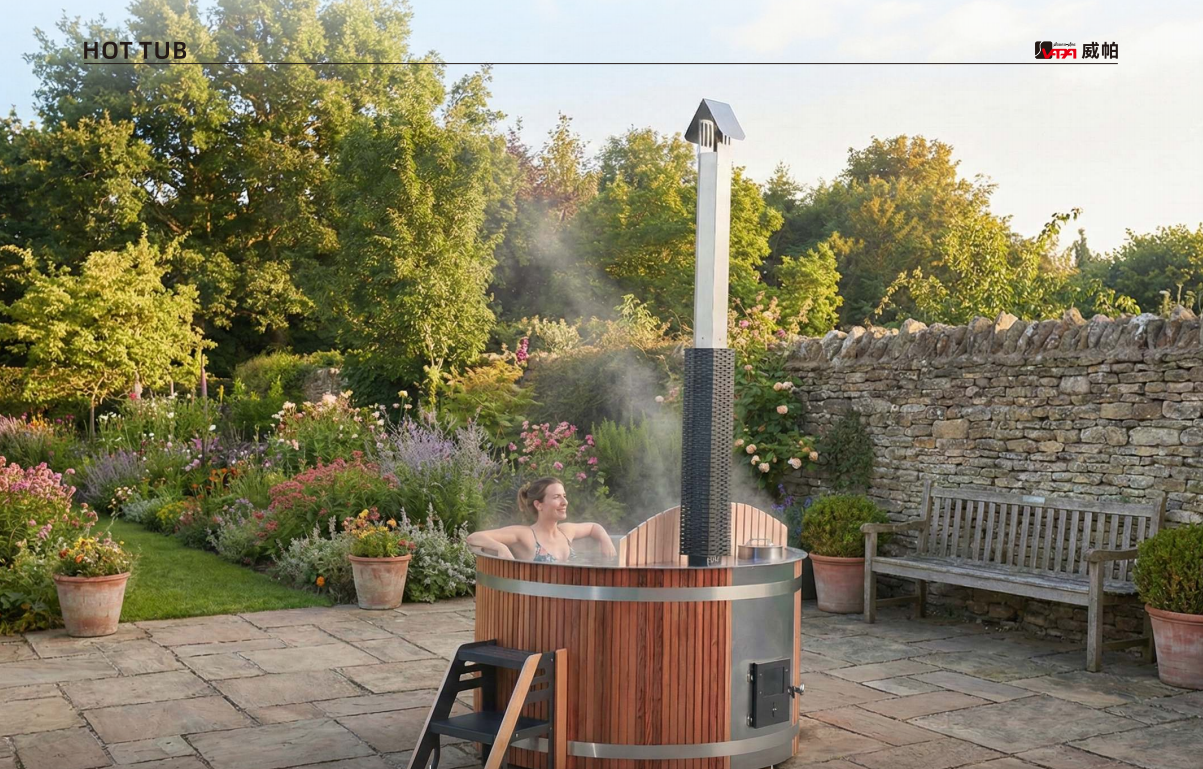
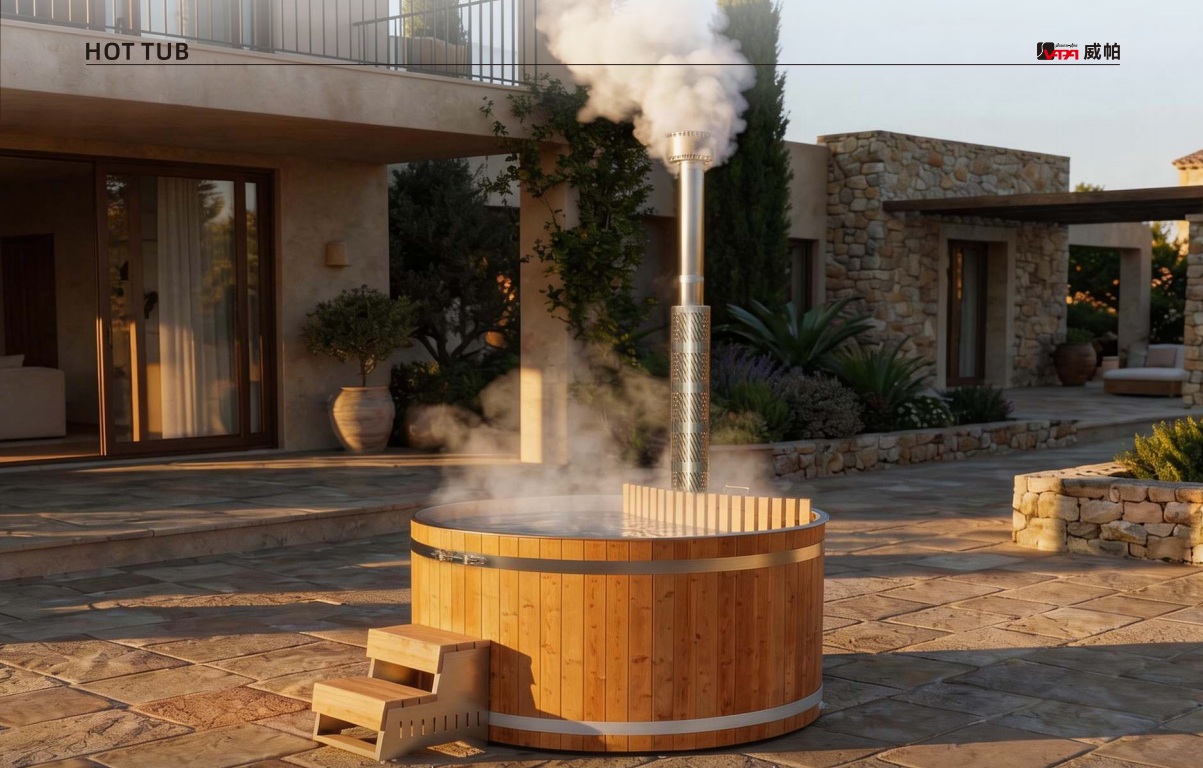
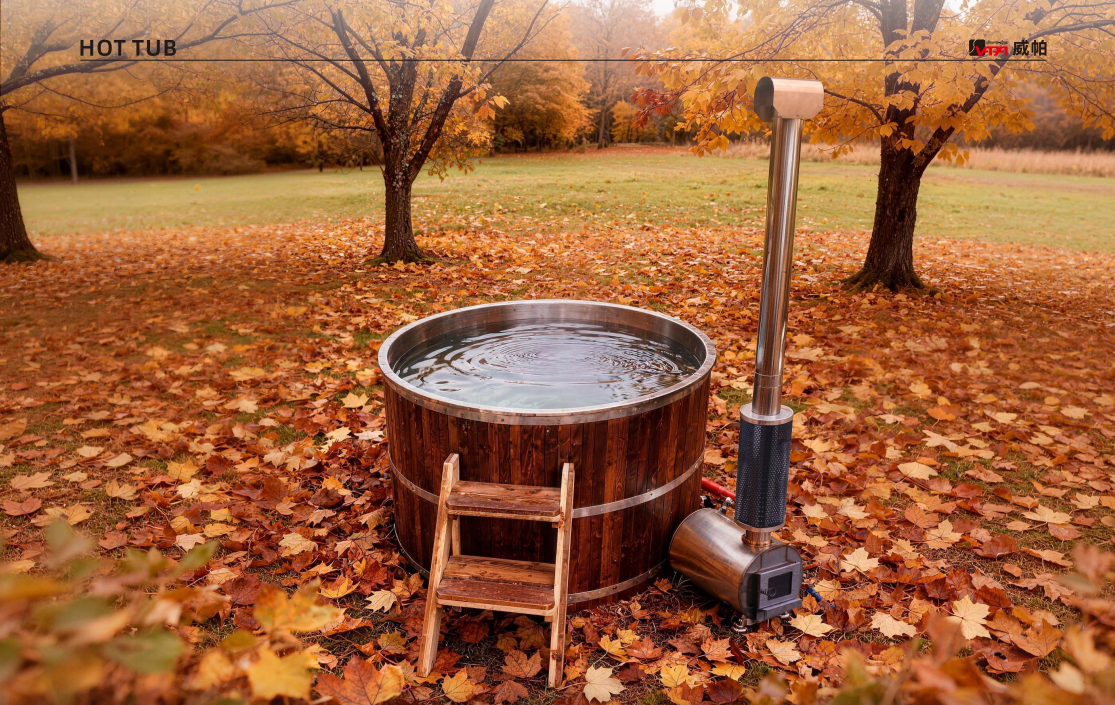
Hybrid Hot Tub vs Electric Hot Tub: A Commercial Buying Guide
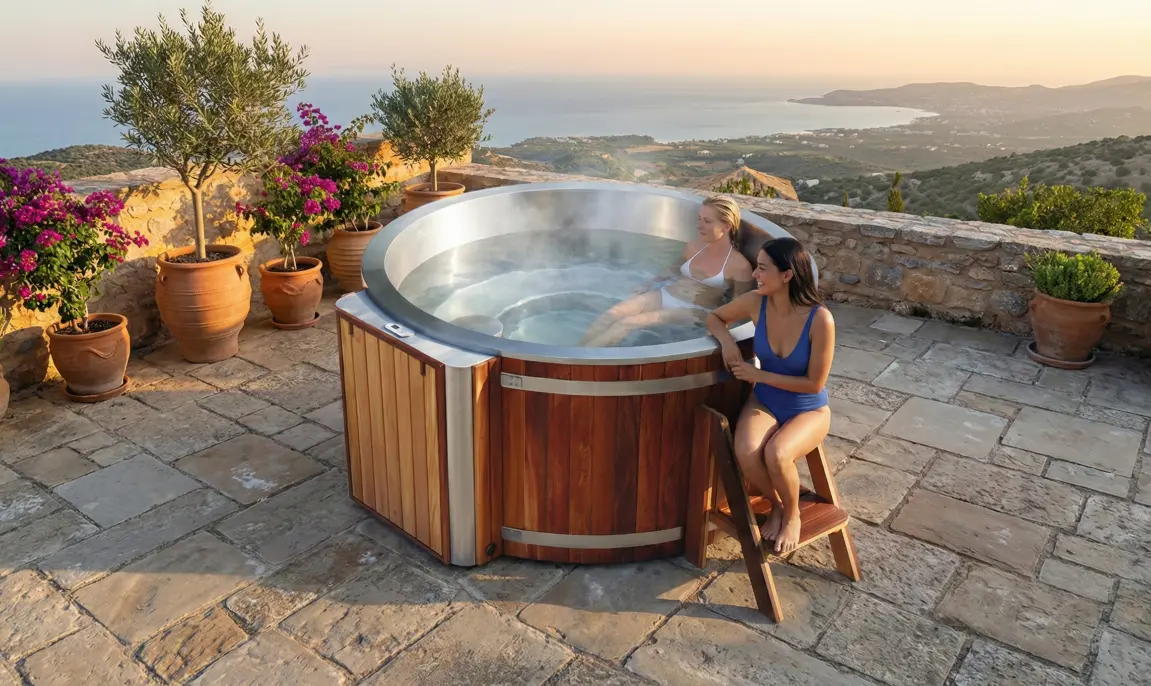
For commercial properties such as boutique hotels, resorts, vacation rentals, and outdoor campsites, a Hot Tub is more than a leisure facility. It can influence the guest experience, daily operating efficiency, maintenance workload, and long-term energy management.
Electric Hot Tubs are popular for commercial and residential applications because they are convenient to operate and do not require firewood preparation. However, when a hot tub is used frequently or holds a large volume of water, heating time and electricity consumption become important considerations.
This is why some commercial operators are comparing hybrid hot tubs with electric hot tubs. A hybrid hot tub combines wood-fired and electric heating, allowing operators to use different heating methods according to operating conditions, energy availability, and usage schedules.
For commercial projects, the question is not simply which heating method is better. The more important question is which system provides the right balance of heating flexibility, temperature control, maintenance, and operating efficiency.
What Is the Difference Between a Hybrid Hot Tub and an Electric Hot Tub?
An electric hot tub relies on an electric heating system to heat and maintain the water temperature. Because there is no need to prepare firewood, electric heating offers a straightforward operating experience and can be convenient for properties with stable electricity and moderate usage.
However, heating a large volume of water entirely with electricity can take time, particularly when the starting water temperature is low or the hot tub is used frequently.
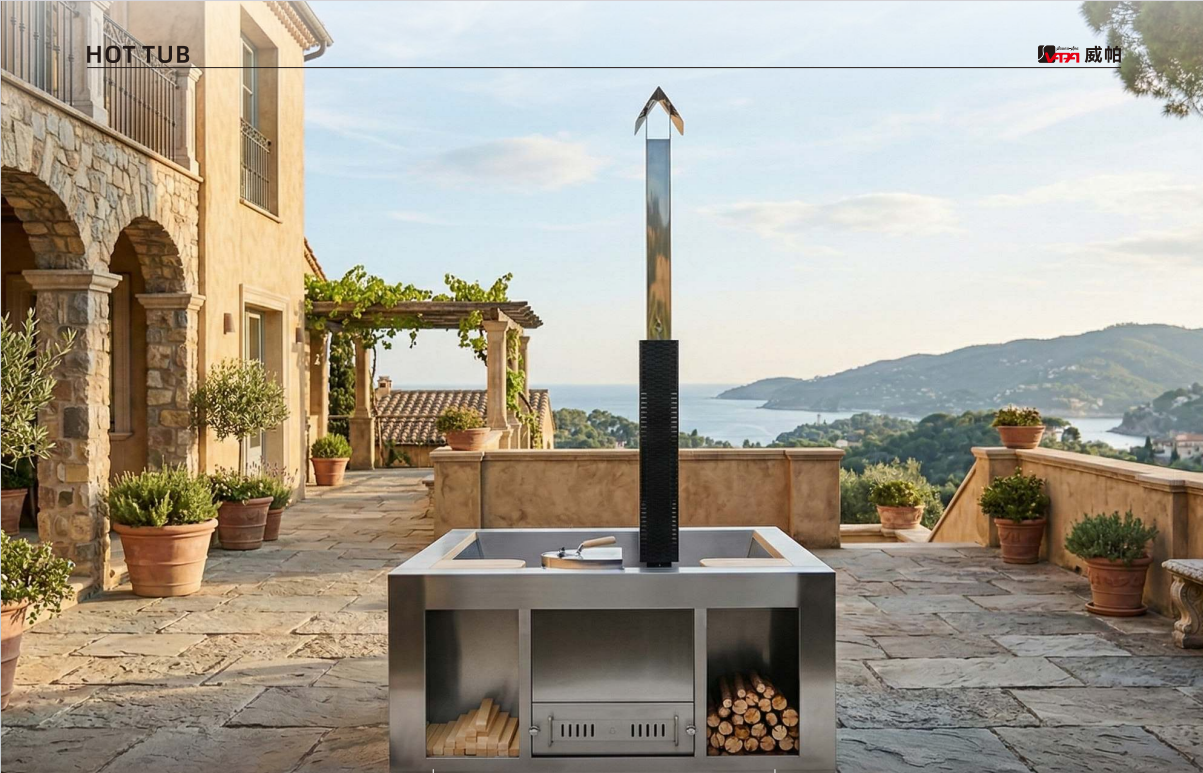
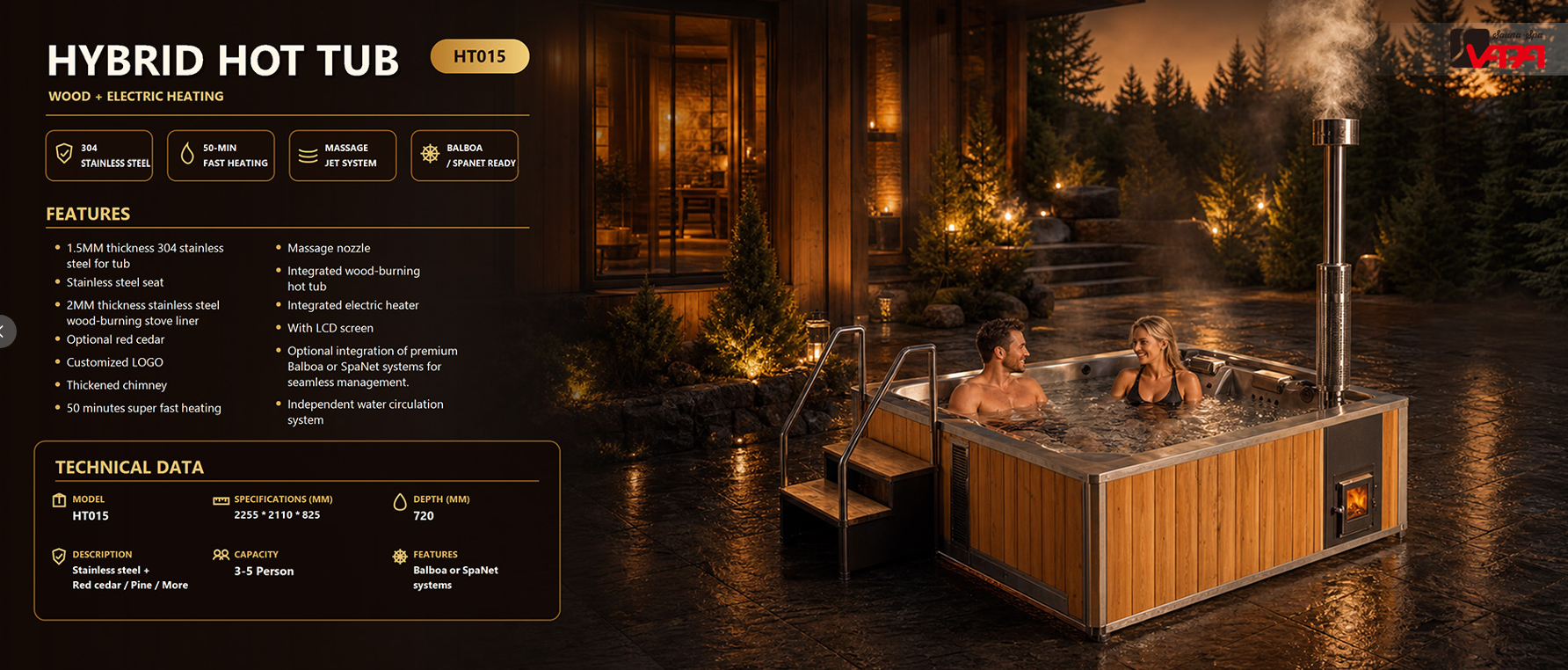
A hybrid hot tub combines wood-fired and electric heating systems in one unit. This gives operators an additional heating option when faster preheating or reduced reliance on continuous electric heating is desired.
Depending on the model and operating conditions, the wood-fired system can be used independently, while the electric heating system can be used for temperature maintenance. Both systems can also be used together when additional heating capacity is required.
This flexibility makes hybrid heating particularly interesting for commercial properties with different usage schedules and operating conditions.
For a broader comparison of hybrid and traditional hot tubs, see [Hybrid Hot Tub vs Traditional Hot Tub].
Faster Preheating Can Improve Guest Convenience
For hospitality businesses, waiting time can directly affect the guest experience.
A guest arriving at a hotel, resort, or vacation rental generally expects the hot tub to be ready for use rather than waiting several hours for cold water to reach the desired temperature.
Electric hot tubs can heat water effectively, but the actual heating time depends on factors such as heater capacity, water volume, starting water temperature, ambient temperature, insulation, and the target temperature.
A hybrid system provides another option.
When faster heating is required, the wood-fired and electric heating systems can work together, depending on the specific model and operating conditions. Under suitable conditions, a Vapasauna hybrid hot tub can reach a comfortable soaking temperature in approximately 40 minutes.
Once the target temperature is reached, the wood-fired system can be stopped while the electric heating system and thermostat help maintain the desired water temperature.
This approach can reduce the need for continuous fire management while giving operators more flexibility during periods of high demand.
For more information about factors that influence hot tub heating speed, see [Why Is My Hot Tub Heating So Slowly?].
Energy Flexibility Matters for Commercial Operations
Energy management is another important consideration for Commercial Hot Tub projects.
An electric hot tub relies entirely on electricity for heating and temperature maintenance. For properties with stable electricity and moderate usage, this can be a convenient solution.
However, high-frequency operation, larger water volumes, seasonal demand, and local electricity prices can all affect operating costs.
A hybrid hot tub provides an additional energy option.
Operators can use wood-fired heating when appropriate and use electric heating for temperature maintenance. In situations where additional heating capacity is needed, both systems can be used together.
This does not mean that every hybrid hot tub will automatically cost less to operate than an electric model. Actual energy costs depend on electricity prices, firewood costs, usage frequency, water volume, insulation, and operating practices.
Instead, the main advantage is greater flexibility in how energy is used.
For commercial operators, this flexibility can make it easier to adapt heating strategies to different seasons, occupancy levels, and operating schedules.
If your project is comparing different hybrid heating configurations, our [Hybrid Hot Tub vs Wood-Fired Hot Tub] guide provides a closer look at the advantages and limitations of wood-fired heating.
Temperature Control for High-Frequency Use
Heating the water is only one part of commercial hot tub management. Maintaining a consistent temperature between guest sessions is equally important.
With an electric hot tub, the heating system can automatically maintain the preset temperature, making it convenient for properties where the hot tub needs to remain ready for use.
A hybrid system adds another option.
After the initial heating stage, the electric heating system and built-in thermostat can help maintain the target temperature. This means operators can stop the wood-fired heating system after the water reaches the desired temperature instead of continuously monitoring the fire.
Vapasauna hybrid hot tubs are designed around this combination of heating flexibility and temperature control, making them suitable for properties where the hot tub may need to be available at different times throughout the day.
304 Stainless Steel for Commercial Outdoor Use
Commercial Hot Tubs are exposed to frequent use and, in outdoor environments, changing weather conditions. Material durability is therefore an important consideration.
Vapasauna hybrid hot tubs use 304 brushed stainless steel for the main tub structure. Stainless steel provides good resistance to corrosion and oxidation and does not have the same cracking or rotting concerns associated with some wooden structures.
However, no material is maintenance-free. Regular cleaning, appropriate water treatment, and routine inspection are still necessary to keep the hot tub operating properly over the long term.
The system can also include filtration, circulation, and sanitization functions to support routine water management.
For commercial properties, these systems can help simplify regular maintenance and support consistent water quality between guest uses.
Water Management and Routine Maintenance
Frequent guest use places greater demands on water quality management.
A commercial hot tub may need regular water testing, filtration, circulation, sanitization, cleaning, and water replacement.
A complete water management system can help reduce the amount of manual work required during daily operation.
Depending on the model, hybrid hot tubs can include:
- Filtration systems
- Water circulation
- Sanitization systems
- Convenient drainage
- Temperature control
- Massage jets
- LED lighting
- Waterfall features
These functions are particularly useful for hospitality businesses that want to combine wellness facilities with a more attractive outdoor guest environment.
Which Commercial Projects Can Benefit from Hybrid Hot Tubs?
Different commercial properties have different operating requirements.
Boutique Hotels and Vacation Rentals
For boutique hotels and vacation rentals, guest convenience is often a priority.
A hybrid hot tub gives operators more flexibility when preparing the hot tub for new guests. Faster preheating can be useful when the hot tub needs to be prepared within a limited time window.
Resorts and Leisure Properties
Resorts may have multiple hot tubs operating throughout the day.
In these environments, flexible heating options can help operators adapt to changing guest demand, weather conditions, and operating schedules.
Outdoor Campsites
Outdoor campsites may have different levels of electricity availability.
A hybrid system that can use wood-fired heating independently, depending on the model, can provide an alternative heating method for locations where electric capacity is limited.
High-End Private Properties
Hybrid hot tubs can also be used in high-end residential outdoor spaces.
Features such as massage jets, LED lighting, and waterfall effects can turn the hot tub into a more complete outdoor wellness and entertainment area.
Hybrid Hot Tub vs Electric Hot Tub: Quick Comparison
| Feature | Hybrid Hot Tub | Electric Hot Tub |
|---|---|---|
| Electric heating | Yes | Yes |
| Wood-fired heating | Yes | No |
| Dual heating options | Yes | No |
| Electric temperature maintenance | Yes | Yes |
| Wood-only operation | Depending on model | No |
| Heating flexibility | High | Moderate |
| Firewood preparation | Optional | Not required |
| Suitable for commercial use | Yes | Yes |
| Energy options | Electricity + wood | Electricity |
| Temperature control | Yes | Yes |
| Commercial application | Hotels, resorts, rentals, campsites | Homes and commercial properties |
How Should Commercial Buyers Choose?
There is no single hot tub solution that is ideal for every commercial project.
An electric hot tub may be a practical choice when:
- Electricity is stable and readily available
- The property has moderate hot tub usage
- Simple operation is the priority
- Operators do not want to manage firewood
A hybrid hot tub may be worth considering when:
- The property has high-frequency hot tub usage
- Faster preheating is important
- Operators want more than one heating option
- Electricity availability or costs vary
- The property wants greater flexibility in heating management
- Wood-fired heating is part of the desired guest experience
The final decision should consider water volume, heater capacity, electricity and firewood costs, local climate, insulation, expected usage frequency, and available maintenance resources.
Why Consider a Hybrid Hot Tub for Commercial Projects?
For commercial properties, the biggest advantage of a hybrid hot tub is not simply that it uses two heating technologies.
It is the flexibility created by combining them.
Electric heating can provide convenient temperature maintenance, while wood-fired heating can provide an additional heat source when required. Depending on the model, both systems can also work together during the initial heating stage.
This gives hotels, resorts, vacation rentals, campsites, and other outdoor leisure businesses more options when managing their hot tubs.
Vapasauna combines this dual-heating concept with 304 stainless steel construction, temperature-control technology, and water management features to create hybrid hot tub solutions for residential and commercial applications.
For projects looking for a hot tub that combines the traditional character of wood-fired heating with the convenience of electric temperature control, a hybrid system can provide a flexible alternative to an electric-only solution.