

How Long Should You Stay in a Cold Plunge? A Complete Time Guide for Beginners, Athletes and Long-Term Users
Cold plunging is often presented as a simple question: How long should you stay in a cold plunge? But there is no single number that works for everyone.
A three-minute session and a ten-minute session can create very different experiences, especially when water temperature, individual tolerance, and the purpose of the session change.
For people building a regular cold-water routine, the goal is not to stay in the water for as long as possible. It is to find a duration that can be used consistently and comfortably as part of a broader wellness routine. Vapasauna focuses on making cold-plunge use easier to control and repeat, helping users build a more practical routine rather than simply chasing colder temperatures or longer sessions.
Is There a Universal Cold Plunge Time?
There is no universal cold-plunge duration.
The appropriate time depends on several factors, including:
- Water temperature
- Individual cold tolerance
- Previous cold-water experience
- Whether the session follows exercise
- How frequently the person uses cold exposure
- Personal comfort and response
This means that saying “everyone should stay in a cold plunge for exactly five minutes” is too simplistic.
A beginner may find a short session challenging, while someone who regularly uses cold water may tolerate the same temperature for longer. The important point is that duration should be considered together with water temperature and individual response.
Instead of asking only “How long should I stay?”, a better question is:
“What duration makes sense for my current experience, water temperature, and purpose?”
How Long Should Beginners Stay in a Cold Plunge?
For beginners, shorter sessions are generally a more practical starting point than immediately trying to stay in cold water for a long period.
Cold water can feel intense when the body has not yet adapted to the sensation. A first session does not need to become a test of endurance.
A practical approach is to:
- Start with a relatively short exposure.
- Pay attention to how your body responds.
- Exit the water when the session becomes excessively uncomfortable.
- Gradually build familiarity over multiple sessions rather than extending the first session aggressively.
The goal of early sessions is adaptation and consistency, not maximum duration.
For example, someone who finds a short session manageable may gradually experiment with longer sessions as they become more familiar with cold exposure. There is no requirement to reach a particular number of minutes simply because another user does.
This gradual approach also makes it easier to understand how temperature affects personal tolerance.
How Long Should You Stay in a Cold Plunge After Exercise?
Cold plunges are commonly incorporated into post-exercise routines, particularly by athletes and physically active users.
However, the ideal duration can vary depending on the type and intensity of exercise, the user's experience, and the overall training routine.
Instead of treating cold exposure as another endurance challenge after exercise, users can treat it as a short, controlled part of their recovery routine.
For active users, consistency may be more useful than simply extending each session.
For example, one person may prefer a shorter cold plunge after a demanding training session, while another experienced user may be comfortable with a somewhat longer exposure. The key is to consider the session as part of the overall routine rather than looking at duration in isolation.
This is particularly relevant for people who train frequently. A routine that is easy to repeat may be more practical than one that requires an unusually long or uncomfortable session.
Does Colder Water Mean You Should Stay Longer?
No.
Water temperature and duration should not be treated as separate variables.
When the water becomes colder, the experience can become more intense. That does not mean users should compensate by staying in the water longer.
In fact, the opposite approach may make more sense: as water temperature becomes more challenging, session duration may need to remain shorter depending on the user's experience and response.
This is one reason temperature control is important for people who want to establish a repeatable routine.
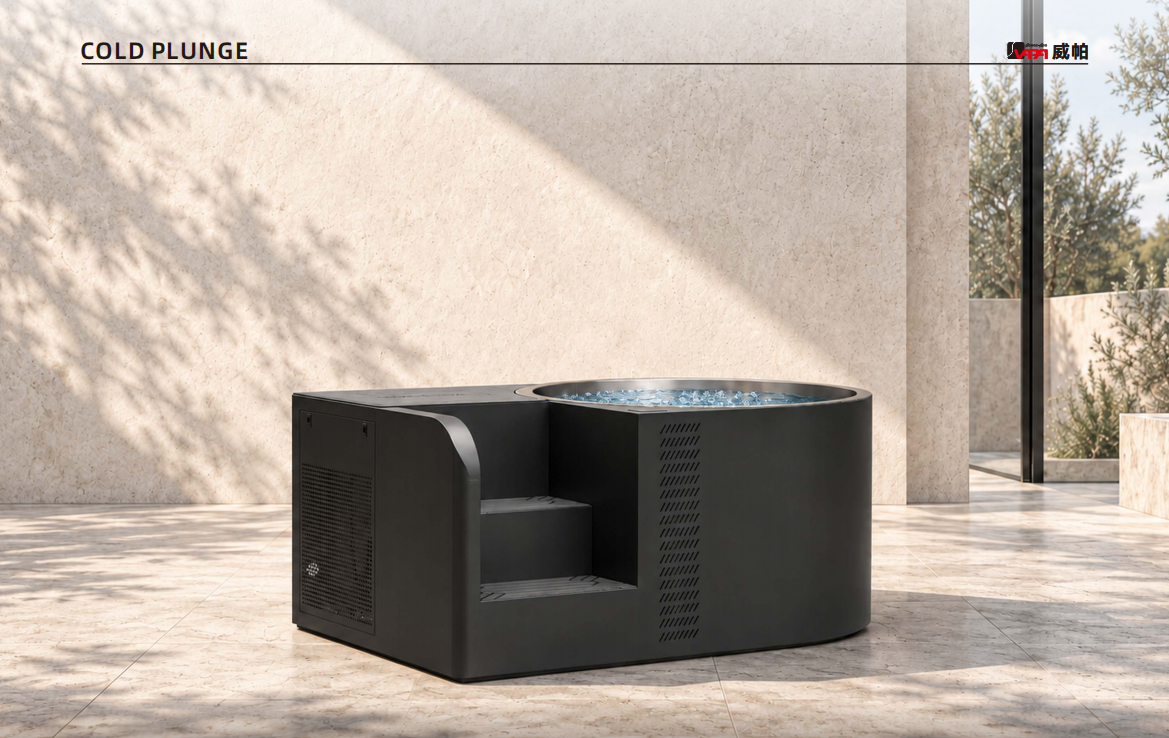
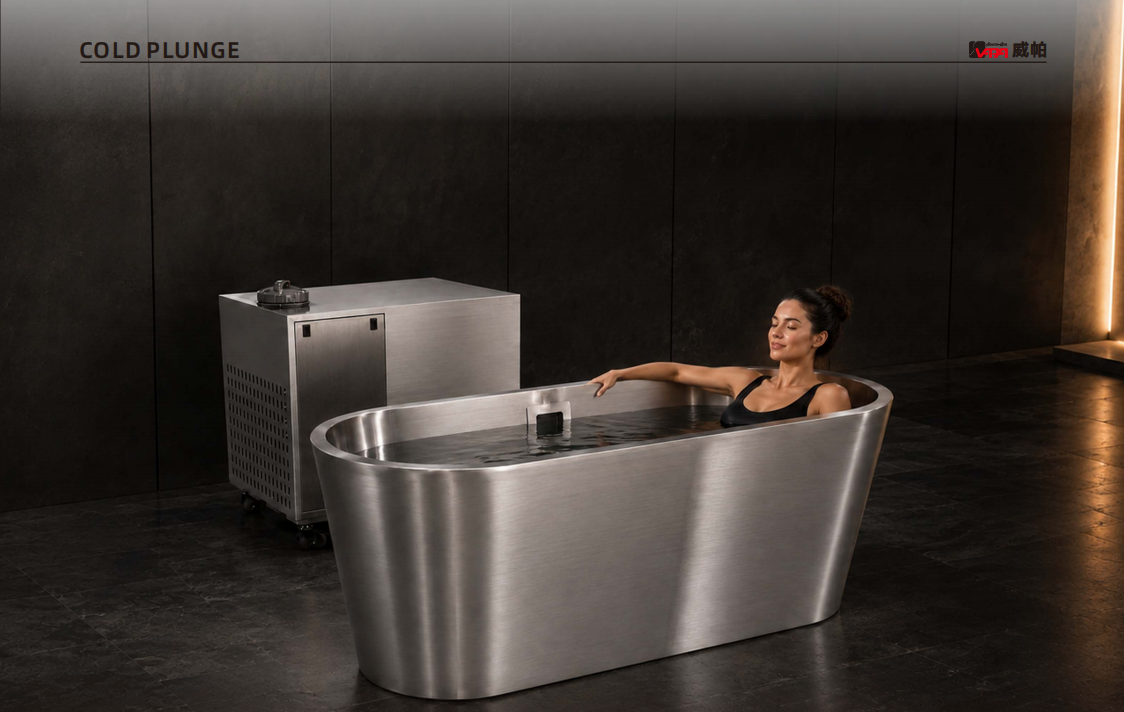
A temperature-controlled cold plunge allows users to work with a defined water temperature instead of relying on bags of ice or constantly changing outdoor conditions.
Systems developed by Vapasauna, for example, are designed around controlled-temperature cold-plunge use, allowing users to set a target temperature and maintain a more consistent environment from session to session.
That consistency makes it easier to understand how a particular duration feels over time.
Should Your Cold-Plunge Duration Change as You Gain Experience?
It can.
As users become more familiar with cold exposure, their perception of the same temperature and duration may change.
A session that initially feels very intense may become more manageable with regular practice. However, becoming more experienced does not mean that every session should automatically become longer.
Instead, experienced users can adjust their routine according to their goals and circumstances.
For example:
- Shorter sessions may suit a busy morning routine.
- Moderate sessions may fit into a post-training routine.
- Longer exposure may be appropriate for some experienced users, but it is not automatically better.
- A particularly cold session does not necessarily need to last as long as a milder one.
This creates an important distinction:
Experience gives you more flexibility, not an obligation to increase duration.
Should You Cold Plunge Every Day?
There is no universal requirement to use a cold plunge every day.
Some people may prefer regular use as part of their wellness routine, while others may use cold exposure only after certain workouts or on selected days.
The more important consideration is whether the routine is sustainable.
If every session becomes a challenge involving extremely cold water and long exposure times, it may become difficult to maintain over the long term.
On the other hand, a manageable routine can be easier to repeat.
For Vapasauna, long-term usability is an important part of cold-plunge design. A cold plunge should fit into the user's lifestyle rather than becoming another demanding task that requires excessive preparation every time.
This is especially relevant for home users who want convenient access to cold-water sessions and commercial wellness businesses that need a system suitable for repeated customer use.
What Happens If You Stay in a Cold Plunge Too Long?
Longer exposure is not automatically more beneficial.
As cold exposure continues, discomfort can increase, and the body may react strongly to the cold environment. Staying in simply because “longer must be better” can turn a controlled wellness session into an unnecessarily difficult experience.
Users should pay attention to their body's response rather than focusing only on the timer.
If the experience becomes excessively uncomfortable, the session should end.
This is also why beginners should not compare their duration with experienced cold-plunge users. Two people can use the same water temperature but have very different levels of tolerance and experience.
The purpose of a cold plunge routine should be controlled exposure, not a competition.
How Temperature and Duration Work Together
Think of temperature and duration as two sides of the same equation.
A simple example:
| Water Temperature | Session Approach |
|---|---|
| Mildly cold | May feel easier to tolerate for a longer period |
| Moderately cold | A shorter, controlled session may be practical |
| Very cold | Greater intensity may require shorter exposure |
| Changing temperature | Difficult to compare sessions consistently |
| Stable temperature | Easier to establish and repeat a routine |
The table does not mean there is one correct duration for each temperature. Individual tolerance and circumstances still matter.
Instead, it illustrates an important principle:
You cannot determine cold-plunge duration by looking at the clock alone.
The colder the water feels, the more important it becomes to consider the user's experience and response.
Why Stable Temperature Makes Session Timing Easier
One overlooked part of cold-plunge routines is consistency.
If the water temperature changes significantly from one session to another, it becomes difficult to compare experiences.
Imagine using a tub at one temperature today, adding ice tomorrow, and relying on naturally cold water the following day. Even if each session lasts five minutes, the experiences may be completely different.
A temperature-controlled system creates a more predictable environment.
This is one area where VapaSauna Cold Plunge solutions can support a more structured routine. Instead of treating every session as a different experiment, users can establish a preferred temperature range and adjust duration gradually based on their experience.
For commercial wellness facilities, consistency can also make daily operation easier because different users can access a controlled system rather than relying on manually prepared ice water.
Cold Plunge Duration for Different Types of Users
Different users may approach session duration differently.
Beginners
The priority is becoming familiar with cold exposure.
Shorter sessions can make it easier to understand personal tolerance without turning the first experience into an endurance test.
Athletes and Active Users
The Cold Plunge can be incorporated into an existing training or recovery routine.
Rather than automatically choosing the longest possible session, users can consider how the duration fits around exercise and other recovery practices.
Experienced Cold-Plunge Users
Experienced users may have greater familiarity with cold temperatures and can adjust their sessions according to personal preference.
However, experience does not mean that longer exposure is always necessary.
Home Wellness Users
For home users, convenience and repeatability may be more important than extreme exposure.
A session that can be easily incorporated into a morning, evening, or post-workout routine may be more sustainable over time.
Commercial Wellness Facilities
Commercial operators need to consider multiple users with different levels of experience.
In this situation, controlled temperature, clear operating procedures, and a repeatable session structure can be more practical than encouraging every customer to stay in the water for the same amount of time.
How to Build a Sustainable Cold-Plunge Routine
A useful cold-plunge routine does not need to be complicated.
Start by establishing a comfortable and controllable water temperature. Then choose a manageable session duration and observe how your body responds.
Over time, you can adjust one variable at a time.
For example:
Temperature → Duration → Frequency
Changing only one factor makes it easier to understand what works for you.
Avoid changing the temperature dramatically while also doubling the session duration and increasing frequency at the same time. That makes it difficult to determine why a particular session feels different.
For long-term users, the best routine is often the one that can realistically fit into everyday life.
Final Thoughts: How Long Should You Stay in a Cold Plunge?
There is no single number of minutes that applies to everyone.
Beginners may prefer shorter sessions while they become familiar with cold exposure. Active users can integrate cold plunges into their existing routines, while experienced users may adjust duration according to their own tolerance and preferences.
Most importantly, longer does not automatically mean better.
Temperature, duration, individual experience, and consistency all matter.
For people looking to build a repeatable cold-water routine, Vapasauna provides Cold Plunge solutions designed around controlled temperature, practical operation, and long-term usability for both home wellness spaces and commercial applications.
The goal is not to see how long you can stay in cold water.
The goal is to find a routine you can use consistently.