

How Cold Should Water Be for a Cold Plunge? Finding Your Ideal Temperature
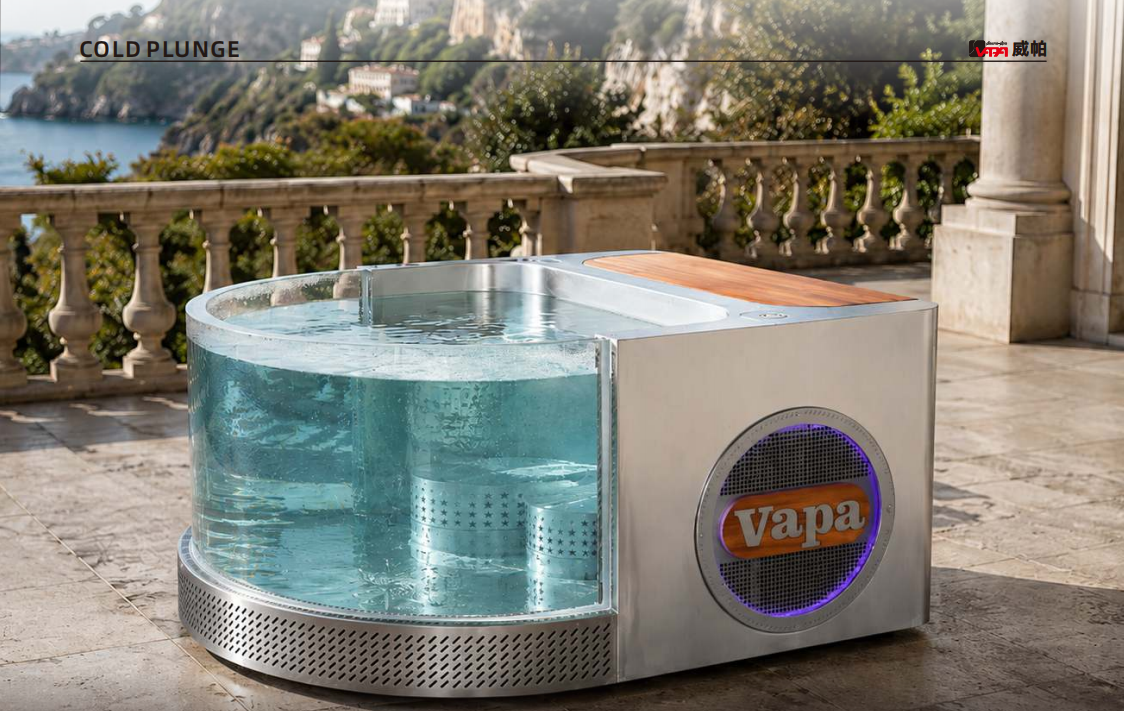
Cold plunging has become increasingly popular in modern wellness routines, athletic recovery programs, and home wellness spaces. But before stepping into a cold plunge, one question usually comes first:
How cold should a cold plunge actually be?
Should the water be 5°C, 10°C, 15°C, or even colder?
There is no single temperature that works for everyone. The right cold plunge temperature depends on your experience level, personal tolerance, session goals, and how consistently the water temperature can be maintained.
For most users, the goal should not be to reach the lowest possible temperature. Instead, a suitable temperature that can be maintained consistently is often more practical for building a sustainable cold-plunge routine.
Is There One Ideal Cold Plunge Temperature?
There is no universal “perfect” temperature for cold plunging.
Different users may prefer different temperatures depending on their experience with cold exposure and how they plan to use their cold plunge.
A first-time user may find 15°C comfortable enough to begin adapting to cold water, while a more experienced user may prefer a lower temperature.
This means that choosing a cold plunge temperature should be viewed as a gradual process rather than a competition to reach the coldest setting.
A useful approach is to start at a temperature you can tolerate comfortably, then gradually adjust it as you become more familiar with cold exposure.
Colder does not automatically mean better.
The most useful temperature is one that allows you to maintain a consistent routine without turning every session into an extreme challenge.
What Is a Good Cold Plunge Temperature for Beginners?
For beginners, 15°C to 18°C can be a practical starting range.
This relatively moderate temperature allows new users to become familiar with the sensation of cold water without immediately starting at an extremely low temperature.
During the first few sessions, the priority should be learning how your body responds rather than trying to stay in the water for as long as possible.
Once you become more comfortable, you can gradually adjust the temperature according to your personal tolerance.
A temperature-controlled cold plunge makes this process easier because you can select a specific temperature instead of relying on manually added ice.
For users who are new to cold plunging, gradual adjustment is generally more practical than sudden exposure to very cold water.
What Temperature Is Suitable for Regular Wellness Use?
For people who already have some experience with cold plunging, 12°C to 15°C can be a practical range for regular wellness routines.
This range provides a noticeable cold-water experience without necessarily requiring extremely low temperatures.
The main advantage of choosing a manageable temperature is consistency.
If the water is so cold that every session becomes difficult to tolerate, it may become harder to maintain the routine over time.
For wellness users, the question is therefore not simply:
“How cold can I go?”
A more useful question is:
“What temperature can I use consistently as part of my routine?”
This shift in mindset can make cold plunging more sustainable for long-term users.
What Cold Plunge Temperature Is Used for Athletic Recovery?
Athletes and fitness enthusiasts may choose temperatures around 10°C to 15°C, depending on their experience and individual preferences.
However, there is no need to assume that every recovery session should use the lowest possible temperature.
Cold exposure is highly individual, and the same temperature can feel very different depending on the person, the environment, and the session itself.
For this reason, athletes may benefit from having precise temperature control rather than simply adding ice until the water “feels cold enough.”
A controlled system allows users to repeat sessions at a similar temperature, making it easier to develop a consistent routine.
For those interested specifically in session duration, our guide “How Long Should You Stay in a Cold Plunge?” provides a separate discussion of how temperature and exposure time can be considered together.
How Cold Is Too Cold for a Cold Plunge?
Experienced cold-plunge users sometimes prefer temperatures below 10°C, including 5°C to 10°C.
However, lower temperatures should not automatically be treated as a better choice.
As water temperature decreases, cold exposure becomes more intense. Users who are not accustomed to cold water may find very low temperatures significantly more uncomfortable.
For beginners, there is usually little reason to start with extremely cold water simply because a Cold Plunge System can reach that temperature.
A more sustainable approach is to begin with a manageable temperature and adjust gradually according to personal tolerance.
People with specific health concerns should consult a qualified healthcare professional before beginning cold-exposure practices.
Does Colder Water Mean Better Results?
Not necessarily.
One of the most common misconceptions about cold plunging is that the colder the water becomes, the better the experience must be.
In reality, temperature is only one part of a cold-plunge routine.
A temperature that is too low may make a session unnecessarily difficult, particularly for inexperienced users.
By contrast, a moderate temperature that can be used consistently may be easier to incorporate into a regular wellness routine.
This is why experienced users often focus not only on temperature, but also on consistency, comfort, and repeatability.
The goal is not to win a competition against the cold.
The goal is to create a cold-plunge routine that you can realistically maintain.
Why Does Temperature Stability Matter?
Choosing a target temperature is only useful if the water can actually stay close to that temperature during the session.
Traditional Ice Baths often rely on adding ice manually. The final temperature can therefore depend on:
- The amount of ice added
- Starting water temperature
- Ambient conditions
- How quickly the ice melts
- The volume of water
As the ice melts, the water temperature can gradually change.
This means that two sessions may start with different temperatures even when the user follows the same basic process.
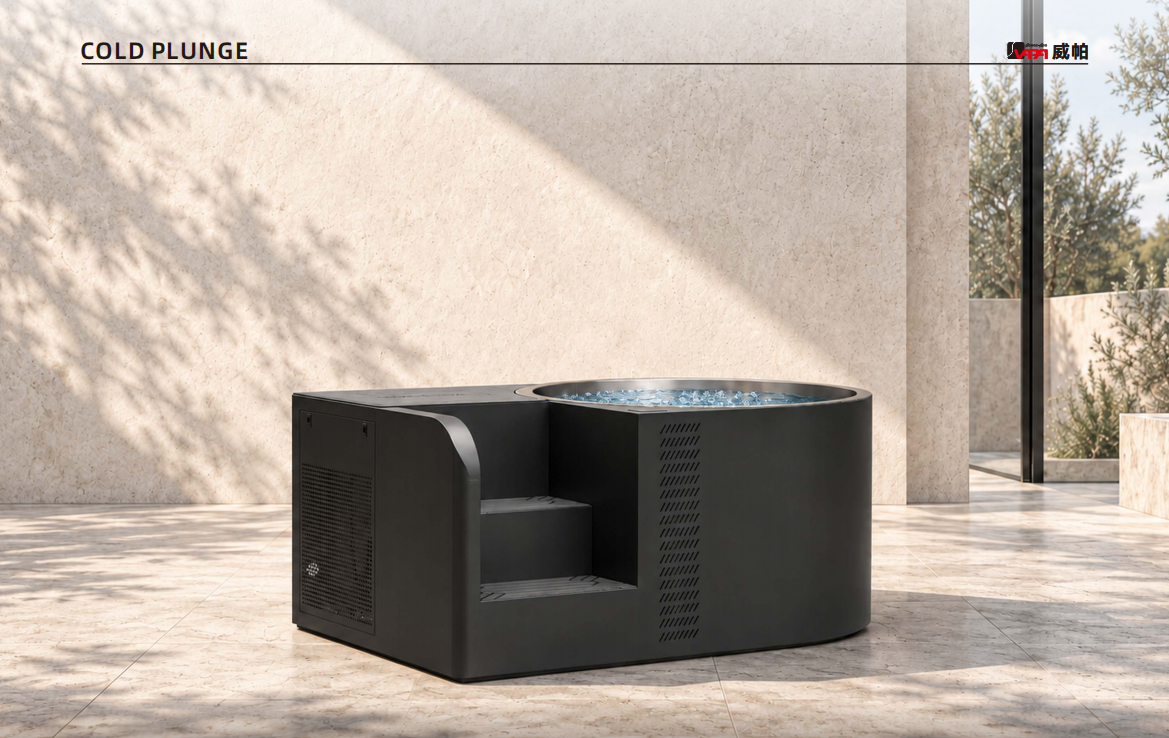
A temperature-controlled cold plunge provides a more consistent alternative.
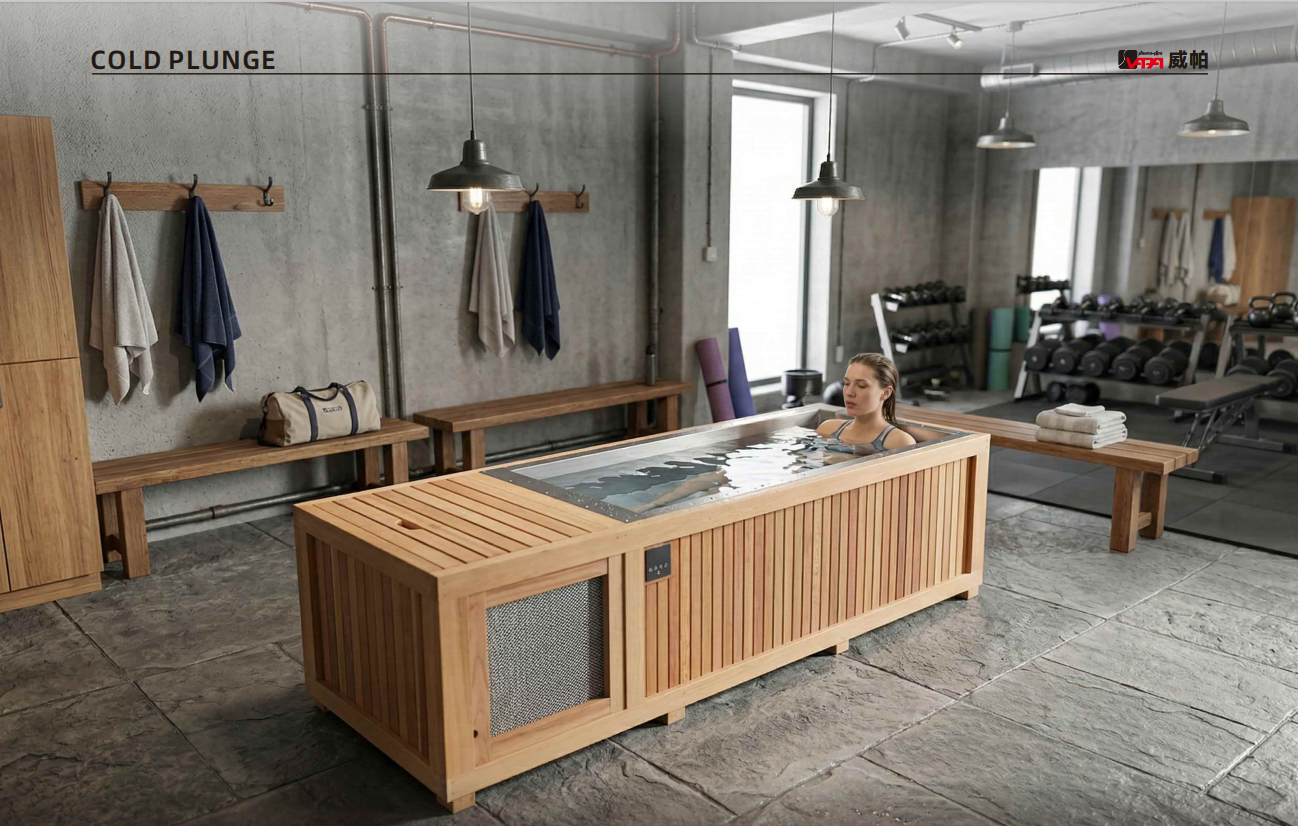
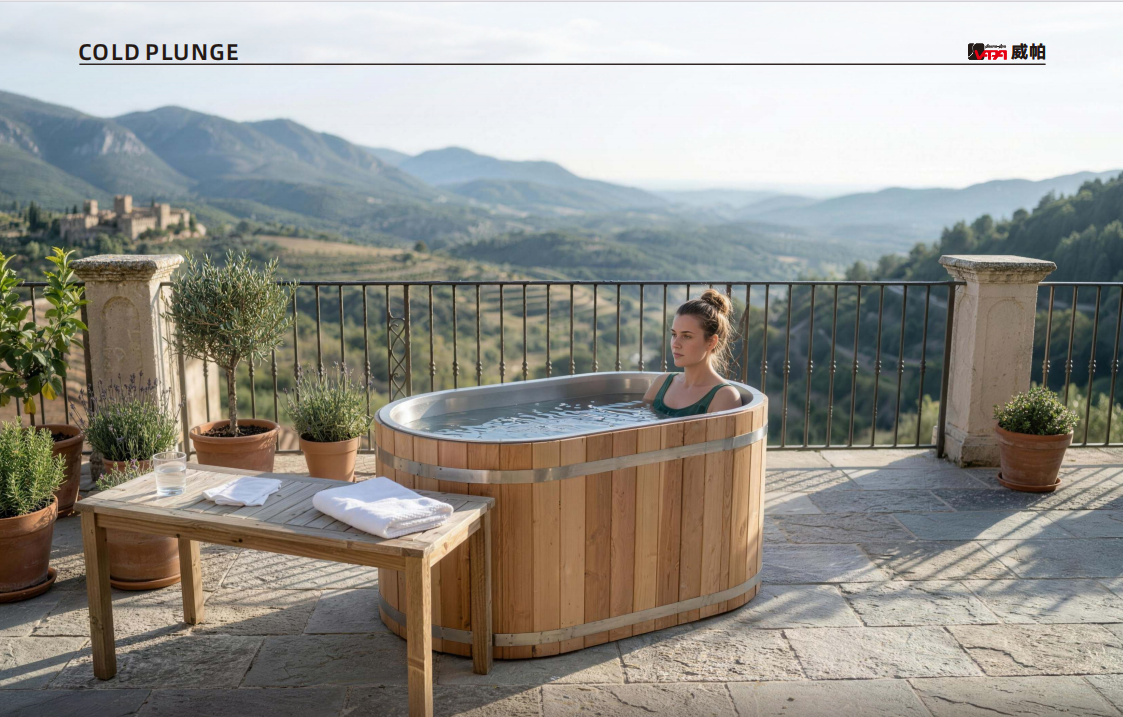
For example, systems developed by Vapasauna are designed around controlled temperature operation, allowing users to select a target temperature rather than estimating the water temperature manually with ice.
For regular users, this consistency can make it easier to repeat a similar cold-plunge routine from one session to the next.
How Should You Adjust Your Cold Plunge Temperature Over Time?
There is no need to reduce the temperature every time you use your cold plunge.
Instead, think of temperature adjustment as a gradual process.
Starting Stage
Begin with a moderate temperature that you can tolerate comfortably.
Adaptation Stage
Once you become familiar with the sensation of cold water, you can experiment with slightly lower temperatures if desired.
Long-Term Stage
Choose a temperature that fits your routine and personal tolerance rather than continuously trying to reach a lower number.
For some users, 15°C may remain a comfortable long-term temperature.
Others may eventually prefer 10°C or below.
There is no requirement for every user to reach the same temperature.
How Does Temperature Work Together With Session Duration?
Temperature and exposure time should be considered together.
A lower temperature generally creates a more intense cold experience, so users should not assume that a colder setting means they should stay in the water longer.
For example, a user may choose a moderate temperature for a longer, manageable session, while a lower temperature may be used for a shorter exposure.
This is another reason why cold plunging should not be approached as a simple “colder is better” formula.
If you are building a routine, consider both:
Water temperature + session duration
rather than focusing on either number alone.
Why Consistent Temperature Can Make Cold Plunging Easier
Consistency is one of the most overlooked aspects of cold plunging.
If the temperature changes significantly between sessions, it can become difficult to understand how your body responds to different conditions.
A controlled temperature allows users to establish a more repeatable routine.
For Vapasauna, temperature control is an important part of designing practical Cold Plunge solutions for home wellness spaces and commercial environments.
Instead of encouraging users to chase extreme temperatures, the focus is on making cold plunging easier to control and repeat.
This can be particularly useful for gyms, recovery studios, spas, hotels, and other wellness spaces where equipment may be used frequently.
How Often Should You Change Your Cold Plunge Temperature?
You do not necessarily need to change your temperature frequently.
If you have found a temperature that feels manageable and fits your routine, keeping it consistent can make your sessions easier to repeat.
You might adjust the temperature when:
- You are becoming more experienced with cold exposure
- Your personal tolerance changes
- You want to experiment with a different routine
- Environmental conditions change
- You are using The Cold Plunge for a different purpose
However, there is no need to lower the temperature simply because you have been using the cold plunge for a longer period.
Experience does not automatically mean you need colder water.
Cold Plunge Temperature Guide at a Glance
| User Type | Suggested Temperature Range |
|---|---|
| Beginners | 15–18°C |
| Regular Wellness Users | 12–15°C |
| Athletic / Recovery Users | 10–15°C |
| Experienced Users | 5–10°C |
These ranges are general reference points rather than universal rules. Individual tolerance can vary significantly, so users should adjust gradually and avoid treating a specific temperature as a requirement.
What Should You Look for in a Temperature-Controlled Cold Plunge?
If temperature consistency is important to your routine, the cold plunge system should allow you to control and maintain your desired temperature reliably.
Rather than focusing only on the lowest temperature a unit can reach, consider whether the system makes it practical to use the same temperature repeatedly.
This is particularly important for users who plan to use a cold plunge frequently.
A well-designed system should make temperature adjustment straightforward and allow users to focus on their routine rather than manually managing ice for every session.
Vapasauna develops Cold Plunge solutions for both residential and commercial wellness applications, with an emphasis on controlled temperature operation and practical long-term use.
Frequently Asked Questions About Cold Plunge Temperature
What is the best temperature for a cold plunge?
There is no single best temperature for everyone. Beginners may start around 15–18°C, while more experienced users may prefer lower temperatures.
The most suitable temperature is one that matches your experience and can be used consistently.
Is 10°C too cold for a beginner?
10°C can feel quite intense for someone who is new to cold exposure. Beginners may prefer starting at a higher temperature and gradually adjusting as they become more comfortable.
Is 5°C better than 15°C?
Not necessarily.
A lower temperature creates a more intense cold experience, but that does not automatically make it more suitable for every user.
Can I use the same temperature every time?
Yes. If a particular temperature is comfortable and suitable for your routine, maintaining a consistent setting can make your sessions easier to repeat.
Should I stay longer when the water is warmer?
Not necessarily. Temperature and session duration should be considered together. A warmer temperature does not automatically mean that a longer session is required.
Finding Your Ideal Cold Plunge Temperature
Choosing the right cold plunge temperature is less about finding the lowest number and more about finding a temperature that works for you.
Beginners may start around 15–18°C, regular wellness users may prefer 12–15°C, while experienced users may gradually explore lower temperatures.
The most important principle is consistency.
A stable temperature makes it easier to understand your routine, adjust gradually, and repeat sessions under similar conditions.
That is why a temperature-controlled cold plunge can offer a more practical experience than relying entirely on manually added ice.
Vapasauna provides Cold Plunge solutions designed for users and wellness businesses looking for controlled temperature operation and repeatable cold-water routines.
The ideal temperature is not necessarily the coldest one.
It is the temperature you can use safely, comfortably, and consistently.