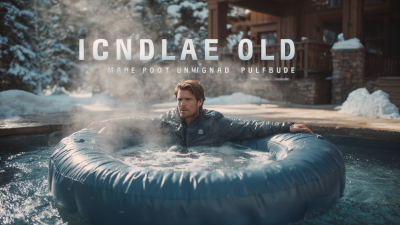
Stainless Steel Hot Tubs are an option for residential wellness spaces, outdoor hospitality projects, spas and other commercial applications. Their appeal comes from a combination of a modern appearance, durable construction and the flexibility to combine different heating systems, exterior finishes and seating configurations.
However, not every stainless steel hot tub is designed for the same purpose. A private outdoor tub may have different requirements from a hotel installation or a commercial wellness project. Buyers need to consider the complete product, including its structure, heating system, insulation, capacity, installation requirements and long-term service needs.
As a sauna and Hot Tub Equipment manufacturer, Vapasauna offers products for different project requirements. This guide explains the main design considerations and configurations buyers should evaluate when selecting a stainless steel hot tub for home or commercial use.
.
Why Stainless Steel Hot Tubs Suit Modern Wellness Spaces
Stainless steel hot tubs combine a practical bathing function with a contemporary appearance. Depending on the design, the stainless steel may form the internal water-contact surface, the external body or other structural components. Understanding which parts use stainless steel is therefore an important first step when comparing products.
Stainless steel is valued for its corrosion resistance, strength and smooth surface. Its performance, however, depends on the specific grade, fabrication quality, water chemistry, cleaning methods and operating environment. It should not be treated as completely corrosion-proof or maintenance-free.
For residential applications, buyers may prioritize appearance, seating comfort, ease of use and the available installation space. Hotels, spas and other commercial operators may place greater emphasis on capacity, operating requirements, service access and consistency between product units.
The exterior can also influence the overall design. A stainless steel interior paired with a timber exterior creates a different visual effect from an all-metal construction. These differences allow buyers to coordinate the hot tub with outdoor decking, garden layouts, contemporary architecture or dedicated wellness areas.
When exploring Vapasauna's hot tub collection, buyers can compare available product designs and identify configurations that match their intended application.
The most suitable stainless steel hot tub is not necessarily the one with the most elaborate appearance. It is the one whose construction, capacity and operating requirements fit the space and the people who will use it.
Stainless Steel Construction, Finishes and Design Considerations
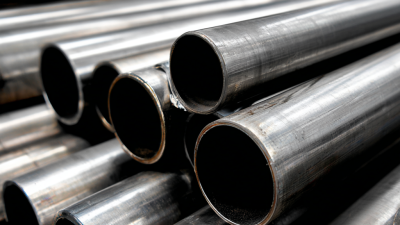
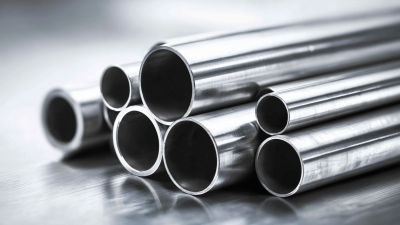
The term "stainless steel hot tub" does not describe a single construction method. Some products feature a stainless steel liner combined with an exterior made from wood or another material, while others use a more extensively metal-based design.
Before purchasing, buyers should confirm the material used for each major component. Relevant questions include the stainless steel grade, liner thickness where applicable, exterior material, structural support, connection details and finish.
Material selection should reflect the intended environment and water conditions. For example, the suitability of a particular stainless steel grade depends on exposure conditions and water chemistry. Buyers should confirm the manufacturer's material recommendations rather than assume that every stainless steel grade will perform equally in every installation.
Surface finishing is another consideration. A polished surface creates a different appearance from a brushed finish, while an exterior timber finish can soften the visual contrast between metal and the surrounding landscape. Buyers should also ask about edge finishing, weld quality, visible joints and the inspection procedures used during manufacturing.
For commercial projects, it is useful to request drawings or product photographs that show more than the finished exterior. Information about the liner, supporting structure, drainage connections and service access can help buyers understand how the product is assembled and maintained.
A well-documented specification should identify the materials and finish of each relevant component. This makes it easier to compare suppliers and reduces the risk of receiving a product that looks similar to the reference image but differs from the agreed construction.
Heating Systems, Temperature Control and Insulation
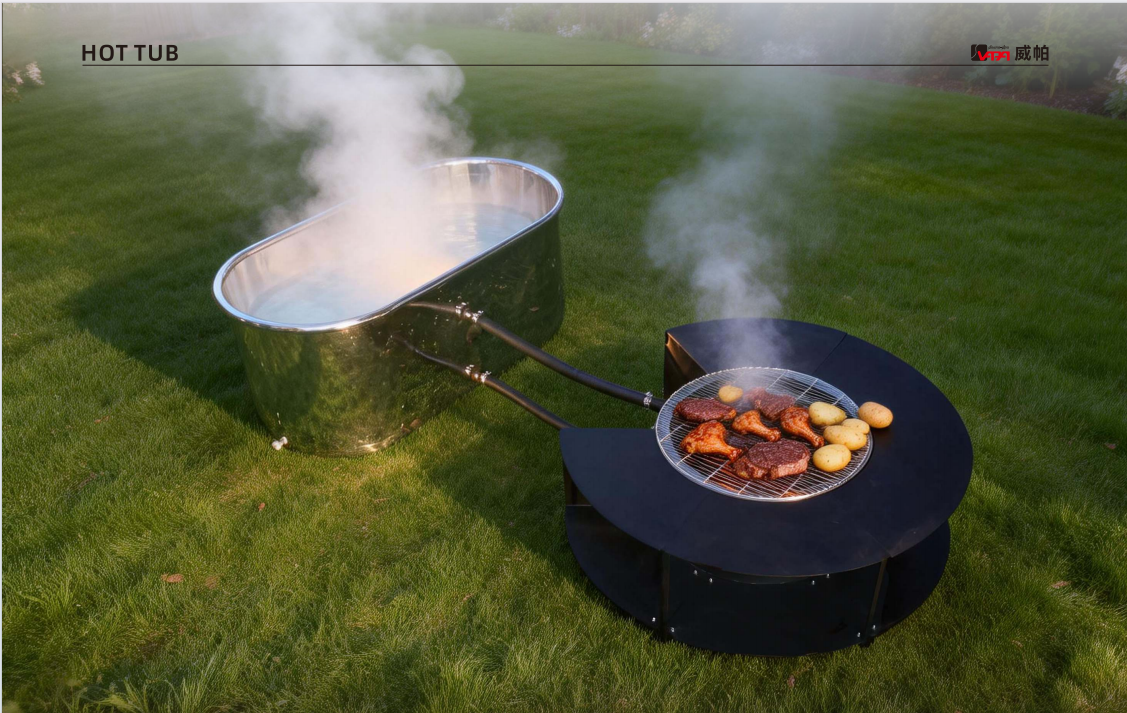
Heating configuration is one of the most important decisions when selecting a stainless steel hot tub. Common options include wood-fired heating, electric heating and designs that combine more than one heating method. Each option has different installation requirements and operating considerations.
A wood-fired model may suit an outdoor setting where the project allows for a suitable firebox, chimney arrangement, fuel storage and safe clearances. Buyers should confirm the manufacturer's installation instructions, ventilation requirements and local restrictions before choosing this configuration.
An electric model may offer a different operating experience, with controls and electrical components determined by the specific design. Buyers should confirm the required power supply, heater capacity, control interface and access needed for installation and servicing.
Hybrid configurations may combine heating methods or control systems, but the exact arrangement varies by product. The quotation and technical documentation should make clear which heating components are included and how they operate together.
It is equally important to distinguish heat transfer from heat retention. Stainless steel itself should not be treated as an insulating material. A hot tub's ability to maintain water temperature depends on factors such as insulation, cover design, water volume, heating capacity, ambient conditions and the overall construction.
When comparing models, ask the supplier for the relevant insulation details, heater specifications and operating instructions. If a supplier quotes a heating time or energy-saving figure, confirm the conditions under which that figure was measured. Water volume, starting temperature, ambient temperature and heating method can all affect the result.
For project buyers, a clearly specified heating and insulation package is more useful than a broad promise of fast heating or low operating costs.
Choosing the Right Size and Configuration
The correct size depends on how the hot tub will be used, how many people it should accommodate and how much installation space is available. Choosing a larger model is not automatically better: it may require more water, greater heating capacity and additional space for access and maintenance.
For residential projects, key considerations include available floor or deck space, user comfort, access routes, drainage and the location of heating equipment. Outdoor installations may also need appropriate protection from weather and sufficient clearance around chimneys or other components, depending on the heating system.
For hotels, spas, fitness facilities and other commercial settings, buyers should consider expected user capacity, how the tub fits into the overall wellness layout, and whether technicians can reach components that may require inspection or servicing.
It is important to confirm both the external dimensions and the usable internal space. Product photographs can make a tub appear larger or smaller than expected, so approved drawings and dimensioned specifications are more reliable for project planning.
Configuration also affects the purchasing decision. Buyers may need to choose between different shapes, seating layouts, exterior finishes, heating methods, covers and accessories. These options should be specified individually rather than assumed to be included in a standard quotation.
For example, the Vapasauna HT001 stainless steel hot tub is listed with a 304 stainless steel liner, a red cedar exterior and wood-fired heating. It illustrates how a product can combine different materials and a particular heating arrangement within one design. Buyers should consult the actual model specifications and confirm available options before ordering.
Installation, Water Care and Long-Term Maintenance Essentials
Installation planning should begin before the product is ordered. A filled hot tub can place a substantial load on its supporting surface, so buyers should account for the tub's weight, water volume and expected occupants when planning the installation. A qualified professional should assess the supporting structure where necessary.
Drainage and service access are also important. The installation should allow water to be drained as required and provide access to pumps, heaters, connections or other components that may need attention. For outdoor projects, the location should be suitable for the selected heating system and the surrounding environment.
Electric Hot Tubs require particular attention to electrical installation and the manufacturer's safety instructions. Wood-fired units need an appropriate firebox and chimney arrangement, suitable clearances and compliance with applicable local requirements. Installation responsibilities should be agreed upon before delivery.
Water care is another part of ongoing ownership. The correct treatment procedure depends on the product design, water conditions and component materials. Buyers should follow the manufacturer's recommendations and confirm that cleaning agents and water-treatment methods are compatible with the stainless steel and any other water-contact surfaces.
Routine inspection and cleaning remain important even when a product is marketed as easy to maintain. The required care will depend on usage frequency, water quality, the surrounding environment and the equipment configuration.
For commercial operators, a written maintenance schedule and clear user instructions can help staff manage the equipment consistently. Buyers should request relevant operating manuals, cleaning guidance and service information before accepting the product.
Selecting a Stainless Steel Hot Tub Supplier for Your Project
For distributors, importers, hospitality operators and wellness businesses, choosing a supplier involves evaluating more than the finished product. Manufacturing capability, specification management, customization options and after-sales support can all affect the success of a project.
Start by comparing suppliers against the same written requirements. The quotation should clearly identify the model, dimensions, materials, heating system, insulation, included accessories, packaging and any services that are excluded.
Buyers should also ask what quality-control procedures are performed during production. Depending on the product, these may include material checks, dimensional inspection, weld and connection inspection, appropriate water-containment testing, functional checks of the supplied heating system and final inspection against the approved specification.
Where applicable, request product drawings, installation guidance, operating manuals, warranty terms and relevant compliance documentation for the destination market. Do not assume that a general product description or factory statement replaces documentation required for a particular project.
OEM and ODM buyers should clarify which elements can be customized. Options may include dimensions, external finishes, branding, accessory packages or selected equipment configurations, depending on the manufacturer's actual capabilities. Confirm any minimum order quantities, sample requirements, additional costs and approval procedures before production.
It is also useful to establish how spare parts, technical questions and warranty claims will be handled after delivery. Clear communication about packaging, transport arrangements, production schedules and product acceptance can help reduce avoidable misunderstandings.
Vapasauna supplies hot tub and wellness equipment for different applications. Buyers evaluating the company's hot tub range can use the product information as a starting point, then confirm their project-specific requirements with the supplier.
The right manufacturer is one that can provide a suitable configuration, clear specifications, appropriate quality checks and realistic support arrangements—not simply the lowest initial price.
FAQS
: Important factors include construction materials, dimensions, capacity, heating configuration, insulation, installation requirements, water care and supplier support. The correct combination depends on the intended application.
No. Heat retention depends on the complete design, including insulation, the cover, water volume, ambient conditions and heating capacity. Stainless steel alone does not provide sufficient information to judge heat retention.
Wood-fired models require fuel handling, a suitable firebox and chimney arrangement, and appropriate clearances. Electric models require a compatible power supply and electrical installation. The better choice depends on the site, operating preferences and local requirements.
No material should be considered completely resistant under every condition. Performance depends on the grade of stainless steel, water chemistry, cleaning practices, fabrication quality and the environment. Buyers should follow the manufacturer's care recommendations.
Consider the number of intended users, usable internal space, external dimensions, installation access, water volume and heating requirements. Confirm these details against dimensioned product drawings before ordering.
Buyers should request a written specification, confirmed configuration, relevant product drawings, installation and operating instructions, applicable quality-check information, warranty terms and destination-market documentation where required.
Customization depends on the supplier and model. Potential options may include dimensions, exterior finishes, branding, accessories and selected heating configurations. Confirm feasibility, costs, minimum quantities and approval procedures before production.
Compare quotations based on equivalent specifications, including materials, dimensions, heating components, insulation, accessories, packaging, documentation, warranty and delivery arrangements. A low initial price may not represent the best overall fit for the project.
Conclusion
Choosing a stainless steel hot tub requires a balanced assessment of construction, heating, insulation, dimensions, installation requirements and supplier support. No single material or heating configuration is ideal for every project, so buyers should compare complete product specifications rather than relying on broad claims about durability, energy efficiency or performance.
For residential buyers, comfort, available space and straightforward operation may be the main priorities. For commercial buyers, capacity, service access, documentation and reliable supplier communication may carry additional weight.
Vapasauna offers hot tub equipment options for different project requirements. By defining the intended application and confirming the technical details before ordering, buyers can make a more informed decision and select a stainless steel hot tub that fits their space and operating needs.