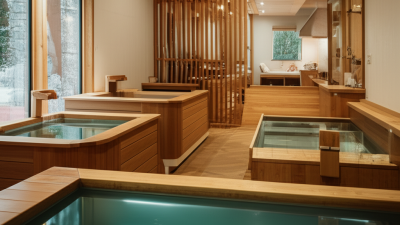
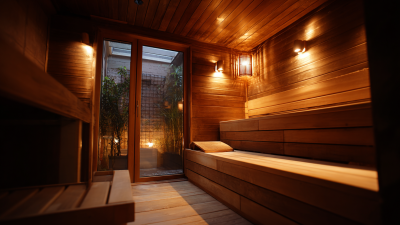
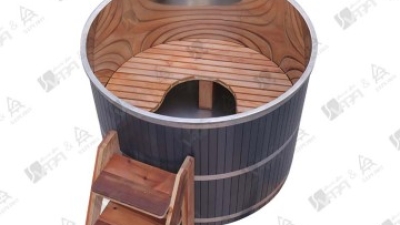
Wooden Cold Plunge Tubs combine a natural exterior with a cold-water bathing experience, making them an option for wellness brands, hospitality projects, spas, fitness facilities and product distributors. For commercial buyers, however, the appearance of a tub is only one part of the purchasing decision. Construction details, water containment, cooling-system compatibility, quality control and supplier support all influence whether a product fits the project.
Choosing a wooden cold plunge manufacturer requires more than comparing product photos or quoted prices. Buyers need to understand how the tub is constructed, what can be customized, which components are included and what documentation will be available before shipment.
Vapasauna offers Sauna And Cold Plunge equipment for different applications. This guide explains the practical questions that importers, distributors and commercial project buyers should ask when evaluating a wooden cold plunge supplier.
Define the Product Specification Before Requesting a Quote
A clear product specification helps manufacturers provide comparable quotations and reduces misunderstandings during production. Before contacting suppliers, buyers should establish the essential requirements for their wooden cold plunge project.
Start by documenting the intended installation environment, target user capacity, overall dimensions, exterior design and expected operating conditions. Indoor and outdoor applications may involve different requirements for weather exposure, ventilation, drainage, electrical installation and access for maintenance.
Buyers should also clarify the expected product configuration. For example, does the project require a standalone wooden tub, a model with an internal liner, or a complete system supplied with a water chiller and circulation components? These configurations can differ substantially in cost, installation requirements and service access.
A useful request for quotation should identify:
Required dimensions, shape and user capacity.
Proposed wooden exterior and internal water-containment design.
Chiller, circulation, filtration and plumbing requirements.
Cover, step, access-panel and other accessory requirements.
Destination market, installation environment and applicable documentation.
Quantity, customization expectations and target delivery schedule.
Vague requests such as “a premium wooden cold plunge” leave too much room for interpretation. A written specification gives buyers and manufacturers a shared reference point for evaluating feasibility, price and production requirements.
Evaluate the Complete Construction, Not Just the Visible Wood
The appearance of the timber is easy to assess in product photographs, but the underlying construction deserves closer attention. A commercial wooden cold plunge must function as an integrated assembly, with the exterior, supporting structure, water-containing components and fittings designed to work together.
Ask the manufacturer how the tub's structure is assembled, how joints are secured and how the design accommodates movement caused by changes in moisture and temperature. Wood naturally responds to its environment, so construction details and material preparation matter alongside the selected finish.
It is also important to clarify which components carry structural loads and which components retain the water. Some designs use a separate liner, while others may employ a different water-containment arrangement. Buyers should not assume that a wooden exterior alone explains how a particular model holds water.
Request drawings, cross-sectional details or product photographs that show the construction beyond the outer surface. Where applicable, ask how the design addresses joint sealing, drainage, access to fittings and inspection of concealed components.
When reviewing a wooden cold plunge product range, buyers should compare the complete construction concept rather than selecting a product solely because its wood grain or finish looks attractive.
Confirm the Liner and Water-Contact Design
For a commercial purchase, the water-contact design is a major specification item. If the wooden cold plunge uses an internal liner, buyers should identify its material, construction, dimensions, installation method and serviceability.
Ask whether the liner is supplied as part of the standard configuration or offered as an option. Confirm how the liner connects to the drain, inlet, outlet and circulation system, and whether those connections can be accessed for inspection or repair.
The material should also be suitable for the intended water conditions and cleaning procedures. Buyers should request the manufacturer's care instructions and applicable material documentation rather than assume that every liner or surface finish is compatible with every water-treatment method.
If a project requires a particular liner material, color, profile or fitting arrangement, clarify those requirements before production. A change to the internal structure may affect more than appearance; it can influence usable capacity, connection placement, installation and maintenance access.
Before approving a sample or production drawing, make sure the external dimensions, internal dimensions, seating arrangement, water connections and service clearances are clearly identified.
Check Cooling-System and Plumbing Compatibility
A wooden cold plunge may be sold as a tub alone or configured with a separate or integrated cooling system. Buyers should establish which components are included in the quotation and which must be sourced or installed separately.
Cooling performance depends on the selected equipment and operating conditions. Rather than relying on general statements such as “fast cooling” or “commercial grade,” ask the supplier for the specifications of the proposed chiller and the conditions under which any stated performance has been assessed.
Important items to confirm include:
Chiller type and rated specifications.
Circulation pump and filtration configuration, where included.
Water inlet and outlet positions.
Hose, pipe and connection requirements.
Electrical requirements and access for servicing.
Control interface and operating instructions.
Compatibility between the tub, chiller and other supplied components.
Buyers should also clarify who is responsible for installation and commissioning. A tub and a chiller may each be suitable individually but still require careful coordination to create a compatible complete system.
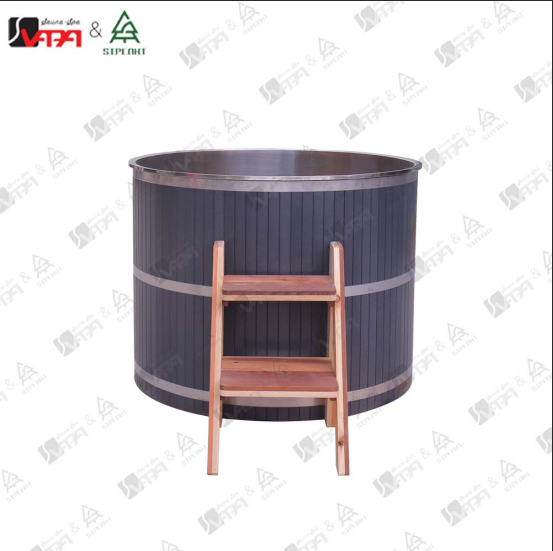
If the project does not require a wooden exterior, it may be useful to compare different construction approaches. Vapasauna's broader sauna and cold plunge range includes alternative configurations, such as the CT008 cold plunge listed with a PVC shell and stainless steel liner. This can help buyers compare the design and configuration requirements of different product types without assuming that one construction suits every project.
Request Clear Quality-Control and Product Documentation
Quality should be evaluated through specific requirements and supporting records rather than general claims. Before placing a commercial order, buyers should ask how the manufacturer checks materials, assembly, connections, finish and the completed product.
A project-specific quality checklist may cover:
Material inspection: confirmation of the specified materials, dimensions, visible defects and agreed finish.
Construction inspection: review of assembly quality, joints, fittings and workmanship.
Water-containment checks: confirmation of the inspection or testing procedure applicable to the selected design.
System checks: where a chiller or circulation system is supplied, confirmation of the agreed functional checks.
Final inspection: verification against the approved drawings, specifications and accessory list.
Packaging inspection: confirmation that the product is protected appropriately for the planned transport method.
The exact tests should match the product design. For example, water-containment checks may differ between a standalone tub and a complete system with additional plumbing and cooling components.
Ask for available product manuals, installation drawings, maintenance instructions, warranty terms and relevant compliance documentation for the destination market. If a particular certificate or test report is essential to the project, identify it before the order is confirmed and verify what the supplier can actually provide.
A written acceptance checklist also helps both parties resolve discrepancies before shipment, rather than discovering them after the product reaches its destination.
Define OEM/ODM Customization Before Production
Customization can help distributors and wellness brands develop a product that fits their market, but the scope should be agreed upon in detail. The term OEM/ODM alone does not specify which elements a manufacturer can change or what additional tooling, sampling and production steps may be needed.
Potential customization items include external dimensions, tub shape, seating arrangement, wood finish, liner configuration, cover design, steps, chiller integration, fittings, branding and retail packaging. Availability will depend on the manufacturer's design and production capabilities.
Before approving a custom order, request a drawing or specification sheet that identifies all agreed changes. Confirm which components are standard, which are optional and which require a new design or approval process.
It is also worth clarifying the following commercial details:
Minimum order quantity for the selected configuration.
Sample or prototype availability and associated costs.
Tooling or engineering charges, where applicable.
Approval process for drawings, finishes and samples.
Production lead time after final approval.
Procedures for handling approved changes and later repeat orders.
Buyers should avoid approving production based only on a verbal description or a general product photograph. A documented specification gives the manufacturer a clearer production reference and gives the buyer a more reliable basis for inspection.
For a broader view of available product configurations, buyers can review Vapasauna's sauna and cold plunge equipment range and discuss which existing design may best fit their project requirements.
Compare Suppliers by Delivery, Warranty and Long-Term Support
A suitable wooden cold plunge supplier should be evaluated not only on product appearance and purchase price but also on the information and support provided throughout the order.
Start by confirming what the price includes: the tub, liner, chiller, circulation components, cover, steps, accessories, packaging and documentation. Make sure optional components and excluded services are clearly identified so that quotations can be compared on the same basis.
Shipping preparation is another important consideration. Buyers should ask about protective packaging, loading arrangements, handling requirements and the documents needed for their destination market. For larger or customized products, it is also helpful to establish how visible transport damage, missing components or discrepancies will be reported and resolved.
Warranty and after-sales arrangements should be equally clear. Confirm the warranty scope, exclusions, available spare parts, technical support process and procedure for requesting replacement components. For commercial projects, ask how the supplier handles product questions after installation and whether manuals or installation guidance can be provided to the project team.
Vapasauna supplies sauna and cold plunge equipment for different project needs. Buyers evaluating a wooden cold plunge can use the manufacturer's product information as a starting point, then confirm the precise configuration, documentation and support required for their own order.
The best supplier is not necessarily the one offering the lowest initial quotation. It is the one whose product design, manufacturing process, customization options, documentation and support align with the project's requirements.
FAQS
: Evaluate construction details, water-containment design, cooling-system compatibility, quality-control procedures, customization options, documentation and after-sales support. Product appearance and quoted price should not be the only selection criteria.
Not every design uses the same water-containment arrangement. Buyers should confirm how the specific model holds water, which materials contact the water and how the construction can be inspected and serviced.
Some configurations can be paired with a separate or integrated cooling system. Buyers should confirm the exact components included, equipment specifications, plumbing connections and installation responsibilities before ordering.
Include dimensions, intended installation environment, capacity, construction and liner requirements, chiller specifications, accessories, customization needs, order quantity, destination market and required documentation.
Depending on the supplier's capabilities, customization may cover dimensions, shape, finish, seating, covers, accessories, liner arrangements, equipment integration, branding and packaging. Buyers should confirm the available options and costs in writing.
Agree on a specification and acceptance checklist in advance. Depending on the design, this may cover material inspection, assembly, fittings, water-containment checks, system operation, finish and packaging.
Clear warranty terms, available replacement components, technical documentation and support procedures make it easier to plan installation, respond to service issues and manage the product after delivery.
Compare equivalent specifications and confirm what is included in each quotation. Account for the tub structure, liner, cooling system, accessories, customization, packaging, documentation, warranty and delivery arrangements rather than comparing the initial price alone.
Conclusion
Selecting a wooden cold plunge manufacturer for a commercial project requires a structured evaluation of the complete product. Construction details, the water-containment design, cooling-system compatibility, quality checks, customization scope and after-sales support all deserve attention before an order is approved.
A written specification and an agreed inspection checklist help buyers compare manufacturers more objectively. They also reduce the risk of misunderstandings about what is included in the final product.
Vapasauna provides sauna and cold plunge equipment options for different applications. By reviewing actual product specifications and clarifying project requirements with the supplier, importers, distributors and wellness businesses can make more informed sourcing decisions.