Recovery has become an important part of many athletes' and wellness users' routines. Alongside training, sleep, hydration, and nutrition, cold-water immersion is often considered as one way to manage the post-exercise recovery experience.
A Cold Plunge Ice Barrel provides a dedicated space for cold-water immersion and can be used in home wellness areas, gyms, sports facilities, and other recovery-focused environments. Compared with simply using a container filled with ice, a purpose-designed cold plunge can make the overall setup easier to organize and maintain.
However, getting the most from a cold plunge is not simply about making the water colder or staying in it longer. Preparation, individual tolerance, timing, breathing, rewarming, and overall training goals all matter.
This guide explains how to approach a Cold Plunge Ice Barrel as part of a practical recovery routine while keeping the experience manageable and consistent.
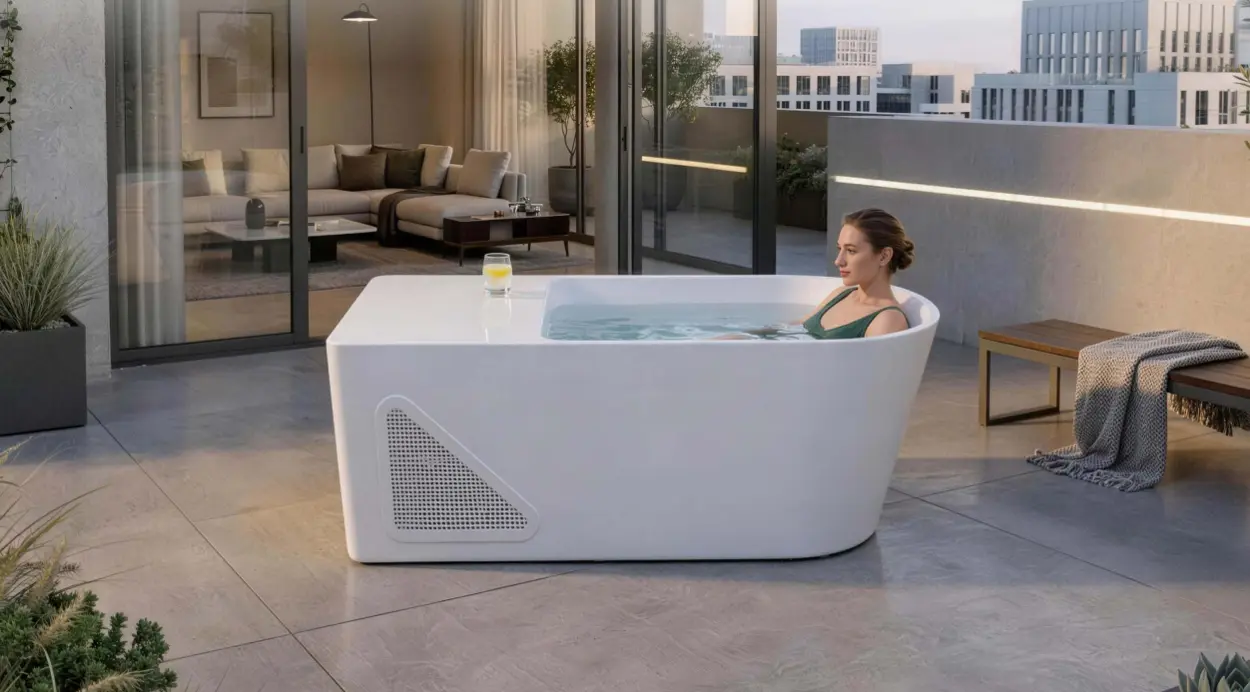
Understanding Cold Plunge Ice Barrels for Recovery
A Cold Plunge Ice Barrel is designed for cold-water immersion, giving users a dedicated environment for exposing the body to cold water as part of a recovery or wellness routine.
Cold plunges, also commonly referred to as an Ice Bath, have attracted attention among athletes and wellness users because cold exposure can influence how the body responds to strenuous activity. Some people use cold immersion to help manage the feeling of post-exercise soreness and to create a refreshing recovery experience.
The effects of cold exposure are not identical for everyone, and the appropriate approach depends on the individual, the type of training, and the purpose of the session.
It is also useful to distinguish short-term recovery preferences from long-term training goals. Cold immersion may be incorporated into some recovery routines, but it should not automatically be treated as essential after every workout.
For users exploring different cold-water formats, The Cold Plunge can also be considered as part of a broader cold-water wellness setup.
The key is to view a Cold Plunge Ice Barrel as one part of a larger recovery strategy rather than a replacement for fundamental recovery habits.
Preparing for a Cold Plunge Ice Barrel Session
Good preparation can make cold-water immersion easier to manage and more consistent.
Stay Hydrated
Hydration is an important part of exercise recovery in general. Drinking enough fluids throughout the day can help you approach cold exposure in a better overall condition.
Prepare Your Environment
Before entering The Cold Plunge Ice Barrel, make sure the surrounding area is safe, stable, and easy to access. Having a towel, dry clothing, and a comfortable place to warm up afterward can make the transition easier.
Consider Light Movement
Gentle mobility or light movement before the session may help you transition from training into your recovery routine. The goal is preparation rather than creating another demanding workout.
Know Your Individual Tolerance
Cold exposure can feel very different from person to person. New users should focus on becoming familiar with the experience rather than immediately attempting a more intense session.
A consistent and manageable routine is generally more practical than trying to tolerate increasingly extreme conditions simply for the sake of intensity.
Using a Cold Plunge Ice Barrel Safely and Comfortably
One of the most common mistakes with cold immersion is assuming that colder water or longer exposure automatically produces better results.
A more practical approach is to consider temperature, exposure duration, experience level, and overall physical condition together.
New users should allow themselves time to become familiar with the cold sensation. Rather than forcing a specific duration, pay attention to how your body responds and follow the operating guidance provided for the specific Cold Plunge System.
Breathing is another important part of the experience. The initial cold sensation can trigger rapid or uncomfortable breathing, so focusing on calm and controlled breathing can make the session easier to manage.
Users should also avoid turning every recovery session into a test of endurance. The objective is to support a sustainable routine, not to remain in uncomfortable conditions simply to achieve a longer time or lower temperature.
A Cold Plunge Ice Barrel should also be used according to its installation and operating instructions, with attention to water cleanliness, access, drainage, and the surrounding environment.
Fitting Cold Plunges into Different Training Routines
How a cold plunge fits into a training routine depends largely on the type and intensity of exercise.
After High-Intensity Training
After particularly demanding sessions, some athletes use cold immersion as part of their recovery process when post-exercise soreness or general fatigue is a concern.
During Endurance Training
Runners, cyclists, and other endurance athletes may consider cold-water immersion alongside other recovery practices such as hydration, nutrition, sleep, and active recovery.
Around Strength Training
Cold immersion may also be used by people involved in resistance training, but the timing should be considered in relation to their specific training objectives. Users focused on long-term strength or muscle development may choose to separate cold exposure from certain training sessions rather than applying it automatically after every workout.
For General Wellness
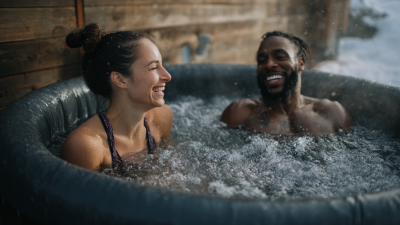
A Cold Plunge Ice Barrel does not have to be limited to professional athletes. Wellness users may incorporate cold-water exposure into their routines as a structured personal challenge or refreshing wellness practice.
The most important factor is consistency. The cold plunge should fit into the broader routine instead of becoming the only recovery strategy.
Breathwork, Rewarming and Aftercare
What happens before and after a cold plunge can be just as important as the immersion itself.
Focus on Calm Breathing
Controlled, steady breathing can help users stay more relaxed during the initial cold response. Rather than using complicated techniques, the emphasis can simply be on avoiding uncontrolled breath-holding or overly rapid breathing.
Rewarm Gradually
After leaving the Cold Plunge Ice Barrel, move into a comfortable environment and allow the body to warm naturally. Gentle movement can help you transition back to normal activity.
Replace Fluids
Continue normal hydration after the session, particularly when the cold plunge is part of a broader workout or recovery routine.
Support Recovery with Good Nutrition
Cold exposure should not replace the fundamentals of recovery. Adequate food, protein, carbohydrates, hydration, and sleep remain important components of a balanced training routine.
Observe Your Response
Pay attention to how you feel after each session. If the experience consistently leaves you unusually uncomfortable or fatigued, your routine may need to be adjusted.
The goal of aftercare is to return comfortably to normal activity and support the rest of the recovery process.
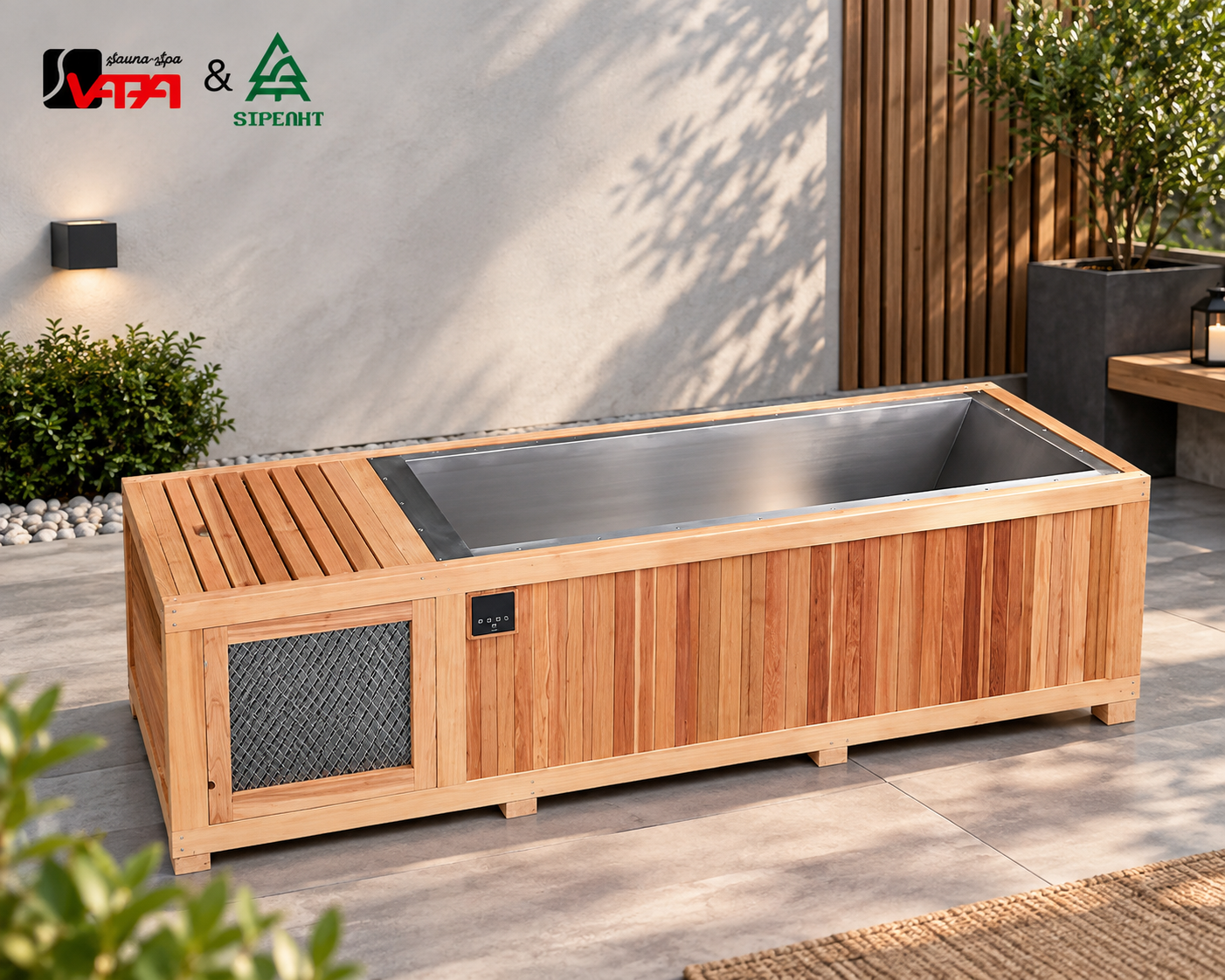
Choosing and Maintaining a Cold Plunge Ice Barrel for Long-Term Use
Choosing the right Cold Plunge Ice Barrel involves more than evaluating its appearance.
Size and User Capacity
Consider how much space is available and how the barrel will actually be used. A private home setup may have different requirements from a gym, sports facility, or commercial wellness space.
Material and Construction
The material should be suitable for repeated contact with cold water and regular cleaning. Buyers should also consider structural durability and the overall quality of the tub.
Water Management
A practical Cold Plunge Setup should make water cleaning, drainage, and routine maintenance manageable. Depending on the system, users may also need to consider filtration or temperature-control equipment.
Insulation and Temperature Control
For users who want more consistent temperature management, insulation and an integrated or compatible chiller can make the setup more convenient.
Cleaning and Maintenance
Regular cleaning and proper water care are essential for maintaining a hygienic cold-water environment. The exact maintenance procedure should follow the manufacturer's recommendations.
Installation and Everyday Access
The area around the Cold Plunge Ice Barrel should provide safe entry and exit, suitable drainage, and enough room for routine cleaning and servicing.
A well-designed setup can make cold-water immersion easier to maintain over the long term, which is especially important for users who intend to make it part of a regular recovery or wellness routine.
FAQS
: There is no single duration that applies to everyone. Your experience level, water temperature, physical condition, and purpose of the session all matter. Beginners should prioritize comfort and gradual adaptation rather than chasing a specific time.
Stay normally hydrated, prepare a safe environment, have dry clothing and a towel ready, and make sure you understand the operating instructions for your cold plunge.
No. Greater cold intensity does not automatically mean a better recovery experience. Temperature and exposure should be considered together with individual tolerance and training goals.
Not necessarily. Whether cold immersion fits your routine depends on the type of training and your recovery goals. It can be one option within a broader recovery strategy.
The initial cold response can cause rapid or uncomfortable breathing. Calm, controlled breathing can help make the experience more manageable.
Move to a comfortable environment, allow yourself to rewarm gradually, continue normal hydration, and return to your usual recovery routine.
Follow the manufacturer's guidance for cleaning and water care, keep the surrounding area clean, and regularly inspect the tub, drainage, filtration, and temperature-control components where applicable.
Yes. Cold plunge barrels can be used in suitable home wellness spaces as long as the installation area provides appropriate access, drainage, and operating conditions.
Conclusion
A Cold Plunge Ice Barrel can be a practical addition to a structured recovery or wellness routine. Its value is not simply about staying in extremely cold water for as long as possible. Preparation, individual tolerance, training goals, breathing, rewarming, and ongoing maintenance all contribute to a better overall experience.
For athletes, cold immersion can be considered alongside other recovery fundamentals such as sleep, hydration, nutrition, and appropriate training load. For general wellness users, it can provide a structured way to incorporate cold-water exposure into a personal routine.
Choosing a suitable Cold Plunge Ice Barrel also means considering size, construction, water management, temperature control, installation, and maintenance. A practical setup makes it easier to use the equipment consistently and integrate it into everyday wellness.
Vapasauna develops cold therapy and wellness equipment for different applications, supporting home, fitness, and commercial environments where cold-water solutions form part of a broader wellness concept.