- Home
- About Us
- Products
- News
- Certificates
- Download
- Contact Us
Leave Your Message
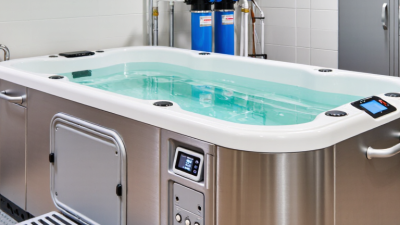
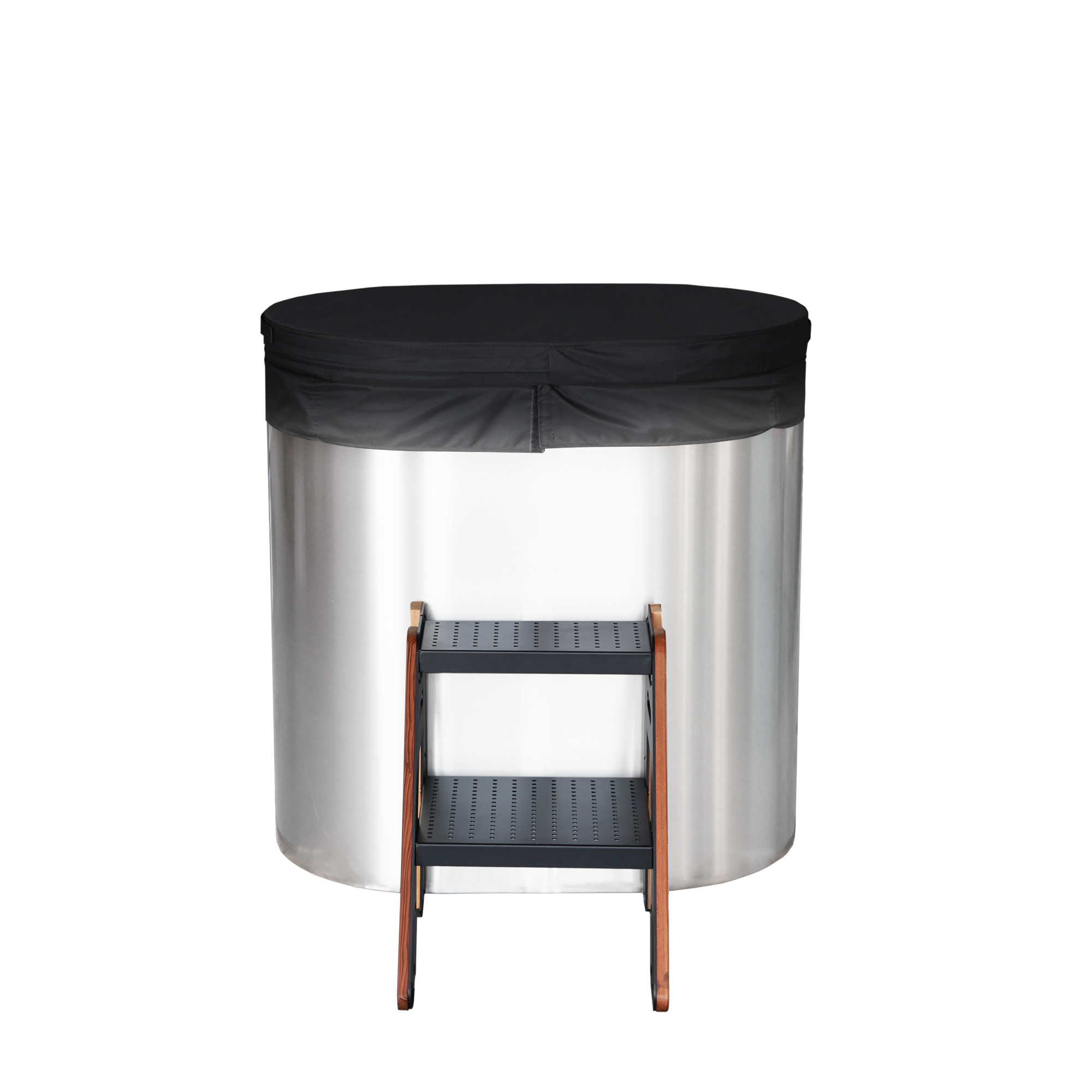
Picking gear for a busy recovery center isn't just about water temp and how it looks. This guide walks through how to choose a commercial Ice Bath Tub for gyms, sports clinics, hotels, and wellness spots. Daily demand changes everything, honestly. A tub used by six athletes needs different support from one serving sixty guests.
Take a close look at capacity, cooling speed, insulation, filtration, sanitation, drainage, and electrical protection. And before you order? Measure the floor area. Door widths matter too—yes, really. A gorgeous tub might not fit through the entrance. Can staff clean the tank quickly between users? Ask about replacement filters, compressor servicing, warranty coverage, and how fast they respond. Those details often decide what the thing really costs to run.
Wim Hof, a leading cold-exposure educator, says, “The cold is your teacher.” Useful, sure, but commercial buyers need more than a motivational quote. They need controlled temps, clear operating procedures, and reliable maintenance records. Whether you call it an Ice Bath Machine Ice Bath Cold Plunge or a commercial recovery tub, performance should stay stable during repeated sessions. Safety features deserve equal attention: insulated covers, non-slip access, emergency shutoff options, and guidance that users can actually follow. Water quality has to be managed consistently—a cooling system alone doesn't guarantee hygiene. Some assumptions may fail after installation. Electricity use can exceed estimates, and staff training may be overlooked. That’s why this guide compares practical evidence, supplier support, and long-term usability, not just promotional claims.
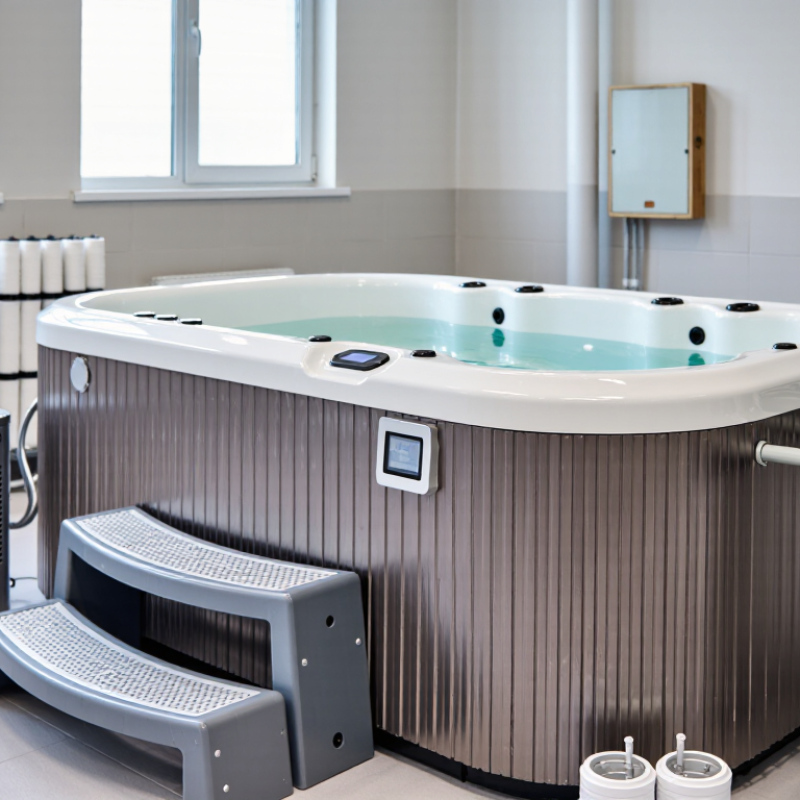
Before choosing a Commercial Ice Tub, define how your facility will use it each day. A private studio may need one user at a time. A training center may require several sessions within one hour. Capacity affects comfort, water volume, cooling time, and cleaning effort. Do not select a tub by footprint alone.
Calculate expected throughput from your booking schedule. For example, eight sessions across four hours means roughly two sessions per hour. Add time for entry, exit, inspection, and water treatment checks. A first estimate can be wrong. Leave practical space between sessions. Otherwise, one delayed appointment can affect the entire schedule. Consider peak days, not only average demand.
Daily session volume also influences durability and maintenance access.Check whether the Commercial Ice Tub supports frequent draining, filtration, temperature control, and surface cleaning. The surrounding floor should handle splashes and provide safe drainage. Staff should reach filters, pumps, and controls without moving the tub. Ask for documented operating limits, cleaning instructions, warranty terms, and replacement-part availability. Test the workflow with empty bookings before opening.A beautiful setup may still fail during a busy afternoon.
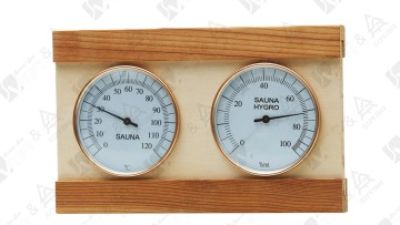
As wellness routines move further into the home, sauna use is becoming more closely connected with safety, comfort, and measurable health habits. Recent consumer and market research reports indicate growing interest in personalized wellness technology, along with continued expansion of the home sauna sector. This trend highlights the need for equipment that does more than display temperature. A modern sauna monitor can help users observe heat and humidity levels, identify sudden changes, and create a clearer understanding of their indoor environment.
Designed for practical daily use, the monitor supports a more controlled sauna experience through real-time readings and timely alerts. By making key conditions easier to see, it can help users adjust sessions according to personal comfort, room performance, and established safety practices. Its compact format also suits private wellness spaces where simple operation and clear information are important. As consumers increasingly seek connected tools that support preventive care and informed routines, sauna monitoring technology is becoming a valuable part of responsible home wellness design.
Review bookings, peak days, and expected sessions per hour. Eight sessions across four hours means about two sessions hourly. Allow time for entry, exit, inspection, and water checks. One delayed appointment can disrupt the schedule.
Capacity affects user comfort, water volume, cooling time, and cleaning effort. A compact footprint can still require substantial maintenance space. Do not judge capacity by appearance alone.
Adjustable controls from 10–15°C provide a useful operating range. A stable 12°C may be more practical than a brief 8°C reading. Measure temperature near the user entry point. The lowest display number is not enough.
Use an independent thermometer during commissioning. Record water temperature before and after repeated sessions. Check recovery time between users. Displays can mislead.
Look for filtration, controlled circulation, and measurable water-quality procedures. Ozone or UV may support treatment, but neither replaces routine cleaning. Ask about filter access, service intervals, and water replacement schedules. Clear water is not proof of clean water.
Request the documented circulation rate and system volume. Then estimate how long the stated water volume takes to circulate. Compare that result with expected user volume and cleaning routines. Flow matters most.
Staff should reach filters, pumps, drains, and controls without moving the tub. Check whether parts can be inspected quickly between sessions. Confirm replacement-part availability and documented service instructions. A beautiful setup may still fail on a busy afternoon.
The surrounding floor should resist splashes and provide reliable drainage. Staff need safe access during cleaning and water treatment checks. Test the full workflow with empty bookings before opening. My initial assumptions may be wrong.
How To Choose A Commercial Ice Bath Tub begins with understanding your facility’s needs. Assess the expected number of users, tub capacity, peak-time throughput, and daily session volume before comparing models. Establish a suitable operating range, commonly around 10–15°C, and select a cooling system capable of maintaining that temperature under real heat loads. Chiller performance should match the water volume, room conditions, and frequency of use rather than relying only on advertised cooling speed.
Hygiene and safety are equally important for commercial operation. Compare filtration, ozone, UV treatment, and water turnover rates to determine how effectively each system supports clean, consistently maintained water. Also verify electrical protection, reliable drainage, slip-resistant surfaces, and practical access for cleaning and servicing. Finally, calculate total ownership cost, including the purchase price, energy consumption, routine maintenance, replacement components, and any ongoing ice requirements. A well-balanced choice should deliver dependable temperature control, efficient daily operation, straightforward maintenance, and a safe experience for every user.